



What's Happening?
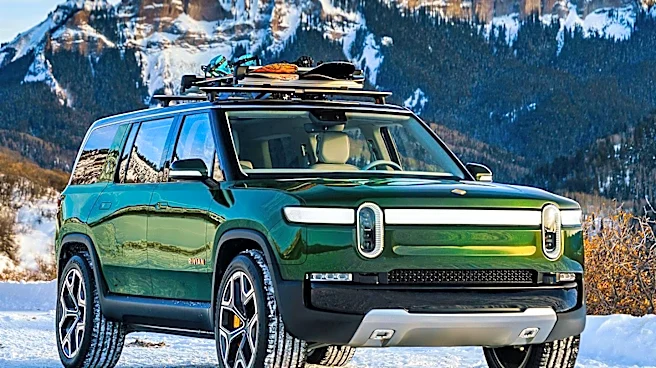
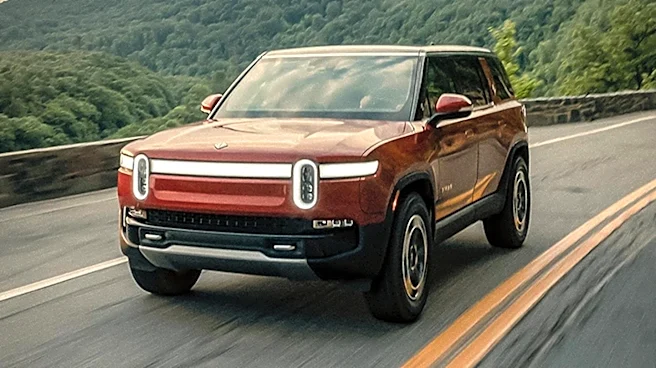
Rivian Automotive is recalling approximately 98,828 trucks and SUVs from model years 2022 through 2027. This recall addresses a software problem that can impact the visibility of the rearview camera. Specifically, a safety alert prompt on the center display
may overlap the rearview camera image when the vehicle is in reverse, particularly if stability control was previously turned off and the vehicle was restarted. The affected models include certain 2022-2026 R1T trucks, 2022-2027 R1S SUVs, and 2027 R2 SUVs. Rivian has stated that a software update to resolve this issue is available for free and can be installed over-the-air by vehicle owners. The company estimates that over 95% of the affected vehicles have already received this update. Rivian has not reported any customer complaints, accidents, injuries, or fatalities related to this specific problem.
Why It's Important?
This recall highlights the increasing reliance on software in modern vehicles and the potential safety implications when software malfunctions. Rearview cameras are a critical safety feature, mandated by federal regulations to prevent back-over accidents. An obstructed rearview image, even in rare instances, could compromise driver visibility and increase the risk of collisions, particularly in parking lots or residential areas. For Rivian, a relatively new player in the electric vehicle market, managing such recalls efficiently is crucial for maintaining consumer trust and brand reputation. While the issue is software-based and easily resolved via over-the-air updates, it underscores the ongoing challenges and responsibilities automotive manufacturers face in ensuring the reliability and safety of complex vehicle systems. The high rate of successful updates indicates effective communication and a proactive approach by Rivian to address the concern.
What's Next?
Rivian is encouraging all owners of the affected vehicles to install the latest available software update over-the-air if they have not already done so. This software patch is designed to prevent the safety alert from obscuring the rearview camera display. Owners with questions or concerns about the recall can contact Rivian Service Support directly. The U.S. National Highway Traffic Safety Administration (NHTSA) will continue to monitor the recall process to ensure compliance and that all affected vehicles receive the necessary update. Future developments will likely focus on the completion rate of these software updates and any further communications from Rivian or regulatory bodies regarding vehicle safety and software integrity.
Beyond the Headlines
This incident underscores a broader trend in the automotive industry: the shift towards 'software-defined vehicles.' While over-the-air updates offer convenience and rapid deployment of fixes, they also introduce new complexities in vehicle safety and regulatory oversight. The ability to remotely update vehicle software can prevent costly physical recalls, but it also places a greater burden on manufacturers to rigorously test and validate software before deployment. This recall also touches upon the evolving nature of vehicle safety standards, which must adapt to incorporate advanced driver-assistance systems and digital interfaces. The seamless integration of software and hardware, along with robust cybersecurity measures, will be paramount for the future of autonomous and connected vehicles, influencing consumer perception and regulatory frameworks.