





What's Happening?
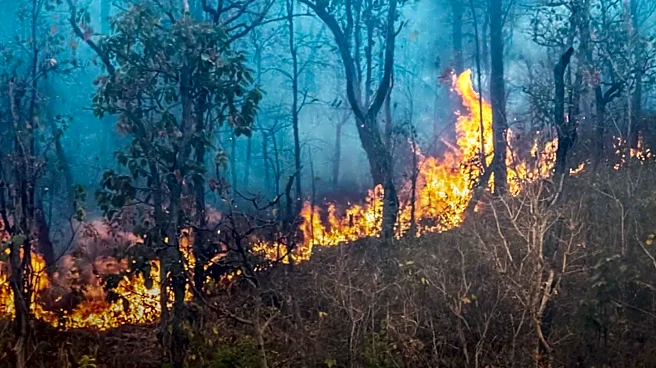
In response to the Gold Mountain Fire threatening the Uncompahgre National Forest in Colorado, biologists from Colorado Parks and Wildlife undertook a mission to save the last known population of the Uncompahgre cutthroat trout. The fire, which began
on June 27, 2026, spread rapidly, endangering the habitat of this rare fish species. Eric Gardunio, an aquatic biologist, led a team to Nate Creek, where they successfully rescued 103 trout using electrofishing techniques. The fish were then transported to a quarantined hatchery, ensuring their survival amidst the ongoing wildfire. This effort was crucial as the Uncompahgre cutthroat trout is a unique genetic variant, only found in this specific region.
Why It's Important?
The rescue of the Uncompahgre cutthroat trout is significant for biodiversity conservation, as this fish represents a unique genetic lineage within the cutthroat trout species. The operation highlights the challenges faced by wildlife conservationists in protecting endangered species from natural disasters exacerbated by climate change. The successful rescue ensures the preservation of genetic diversity, which is vital for the resilience and adaptability of species. This event underscores the importance of coordinated efforts between wildlife agencies and firefighting teams to mitigate the impact of wildfires on vulnerable ecosystems.
What's Next?
Following the rescue, the biologists will monitor the ecosystem around Nate Creek to assess the impact of the fire and subsequent floods on the remaining fish population. If the natural habitat is deemed unsuitable for the trout's survival, the rescued population will serve as a brood stock to repopulate the area once conditions improve. This proactive approach ensures that the Uncompahgre cutthroat trout can be reintroduced to their native habitat, maintaining ecological balance and supporting conservation goals.
Beyond the Headlines
This rescue operation highlights the broader implications of climate change on wildlife conservation. As wildfires become more frequent and intense, the need for rapid response strategies to protect endangered species becomes increasingly critical. The collaboration between biologists and firefighting teams serves as a model for future conservation efforts, emphasizing the importance of preserving genetic diversity and ecological integrity in the face of environmental challenges.