








What's Happening?
Four members of the U.S. House of Representatives, including Stephen F. Lynch and John Moolenaar, are serving as commissioners on the Adams Memorial Commission. These bipartisan representatives are advocating for the creation of a permanent memorial in Washington
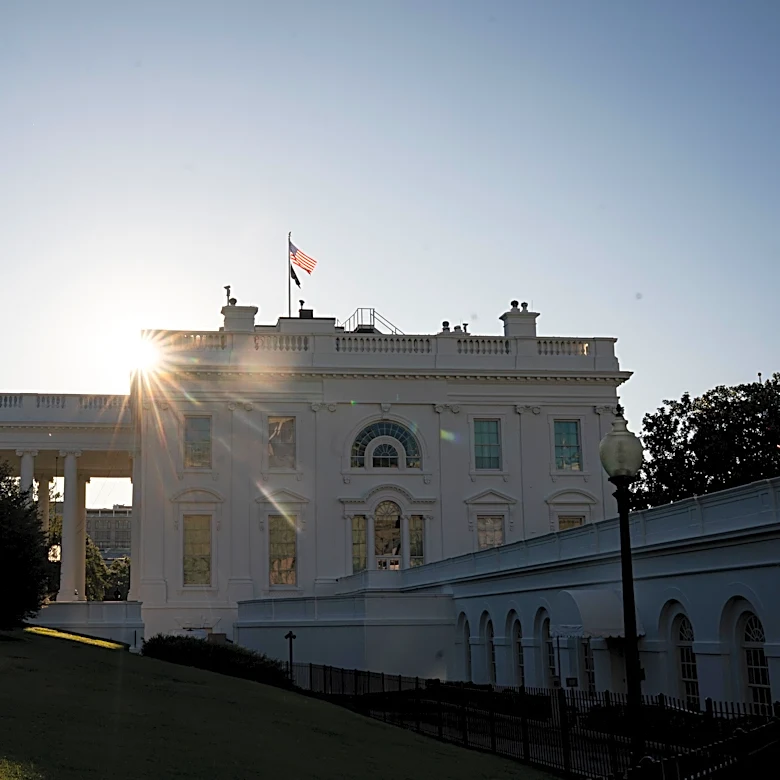
D.C. to honor the Adams family, specifically President John Adams, Abigail Adams, and President John Quincy Adams. The commission highlights the Adams family's significant contributions to the founding, development, and preservation of the United States. John Adams was a key figure in American independence and the second president, while Abigail Adams was a crucial advisor and chronicler of the era. Their son, John Quincy Adams, served as the sixth president and later as a fierce opponent of slavery in the House. The proposed memorial aims to recognize their collective public service and influence, which extended across generations. The current proposal envisions the memorial being located near the White House, where John and Abigail Adams were the first residents in 1800.
Why It's Important?
The bipartisan effort to establish the Adams Memorial underscores a rare instance of unity between Democrats and Republicans in Congress, focusing on a shared appreciation for American history. This initiative is particularly significant as Americans commemorate the 250th anniversary of independence, providing an opportunity to reflect on the foundational figures of the nation. The memorial would not only honor individual achievements but also tell the story of an American family's enduring commitment to public service, transcending political divides. It serves as a reminder of what can unite the country amidst contemporary disagreements. Recognizing the Adams family's contributions, from John Adams' role in securing independence to Abigail Adams' advocacy and John Quincy Adams' fight against slavery, highlights diverse aspects of American heritage. The project aims to fill a notable omission in Washington D.C.'s memorial landscape, which currently lacks a dedicated tribute to this influential family.
What's Next?
The next step for the Adams Memorial is for the Senate to pass the Adams Memorial-Great American Heroes Act. This legislative action is crucial to making the memorial a reality. If passed, the act would pave the way for the establishment of the memorial, likely near the White House, as envisioned by the commission. The bipartisan support already demonstrated in the House suggests a potential for similar cooperation in the Senate. The successful passage of this act would signify a collective commitment from both legislative chambers to honor historical figures who shaped the nation. Following legislative approval, the commission would likely proceed with the design, funding, and construction phases of the memorial, engaging with various stakeholders to bring the vision to fruition.
Beyond the Headlines
Beyond the immediate goal of erecting a memorial, this initiative carries deeper implications for national identity and historical remembrance. In an era often characterized by political polarization, the Adams Memorial project offers a narrative of continuity and shared values rooted in the nation's founding. It emphasizes the concept of intergenerational public service, showcasing how a single family contributed significantly over decades. The focus on the Adams family, including Abigail Adams, also highlights the often-overlooked contributions of women in early American history, challenging traditional narratives that primarily center on male figures. This memorial could serve as a powerful symbol of national unity and historical appreciation, encouraging a more nuanced understanding of American heritage and the complex interplay of family, public duty, and national development. It also sets a precedent for future bipartisan efforts in commemorating historical legacies.