


What's Happening?
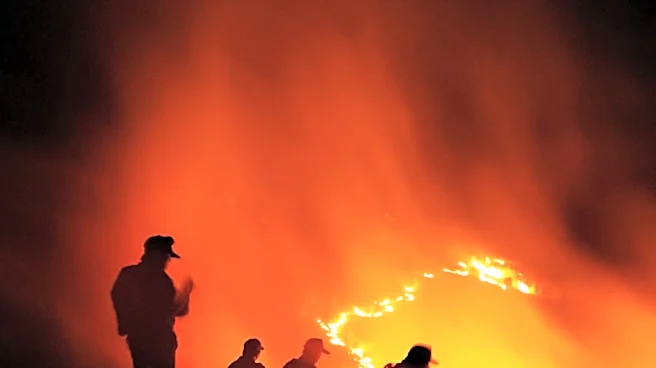
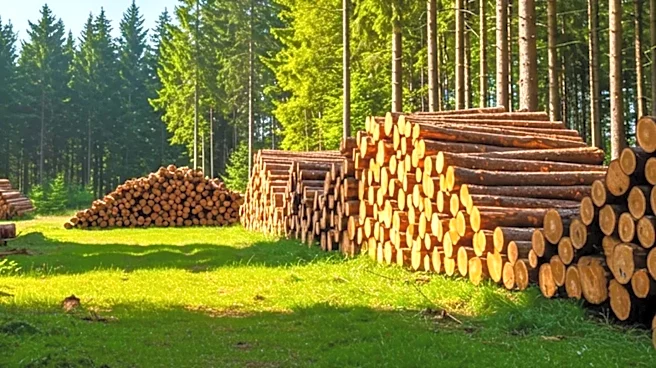
The Rio Grande National Forest has announced plans for fall and winter slash pile burns, which are expected to continue from November through February, conditions permitting. Fire crews will be burning numerous piles of woody debris resulting from timber
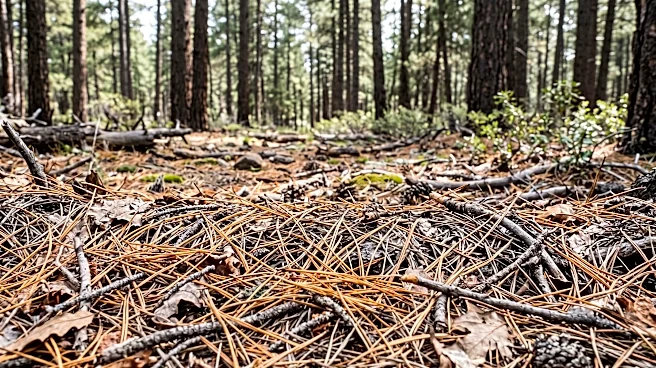
sale and thinning projects across the forest. These planned burns are a critical component of the forest's strategy to remove excess vegetation and mitigate the risk of wildfires. Specific areas targeted for these burns include the Saguache Ranger District (Horse Camp, Watchtower, Lower Park, Spruce Stewardship 1, and Spruce Stewardship 2 timber sale piles), the Divide Ranger District (East Race, Weast Race timber sale piles, and River Hill Hand Piles), and the Conejos Peak Ranger District (Mix Lake, Rito Hondo Hand Piles, Red Mountain, and Rhodes Gulch timber sale piles).
Why It's Important?
These controlled burns are essential for the long-term health and safety of the Rio Grande National Forest and surrounding communities. By reducing the accumulation of woody debris, the Forest Service aims to decrease the intensity and spread of potential wildfires, which can be devastating to ecosystems, infrastructure, and human lives. Wildfires can lead to significant economic losses, including damage to timber resources, recreational areas, and private property. Furthermore, large wildfires contribute to air pollution and can have lasting impacts on water quality and wildlife habitats. The proactive management of forest fuels through prescribed burns helps maintain ecological balance, promotes forest regeneration, and protects the natural resources that are vital to the region's environmental and economic well-being.
What's Next?
Pile burning will commence when optimal conditions are met, primarily sufficient snow cover or wet conditions, to ensure controlled ignition and prevent fire spread. Once initiated, burning will continue daily as long as conditions remain favorable or until projects are completed. The Rio Grande National Forest will post updates on their Facebook page regarding specific slash pile areas and planned burn dates, often on the same day as ignition. Localized smoke may be visible in adjacent areas for several days. The Forest Service will work closely with air quality specialists and monitor smoke during these prescribed fires, advising the public to consult fire.airnow.gov for current air quality information and colorado.gov/pacific/cdphe/wood-smoke-and-health for health-related concerns.
Beyond the Headlines
The practice of prescribed burning reflects a broader shift in forest management strategies, moving from strict fire suppression to a more integrated approach that recognizes fire as a natural and necessary ecological process. This strategy acknowledges that preventing all fires can lead to an unnatural buildup of fuels, resulting in more catastrophic wildfires when they do occur. The Forest Service's efforts highlight the complex challenges of managing vast public lands, balancing ecological needs with public safety and resource protection. These burns also serve as a reminder of the interconnectedness of natural systems and human communities, where decisions made in forest management can have far-reaching implications for air quality, water resources, and local economies.