

What's Happening?
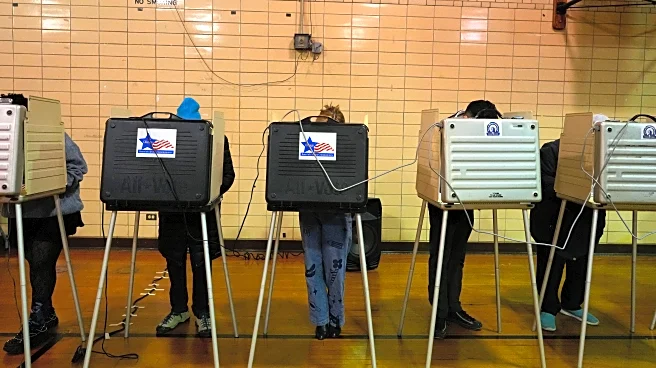
The Department of Justice has disclosed plans to share voter registration data with the Department of Homeland Security to verify citizenship through the SAVE system. This announcement came during a court hearing in Rhode Island, where the DOJ has sued
multiple states for rejecting its request for sensitive voter data. The SAVE system, revamped by the Trump administration, aims to identify noncitizens on voter rolls but has inaccurately flagged U.S. citizens, raising concerns about potential disenfranchisement. Voting rights advocates argue that this move undermines states' constitutional authority to manage elections.
Why It's Important?
The sharing of voter data with Homeland Security could lead to significant privacy violations and disenfranchisement of eligible voters, particularly if inaccuracies in the SAVE system persist. This initiative may shift control over voter roll maintenance from states to federal authorities, challenging the decentralized nature of U.S. elections. The potential for disenfranchisement could disproportionately affect minority communities and those with less access to documentation, altering voter demographics and impacting election outcomes.
What's Next?
The Justice Department's plan may face legal challenges from states and civil rights organizations concerned about privacy and voter rights. Public scrutiny and pressure could lead to revisions or halts in the data-sharing initiative. The ongoing debate over federal versus state control of elections is likely to continue, with potential legislative or judicial interventions to address privacy and constitutional concerns.