






What's Happening?
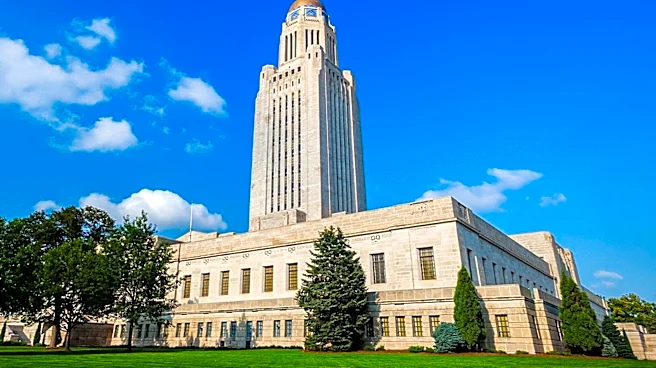
The Nebraska Supreme Court has upheld voter-approved medical cannabis laws, rejecting a challenge initiated by former state Senator John Kuehne and Nebraska Secretary of State Bob Evnen. The challenge contested two petitions approved by voters in the
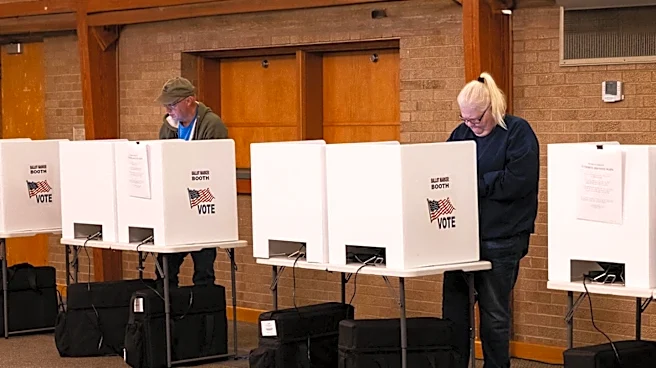
November 2024 general election. The state's highest court determined that the petitions contained a sufficient number of valid signatures to stand. In 2024, approximately 70% of Nebraska voters cast ballots in favor of medical cannabis initiatives. Despite this significant public support, these initiatives have not yet been enacted into state law. Dominic Gillen, a Bellevue resident whose family has advocated for medical cannabis since 2013, views the ruling as a victory but emphasizes that the struggle is ongoing. His family believes cannabis could be a viable treatment for his 24-year-old son, Will, who experiences intractable seizures and is nonverbal. Gillen stressed the continued need for public pressure on lawmakers and elected officials to implement the will of the people.
Why It's Important?
This ruling by the Nebraska Supreme Court is a significant development for medical cannabis advocates and patients in the state. It reaffirms the democratic process and the power of voter initiatives in shaping state law, particularly on contentious issues like cannabis legalization. The overwhelming 70% voter approval in 2024 indicates strong public sentiment in favor of medical cannabis, suggesting a disconnect between public will and legislative action. The court's decision removes a major legal hurdle, potentially paving the way for the enactment of these laws. For families like the Gillens, who have been fighting for access to medical cannabis for over a decade, this decision offers renewed hope for potential treatment options. However, the ongoing resistance from certain officials highlights the persistent political challenges in translating voter mandates into practical policy, underscoring the need for continued advocacy to ensure the laws are fully implemented.
What's Next?
Following the Nebraska Supreme Court's decision, the immediate next step involves continued pressure on state lawmakers and elected officials to enact the voter-approved medical cannabis initiatives. While the legal challenge has been overcome, the initiatives still require legislative action to become fully operational. Advocates, including individuals like Dominic Gillen, are expected to intensify their efforts to lobby state representatives and senators to implement the will of the people as expressed in the 2024 election. There may be further legislative debates or proposals introduced to establish the regulatory framework for medical cannabis. The ruling could also embolden other states considering similar voter-led initiatives on cannabis reform, providing a precedent for the legal robustness of such measures. The focus will now shift from the judicial branch to the legislative branch to see how quickly and comprehensively these laws are put into effect.
Beyond the Headlines
The Nebraska Supreme Court's decision extends beyond the immediate issue of medical cannabis, touching upon broader themes of direct democracy and the separation of powers. It underscores the judiciary's role in safeguarding voter-approved measures against challenges from other branches of government, reinforcing the principle that the will of the people, when expressed through legal channels, must be respected. This case highlights the ongoing tension between public opinion and legislative inertia, particularly on social issues where there may be strong political or ideological opposition despite widespread popular support. The prolonged battle for medical cannabis in Nebraska, even after significant voter approval, illustrates the complex and often protracted process of policy implementation in a democratic system. It also raises questions about the responsiveness of elected officials to their constituents' mandates and the mechanisms available to citizens when legislative bodies appear reluctant to act on clear public directives.