





What's Happening?
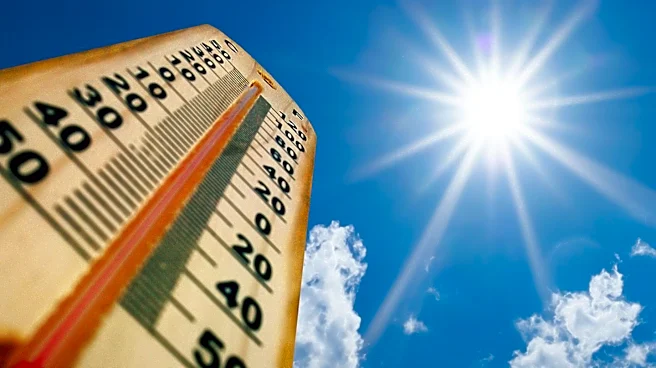
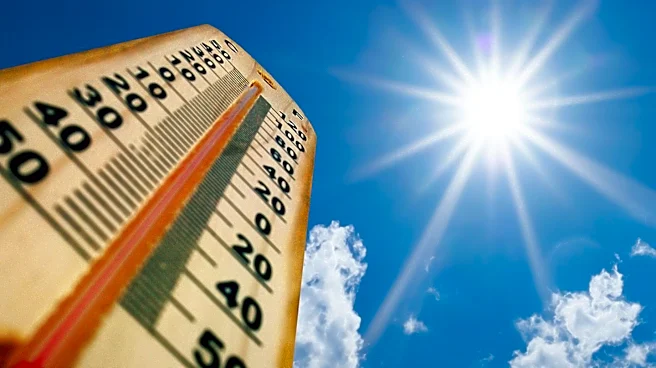
The U.K. and France are preparing for their fifth heat wave of the season, with temperatures expected to reach 40°C in southeastern France and 36°C in England. This follows a series of extreme heat events across Europe since May, contributing to wildfires,
droughts, and record temperatures. The heat has led to thousands of projected heat-related deaths and significant impacts on health services. The year 2026 is on track to potentially become the hottest year on record, driven by human-caused global warming and a strong El Nino effect.
Why It's Important?
The recurring heat waves highlight the growing impact of climate change on global weather patterns. The extreme temperatures pose significant health risks, particularly to vulnerable populations, and strain public health systems. The situation underscores the urgent need for climate adaptation and mitigation strategies to address the increasing frequency and intensity of such events. The economic impact is also notable, with potential disruptions to agriculture, energy supply, and infrastructure.
What's Next?
Authorities in the U.K. and France are likely to implement heat health alerts and emergency measures to protect public health. The ongoing heat waves may prompt further discussions on climate policy and the need for international cooperation to address climate change. As the year progresses, monitoring of temperature records and climate patterns will continue, with potential implications for future climate action and policy decisions.