



What's Happening?
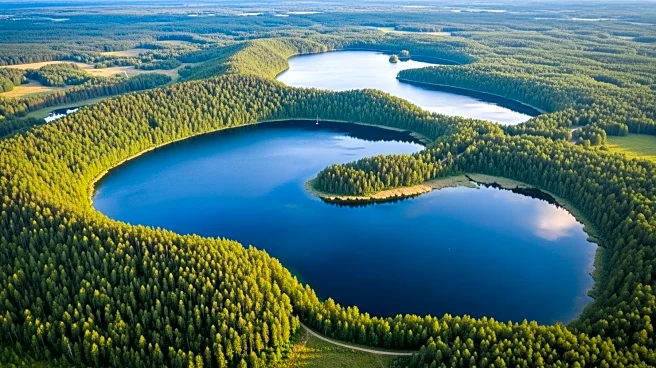
Esker kettle lakes, known for their unique biodiversity and ecosystem services, are under increasing pressure from human activities. These lakes, formed by glacial retreat, are typically isolated and have high dissolved oxygen levels, making them ideal
habitats for species with high oxygen requirements. However, the introduction of fish, both legally and illegally, is altering these ecosystems. Fish introductions can disrupt aquatic food webs, affecting waterbird and macroinvertebrate communities. Additionally, rising demands for forest products and mineral extraction are impacting the surrounding esker forests, further threatening lake biodiversity. Clearcutting and other forest disturbances increase nutrient inputs into the lakes, leading to potential declines in water quality. The study highlights the need for conservation strategies to manage these pressures and protect the unique ecosystems of esker kettle lakes.
Why It's Important?
The conservation of esker kettle lakes is crucial due to their role as biodiversity hotspots and providers of essential ecosystem services like drinking water and recreation. The introduction of fish and forest disturbances pose significant threats to these ecosystems, potentially leading to long-term ecological degradation. Protecting these lakes is vital for maintaining biodiversity and the ecological balance in the region. The study underscores the importance of developing adaptive management strategies to mitigate human impacts and preserve these unique natural resources. Failure to address these issues could result in the loss of biodiversity and ecosystem services, affecting local communities and the broader environment.
What's Next?
Future conservation efforts will likely focus on regulating fish introductions and managing forest disturbances to protect esker kettle lakes. Stakeholders, including local communities, conservationists, and policymakers, may collaborate to develop sustainable management practices. Monitoring and research will be essential to understand the ecological impacts of human activities and to inform conservation strategies. Efforts to raise awareness about the ecological value of esker lakes could also play a role in garnering support for conservation initiatives. The study's findings may prompt further research into the impacts of human activities on similar isolated ecosystems.