





What's Happening?
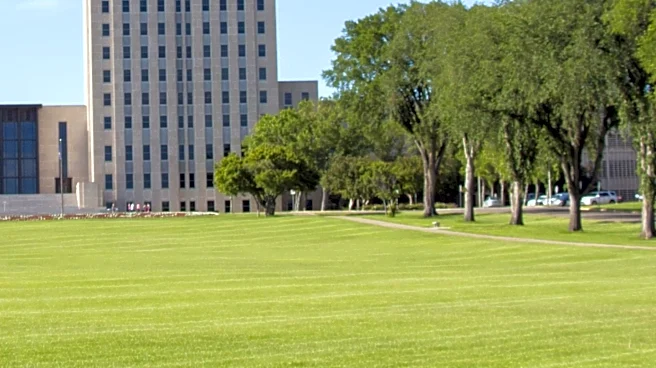
The 2026 UAS Summit & Expo in Grand Forks, North Dakota, highlighted a significant surge in anti-drone defense technology, with five out of six startups presenting at Pitch Day focusing on counter-UAS solutions. This trend reflects a booming market, projected
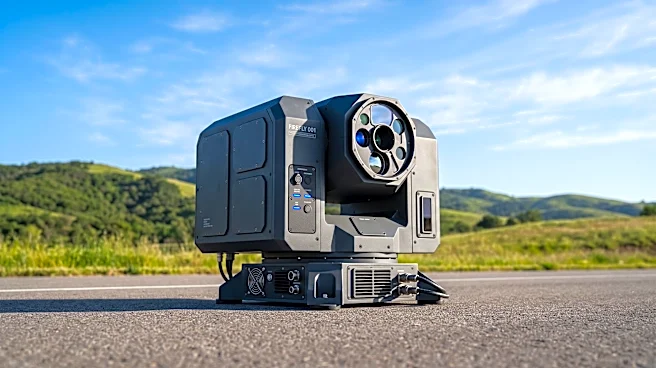
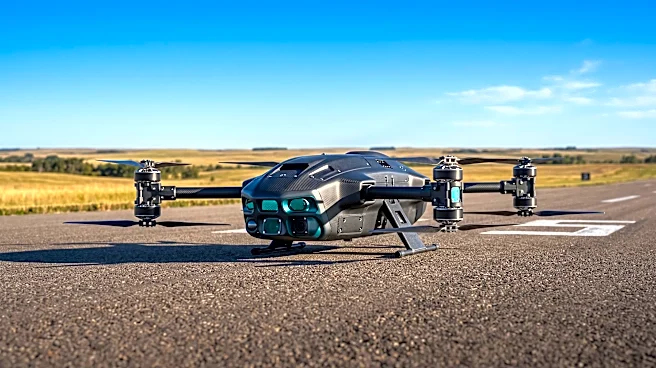
to reach $8.8 billion in 2026 and over $31 billion by 2032, driven by increased U.S. military spending, unauthorized drone activity near critical infrastructure, and criminal use of drones. North Dakota has invested over $79 million in UAS innovation, fostering a robust ecosystem with talent from the University of North Dakota (UND) and public-private partnerships like GrandSKY. Companies like KAZE Drones are developing interceptor drones, aiming to reduce manufacturing costs significantly compared to current American-made alternatives. Other firms, such as Ironaxe Corporation, ATP Gov, Bandelier Technologies, Zing Drone Solutions, and Vigilant Aerospace Systems, showcased diverse solutions ranging from multi-domain counter-UAS platforms to passive drone detection and detect-and-avoid systems.
Why It's Important?
The dominance of anti-drone technology signifies a critical shift in the unmanned aerial systems industry, addressing growing security concerns at national and local levels. The rapid expansion of this market segment is vital for national defense, protecting critical infrastructure, and enhancing public safety against malicious drone use. The focus on domestic manufacturing, as emphasized by companies like KAZE Drones, is crucial for reducing supply chain vulnerabilities and complying with regulations like the National Defense Authorization Act (NDAA). North Dakota's strategic investments and established ecosystem position it as a key hub for this emerging sector, potentially driving economic growth and technological innovation within the state. The development of cost-effective, domestically produced counter-UAS solutions could also provide a significant advantage for U.S. military and law enforcement agencies.
What's Next?
The showcased startups will likely seek further investment and partnerships to scale their production and deploy their technologies. Increased demand from armed forces and homeland security agencies is expected to drive continued innovation and market growth. North Dakota's UAS ecosystem, including UND and GrandSKY, will likely continue to attract and foster new companies in this sector, solidifying its role as a leader in anti-drone technology. Future summits and expos will likely feature even more advanced counter-UAS solutions as the market matures and threats evolve. Collaboration between government, academia, and private industry will be essential for developing comprehensive and effective defense strategies against drone threats.
Beyond the Headlines
The rise of anti-drone technology has broader implications beyond immediate security. It highlights the dual-use nature of drone technology, where advancements for beneficial purposes can also be exploited for malicious ones, necessitating a robust defense. This sector also raises ethical and legal questions regarding the use of counter-UAS measures, including potential collateral damage and privacy concerns. The emphasis on domestic manufacturing could lead to a resurgence in specialized high-tech manufacturing jobs within the U.S., reducing reliance on foreign supply chains. Furthermore, the development of sophisticated detection and interdiction systems could set new standards for airspace security, impacting regulations and operational procedures for both commercial and recreational drone use in the future.