
What's Happening?
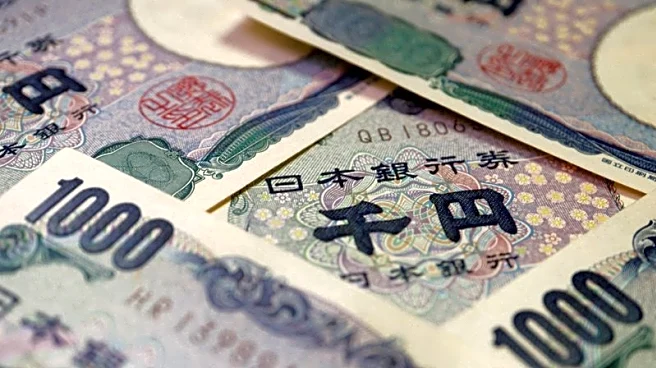
The Japanese yen has experienced a decline following reports that Prime Minister Takaichi expressed concerns to Bank of Japan (BOJ) Governor Ueda regarding potential rate hikes. The meeting between Takaichi and Ueda, which lasted less than 20 minutes,
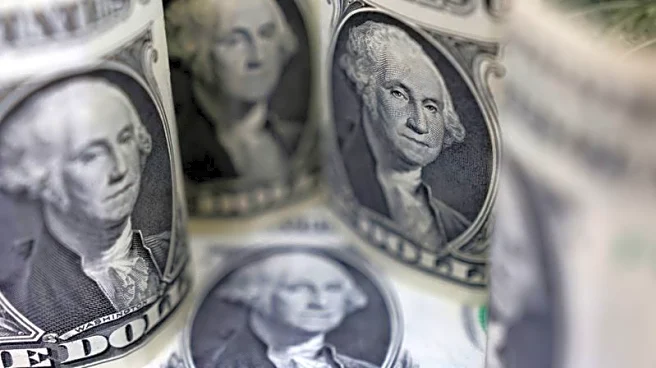
was initially not disclosed to have included such discussions. However, sources have revealed that Takaichi conveyed her reluctance towards further rate hikes, placing the BOJ in a challenging position due to its relationship with the prime minister. This development has led to a rise in the USD/JPY exchange rate, with the pair climbing to 155.80-90 levels, as buyers aim to surpass the 156.00 mark.
Why It's Important?
The concerns raised by Prime Minister Takaichi highlight the delicate balance the BOJ must maintain between monetary policy and political considerations. The potential rate hikes are significant as they could impact Japan's economic recovery and influence global financial markets. The yen's decline against the dollar could affect international trade dynamics, particularly for U.S. businesses engaged with Japan. Additionally, the situation underscores the influence of political figures on central bank decisions, which can lead to market volatility and uncertainty.
What's Next?
The BOJ may face increased pressure to reconsider its monetary policy approach, balancing economic needs with political expectations. Market participants will closely monitor any official statements from the BOJ or the Japanese government for further insights into potential policy shifts. The finance ministry's potential intervention to stabilize the yen could also play a crucial role in the currency's future movements. Stakeholders, including investors and businesses, will need to stay vigilant to adapt to any changes in the economic landscape.