



What's Happening?
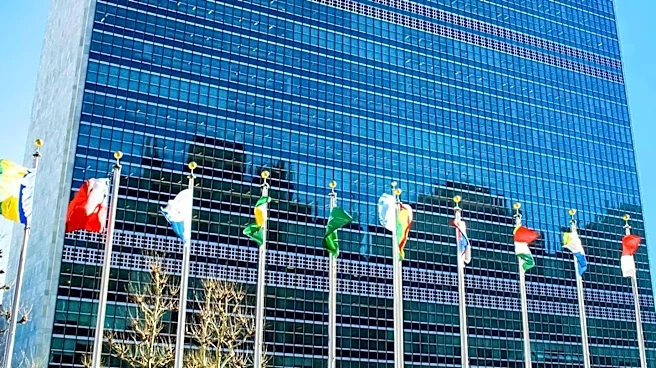
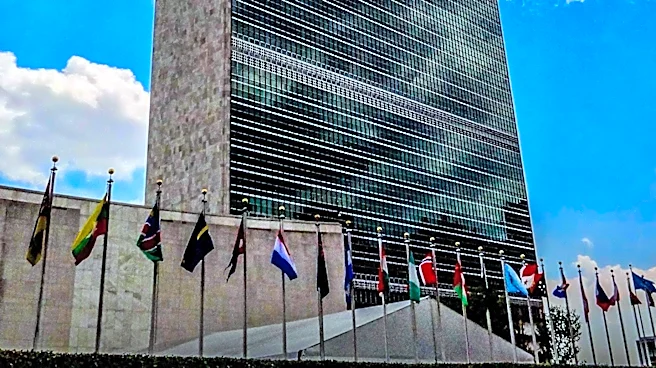
The United Nations Transitional Assistance Mission in Somalia (UNTMIS), a political mission that has operated in the Horn of Africa country for three decades, concluded its work on October 31, 2026. Raisedon Zenenga, the UN Secretary-General's Deputy
Special Representative for Somalia, stated that despite remaining challenges, the closure signifies considerable progress made by Somalia since the early years of international efforts to support its recovery. With UNTMIS ending, Somali institutions are now expected to assume full responsibility for the country's recovery, supported by other UN agencies that will continue their humanitarian and development work. Mr. Zenenga highlighted that Somalia now possesses national and federal institutions that did not exist when the UN's political engagement began, marking progress in state formation, political inclusion, constitutional processes, human rights frameworks, and governance structures.
Why It's Important?
The withdrawal of the UN's political mission marks a pivotal moment for Somalia, signaling a transition towards greater national ownership and self-governance. This development is important for the U.S. and the international community as it tests Somalia's capacity to maintain stability and continue its recovery trajectory independently. Success in this transition could serve as a model for other post-conflict nations, while failure could lead to renewed instability, potentially impacting regional security and requiring further international intervention. The continued presence of UN humanitarian and development agencies indicates that international support remains crucial, but the shift in political responsibility places a significant burden on Somali leadership to address persistent challenges such as poverty, insecurity, and the threat from groups like Al-Shabaab. The U.S. has significant counter-terrorism interests in the region, and Somalia's stability directly impacts these efforts.
What's Next?
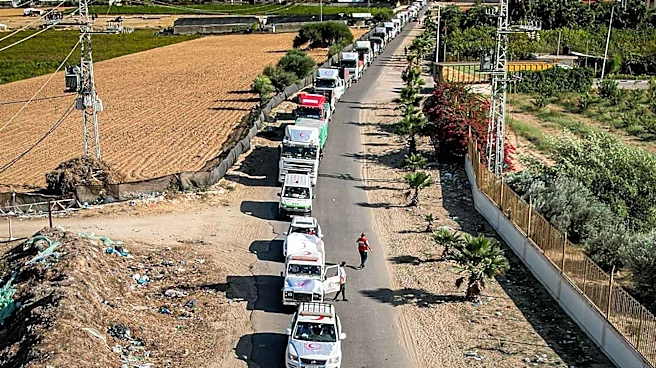
With the UNTMIS mission concluded, the immediate future will see Somali institutions taking the lead in national recovery efforts. This includes tackling poverty, strengthening security against terror groups like Al-Shabaab, and continuing state-building processes. The international community, through various UN agencies, will continue to provide humanitarian and development support, focusing on areas such as health, education, and food security. However, the effectiveness of these efforts will largely depend on the capacity and commitment of Somali national and federal institutions. Continued engagement from the international community will be vital to sustain progress and address outstanding priorities. The transition will likely involve ongoing monitoring of Somalia's political stability, human rights situation, and economic development by international partners.
Beyond the Headlines
The closure of UNTMIS highlights the complex and often protracted nature of state-building in post-conflict environments. While the UN's political mission has ended, the underlying issues of governance, security, and economic development remain deeply intertwined. The success of Somalia's self-governance will depend not only on institutional capacity but also on fostering national reconciliation and addressing the root causes of conflict. The transition also raises questions about the long-term role of international actors in supporting fragile states, balancing the need for external assistance with the imperative of national sovereignty. The experience in Somalia could offer valuable lessons for future international interventions, emphasizing the importance of building sustainable local capacities and ensuring genuine national ownership in peacebuilding processes.