





What's Happening?
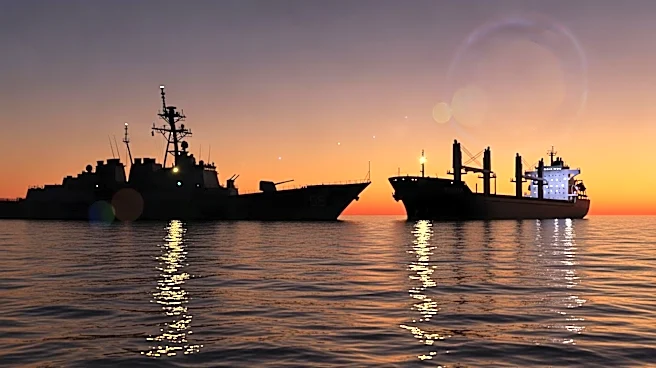
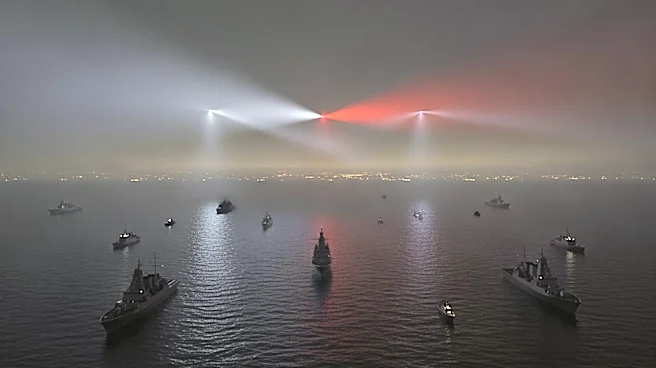
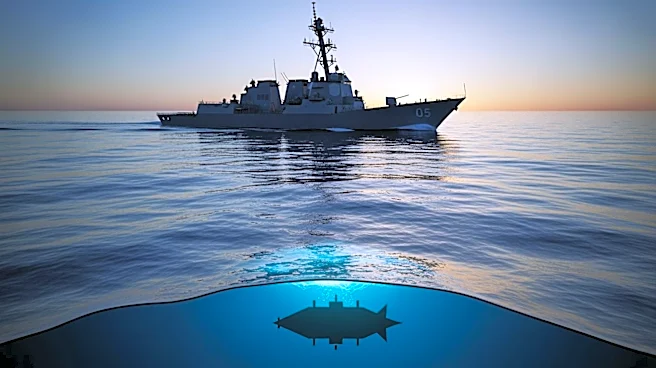
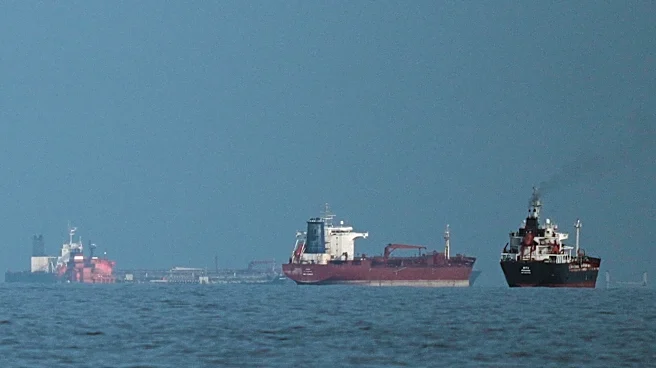
The U.S. Navy has implemented a blockade against Iran, effectively halting economic trade by sea. This action has led to Iranian-linked vessels turning around or stopping, as they face increased scrutiny and potential interception by U.S. forces. The blockade,
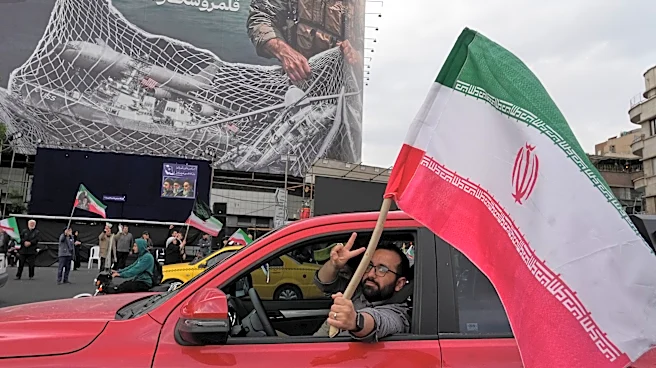
enforced impartially against all nations' vessels entering or leaving Iranian ports, aims to pressure Iran economically amid ongoing tensions. The blockade's enforcement has already impacted shipping routes, with vessels either complying with U.S. directives or attempting to evade detection by jamming or faking their locations. The situation remains volatile, with Iran threatening to block exports and imports across the Persian Gulf if the blockade continues.
Why It's Important?
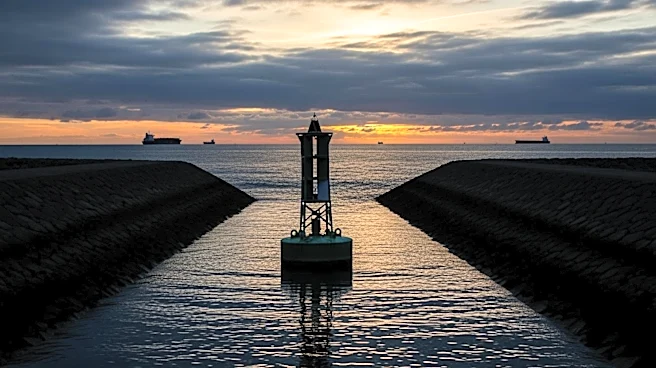
The blockade represents a significant escalation in U.S.-Iran relations, with potential repercussions for global oil markets and regional stability. By disrupting Iran's trade routes, the U.S. aims to exert economic pressure, which could lead to increased tensions and potential military confrontations. The blockade also affects global shipping and energy prices, as the Strait of Hormuz is a critical chokepoint for oil transportation. The situation underscores the complexities of international maritime law and the challenges of enforcing blockades without escalating conflicts. The U.S. action may also influence diplomatic relations with other nations involved in the region.
What's Next?
The continuation of the blockade could lead to further Iranian retaliatory measures, potentially disrupting global trade and energy supplies. Diplomatic efforts may intensify as international stakeholders seek to de-escalate tensions and ensure the free flow of goods through the Strait of Hormuz. The U.S. may face pressure from allies and international organizations to justify the blockade under international law. Monitoring the situation will be crucial as both sides navigate the geopolitical implications of the blockade.