





What's Happening?
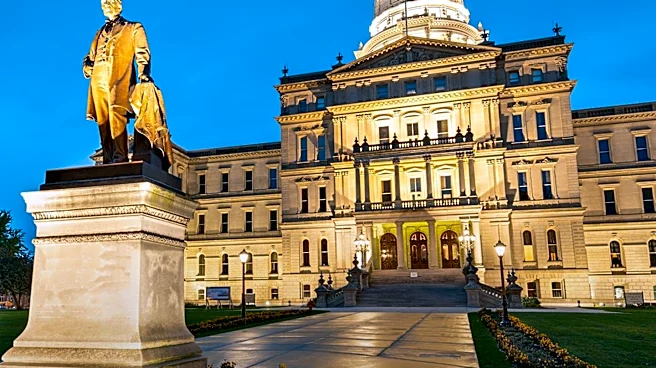
Governor Mike Braun of Indiana has announced the extension of the state's gas tax holiday for a third and final time. This extension will last for 30 days, aiming to provide relief during the peak summer travel season. The gas tax holiday reduces the gasoline
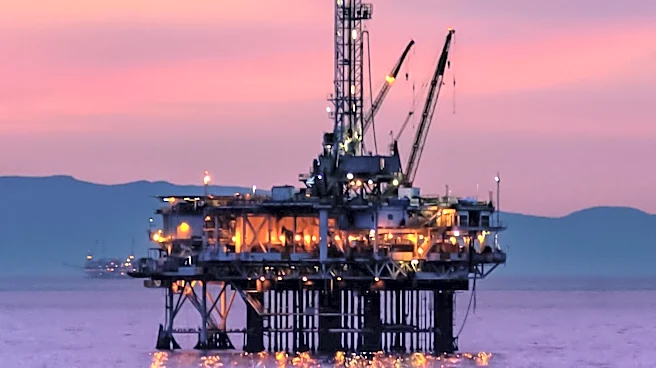
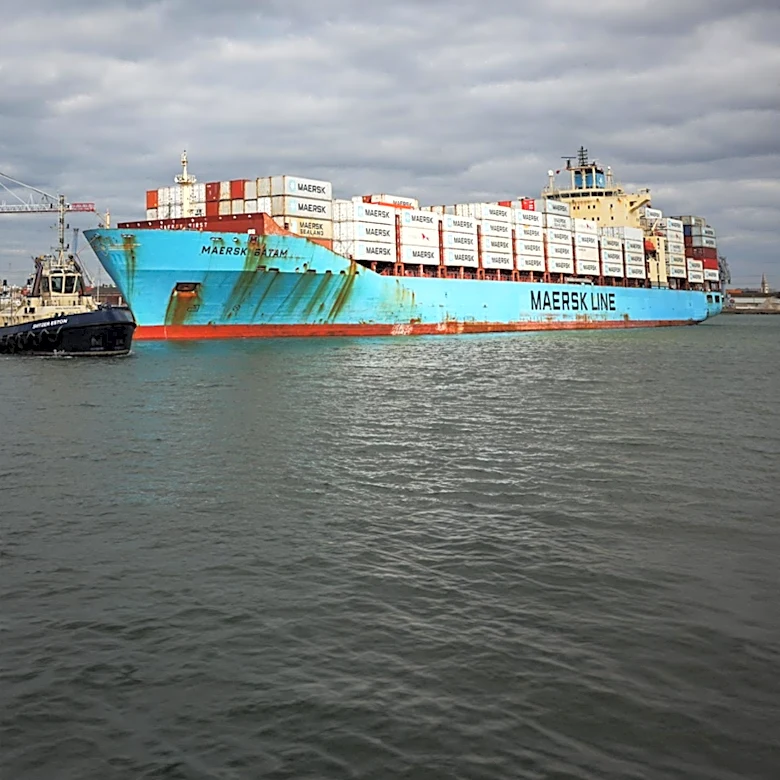
usage tax and excise tax, saving consumers over $0.62 per gallon. Indiana currently boasts the lowest gas prices in the country at $3.125 per gallon. Braun attributes the need for this measure to inflationary pressures he claims stem from policies of the previous administration. The decision comes in the context of global oil price fluctuations, particularly due to tensions in the Middle East affecting the Strait of Hormuz, a critical oil shipping route. Braun emphasized the importance of using all available tools to alleviate costs for Hoosiers, while also noting that state revenues are exceeding expectations despite the tax holiday.
Why It's Important?
The extension of the gas tax holiday is significant as it directly impacts the cost of living for Indiana residents, providing temporary financial relief amid rising fuel prices. This measure reflects broader economic strategies to manage inflation and support consumer spending. However, it also highlights the trade-offs involved, as the state foregoes substantial revenue—estimated at $470 million since April. This decision underscores the tension between short-term relief and long-term fiscal sustainability. Local governments, which rely on these funds for infrastructure projects, face potential budget shortfalls, although Braun has committed to making them whole. The move has sparked debate among local leaders, with some criticizing it as a short-sighted solution that shifts financial burdens.
What's Next?
Future extensions of the gas tax holiday would require legislative support, potentially involving a special session. The state government plans to coordinate with local entities to ensure they receive necessary funds to cover lost revenue. The Board of Finance is set to review fund transfers to local governments, with decisions expected in upcoming meetings. This situation may prompt further discussions on sustainable fiscal policies and long-term strategies to manage fuel costs and infrastructure funding. Stakeholders, including local officials and residents, will likely continue to engage in dialogue about the balance between immediate relief and enduring economic policies.