






What's Happening?
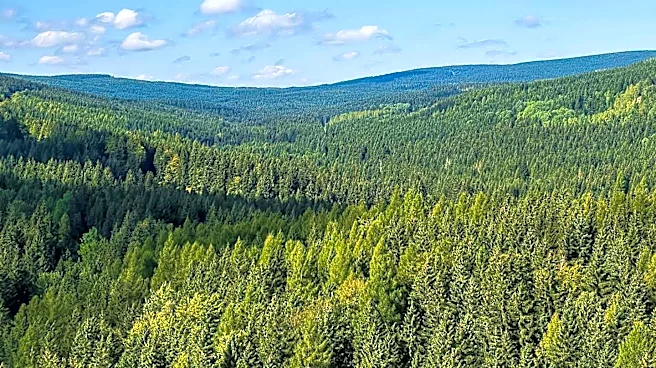
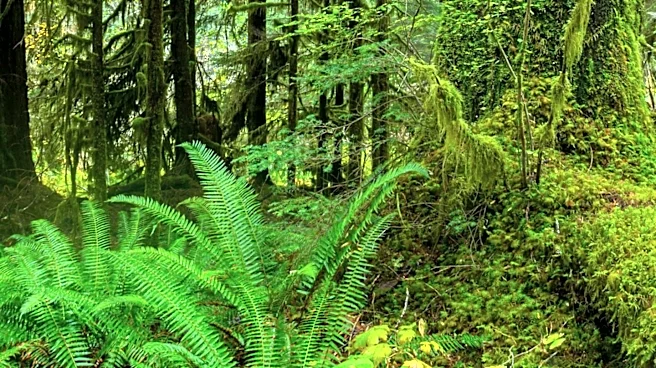
Washington Public Lands Commissioner Dave Upthegrove has revised his goal for protecting older state forests from timber harvest, reducing the target from 77,000 acres to 55,000 acres. This adjustment, announced on Thursday, was attributed in part to mapping
errors, with many parcels in the original figure being small or already protected. The 55,000 acres are currently exempt from logging until 2030. Upthegrove is now urging the state Legislature to grant the Department of Natural Resources (DNR) broader authority to generate revenue from state lands, moving beyond traditional logging. He highlighted that the agency's current forestry business model has led to a financial crisis over the past decade, with a key forestry account nearly going negative. The DNR oversees nearly 6 million acres of state public land, including 3 million acres of 'trust lands' that generate revenue primarily from logging for schools and local governments. The timber industry, represented by Heath Heikkila of the American Forest Resource Council, noted that the agency logged 27% below its target in the last fiscal year.
Why It's Important?
This development is significant for Washington State's environmental policy, economic stability, and the future of its public lands. The reduction in protected forest acreage, while explained by mapping issues, could be seen as a setback for conservation efforts and may draw criticism from environmental groups who supported Upthegrove's initial, more ambitious goals. The commissioner's call for legislative action to diversify revenue streams for the DNR is crucial. Relying heavily on timber sales has proven financially unsustainable and environmentally contentious. Shifting towards alternative revenue models, such as conservation easements and participation in regulatory carbon markets, could provide a more stable financial footing for the DNR while simultaneously advancing conservation objectives. This move could also set a precedent for other states grappling with similar challenges in balancing economic needs with environmental protection on public lands. The timber industry's perspective highlights the economic impact of reduced logging, emphasizing the need for sustainable and predictable revenue generation for rural communities.
What's Next?
Commissioner Upthegrove plans to present a proposal for conservation easements to the Board of Natural Resources in the spring, which would allow the department to lease older forests to municipalities, tribes, or nonprofits, compensating trust beneficiaries for conservation value. The DNR is also evaluating state forest lands for potential carbon projects, aiming to participate in regulatory carbon markets if legislative authority is secured. Upthegrove will continue to push the Legislature to broaden the DNR's revenue-generating opportunities, a legislative effort that has been ongoing for over 20 years. The success of these initiatives hinges on legislative approval, which has been a hurdle in the past. Conservation groups, like the Legacy Forest Defense Coalition, will likely continue to monitor and advocate for stronger protections, potentially challenging the revised acreage goal. The timber industry will also be closely watching, advocating for policies that ensure a consistent timber supply and economic stability for rural communities dependent on forestry.
Beyond the Headlines
The situation in Washington State reflects a broader national tension between traditional resource extraction industries and growing environmental conservation demands. The DNR's financial struggles underscore the limitations of relying on a single, often controversial, revenue source like logging for public land management. The exploration of carbon markets and conservation easements represents a significant shift in thinking, moving towards valuing forests for their ecological services rather than solely for timber. This could lead to a redefinition of 'sustainable forestry' that integrates climate change mitigation and biodiversity protection more centrally. The debate also highlights the complex governance challenges of managing public lands, where decisions must balance the interests of various stakeholders, including environmentalists, the timber industry, local communities, and educational institutions that benefit from trust land revenues. The outcome in Washington could influence how other states manage their public forests, potentially accelerating the adoption of innovative financing mechanisms for conservation.