






What's Happening?
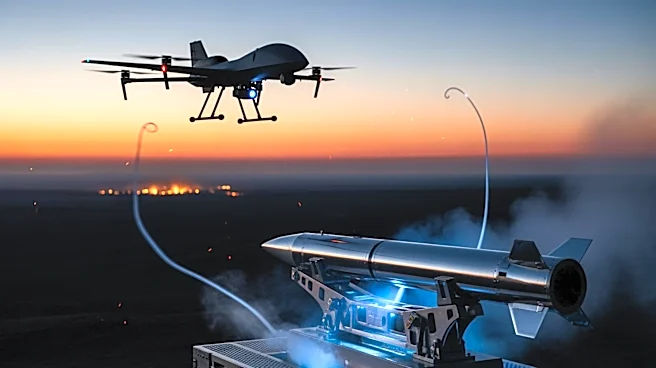
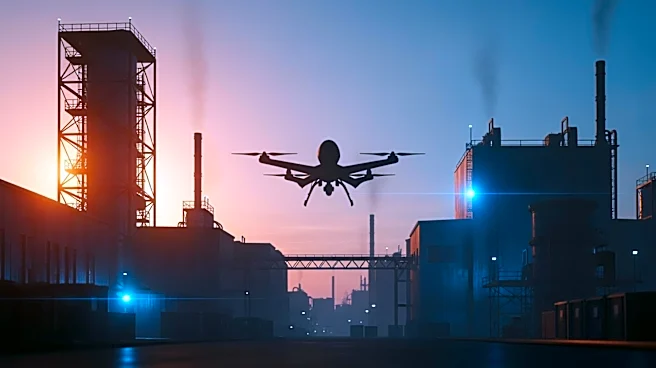
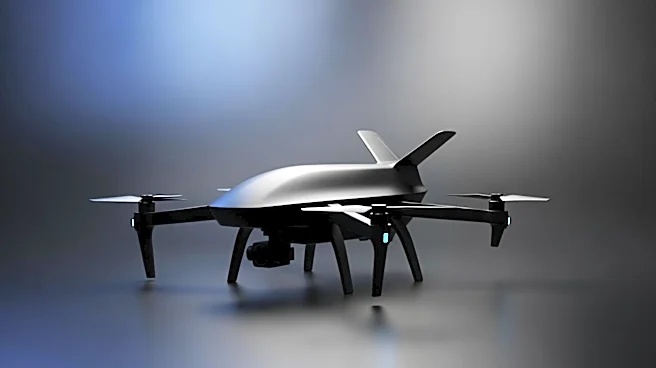
Ukraine's military has targeted a drone factory in Taganrog, Russia, as part of its ongoing conflict with Russia. The factory, known for producing Molniya-type drones and components for the Orion UAV, was hit by Ukrainian drones, causing a fire. This
attack is seen as a strategic move to diminish Russia's drone production capabilities, which have been used to target Ukrainian infrastructure. Concurrently, Russian forces launched a drone attack on Chernihiv in northern Ukraine, resulting in the death of a 16-year-old boy and injuries to four others. The Russian Defense Ministry reported that 274 Ukrainian drones, guided aerial bombs, and a Neptune missile were shot down during the night.
Why It's Important?
The attack on the Russian drone factory by Ukraine signifies a critical escalation in the ongoing conflict, highlighting the strategic importance of drone warfare in modern military engagements. By targeting the production facilities, Ukraine aims to weaken Russia's ability to conduct drone strikes, which have been a significant threat to Ukrainian civilian infrastructure. This development could potentially shift the dynamics of the conflict, affecting military strategies and the balance of power. The incident also underscores the broader implications for international security and the evolving nature of warfare, where unmanned aerial vehicles play a pivotal role.
What's Next?
The immediate aftermath of the attack may see increased military responses from both sides, with potential retaliatory strikes by Russia. The international community may also respond, possibly with diplomatic efforts to de-escalate tensions or impose sanctions. Monitoring the situation will be crucial as both nations may adjust their military strategies in response to the changing capabilities and threats. The ongoing conflict could also influence global drone technology development and military procurement strategies.
Beyond the Headlines
The use of drones in this conflict raises ethical and legal questions about the conduct of warfare and the targeting of civilian infrastructure. The reliance on drone technology highlights the need for international regulations and agreements to govern their use in military operations. Additionally, the conflict may prompt other nations to reassess their defense strategies and investments in drone technology, potentially leading to an arms race in unmanned systems.