






What's Happening?
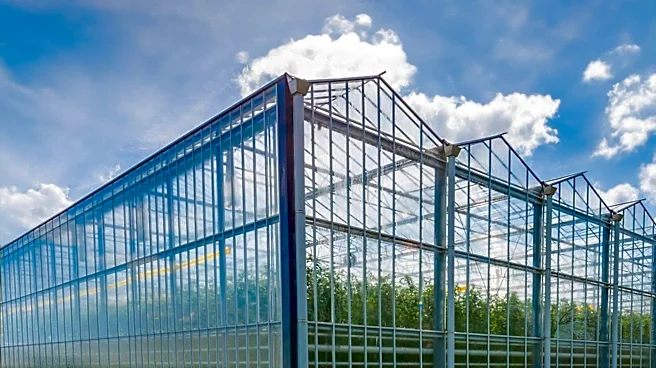
Michigan State University (MSU) has secured over $16.2 million from the U.S. Department of Agriculture’s National Institute of Food and Agriculture (USDA NIFA) to modernize its Plant Science Research Greenhouse Complex. This grant, provided through the Research Facilities
Act Program, will be matched by MSU, bringing the total investment to more than $32.5 million. The funding aims to enhance research capabilities, improve educational opportunities, and strengthen innovation within the agricultural sector. The Research Facilities Act Program supports the construction, renovation, and modernization of research facilities for agricultural studies, promoting research, teaching, and extension activities, and training future scientists. The renovated facilities will focus on improving agricultural productivity, increasing profitability, strengthening domestic agricultural markets, promoting sustainable resource use, and enhancing resilience against pests, diseases, and environmental challenges. Matt Daum, associate provost and dean of the College of Agriculture and Natural Resources (CANR), expressed gratitude for the funding, highlighting its benefits for students and researchers.
Why It's Important?
This significant investment in MSU's greenhouse complex is crucial for advancing agricultural research and education in the U.S. Modernized facilities will enable cutting-edge studies to address pressing issues such as food security, climate change impacts on crops, and sustainable farming practices. By improving research capabilities, MSU can develop innovative solutions that benefit farmers, agricultural industries, and consumers nationwide. The funding also supports the training of future agricultural scientists and professionals, ensuring a skilled workforce to tackle complex challenges in the sector. Enhanced research in areas like pest and disease resistance and environmental resilience will contribute to more stable and productive agricultural markets, reducing economic risks for farmers and ensuring a consistent food supply. This investment underscores the importance of public-private partnerships in fostering scientific advancement and economic growth within the agricultural sector, positioning Michigan and the U.S. as leaders in agricultural innovation.
What's Next?
The newly awarded USDA funding will address the remaining 40% of the greenhouse complex that still requires major upgrades, building upon previous investments of approximately $35 million from the State of Michigan and various MSU units. These prior investments have already led to the construction of a new headhouse and the installation of advanced environmental control systems, energy-efficient LED lighting, upgraded glazing panels, and taller greenhouse ceilings. With the additional funding, MSU will continue to modernize the facility, providing state-of-the-art resources for the more than 400 users from the College of Agriculture and Natural Resources and the College of Natural Science. The ongoing improvements are expected to further expand MSU's capacity for cutting-edge agricultural research, leading to new scientific discoveries and innovations that will benefit farmers, agricultural industries, and communities for years to come. The university will likely focus on completing the renovations efficiently to maximize the impact of the investment on research and educational outcomes.
Beyond the Headlines
The modernization of MSU's Plant Science Research Greenhouse Complex has broader implications beyond immediate agricultural benefits. It represents a strategic investment in scientific infrastructure that can attract top talent, foster interdisciplinary collaboration, and drive technological advancements. Ethically, it highlights the commitment to addressing global challenges like food security and environmental sustainability through scientific inquiry. The enhanced educational opportunities will empower a new generation of scientists to develop innovative solutions, contributing to a more resilient and sustainable future. Culturally, it reinforces the value of scientific research and education in addressing societal needs. In the long term, the breakthroughs achieved in these advanced facilities could lead to the development of new crop varieties, more efficient farming techniques, and improved environmental management strategies, ultimately benefiting public health, economic stability, and ecological balance across the nation and globally.