






What's Happening?
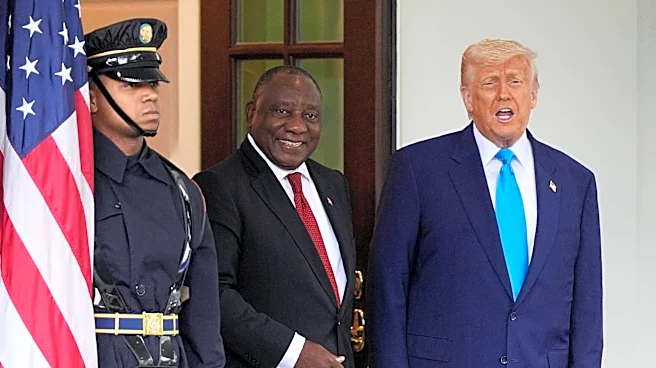
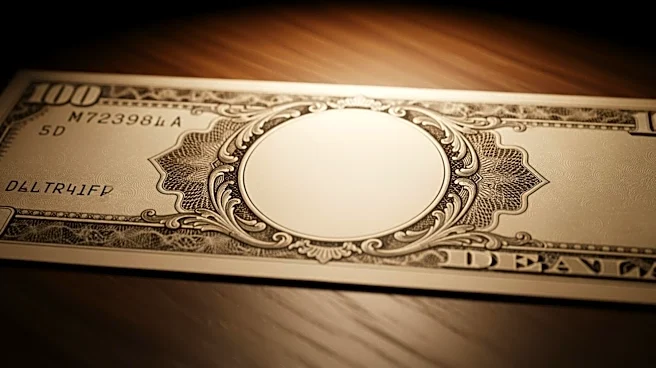
Officials from the Trump administration have been advocating for the creation of a $250 bill featuring President Trump's portrait, marking a significant departure from the longstanding tradition of only deceased individuals appearing on U.S. currency.
This initiative, led by U.S. Treasurer Brandon Beach and his senior adviser Mike Brown, has involved urging the Bureau of Engraving and Printing to prepare prototypes of the note. The proposal has sparked controversy due to existing federal laws that prohibit living persons from being depicted on currency. Despite these legal hurdles, mock-up designs have been created, and discussions have taken place with President Trump regarding the design elements. The effort coincides with plans to commemorate the 250th anniversary of the United States, although the necessary legislation to authorize such a bill has not yet been passed by Congress.
Why It's Important?
The push for a $250 bill featuring a living president's portrait is significant as it challenges existing legal frameworks governing U.S. currency. If successful, it could set a precedent for future currency designs and alter the traditional approach to commemorating historical figures. The proposal also highlights the influence of political appointees in shaping national symbols and raises questions about the intersection of politics and currency design. The initiative could impact public perception of currency as a non-partisan symbol and may lead to debates about the appropriateness of featuring living political figures on national currency. Additionally, the proposal's connection to the 250th anniversary celebrations underscores the administration's efforts to leave a lasting legacy.
What's Next?
The next steps involve navigating the legislative process, as the proposal requires congressional approval to become a reality. The bill introduced by Rep. Joe Wilson to authorize the $250 note has yet to receive a hearing, indicating potential challenges in gaining legislative support. Meanwhile, the Bureau of Engraving and Printing must continue its due diligence and planning in anticipation of possible legislative changes. The outcome of this initiative could influence future currency design policies and the role of political figures in national symbols. Stakeholders, including lawmakers, currency experts, and the public, will likely engage in discussions about the implications of this proposal.