









What's Happening?
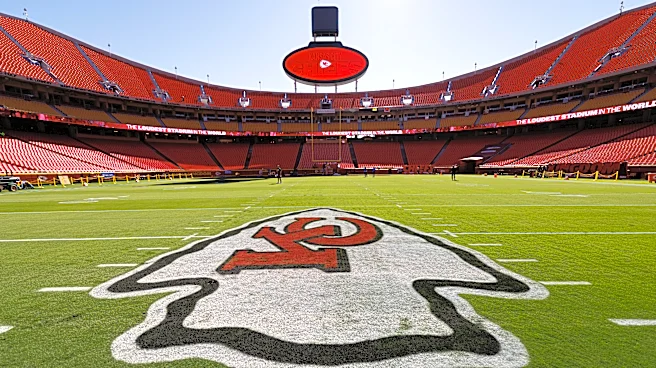
The Unified Government of Wyandotte County and Kansas City, Kansas, has reached an agreement with the state of Kansas, resolving a lawsuit concerning the Kansas City Chiefs' new stadium deal. The lawsuit, filed in October, alleged that Kansas overstepped
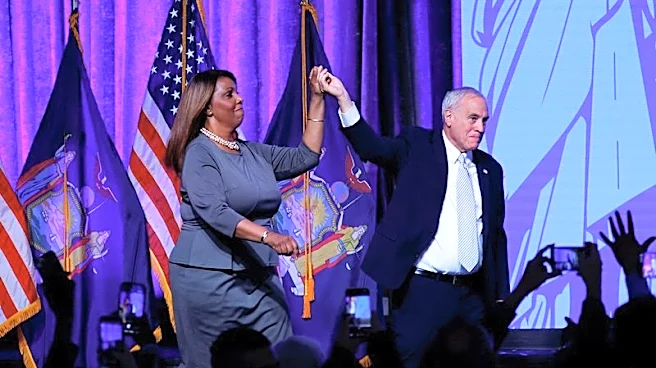
its authority in negotiating the multi-billion dollar project to bring the Chiefs across state lines. Under the new agreement, the Unified Government will dismiss its lawsuit, and Kansas City, Kansas, Mayor Christal Watson will gain a voting seat on the Kansas Sports Facilities Authority. This 11-person board will oversee the construction, financing, and management of the new stadium, training facilities, and surrounding entertainment districts. Additionally, Kansas will remove the Quindaro Ruins area from the state’s STAR Bond District, and the Unified Government has pledged sales tax revenue and a portion of its transient guest tax revenue from a local STAR Bond District, limited to the new stadium and its vicinity. The agreement also confirms the Unified Government's jurisdiction over local planning, zoning, and utility fees for the development.
Why It's Important?
This settlement is crucial for the progression of the Kansas City Chiefs' proposed move to Kansas, a deal estimated at $4 billion. The resolution of the legal dispute removes a significant hurdle, allowing the project to advance. For Wyandotte County, the agreement ensures local representation and a share in the economic benefits, addressing initial concerns about being excluded from the negotiation process. Mayor Watson's seat on the Kansas Sports Facilities Authority provides a direct voice for local citizens in decisions regarding the stadium's development and its impact on the community. The pledge of local sales tax and transient guest tax revenue signifies a commitment from the Unified Government to invest in the project, anticipating economic opportunities, increased tax revenue, and job creation. This development highlights the complex interplay between state and local governments in large-scale economic development projects and the importance of local stakeholder inclusion.
What's Next?
The Kansas Sports Facilities Authority board is expected to convene its first meeting in the coming weeks. During this meeting, the board will formally sign and execute the November agreement between Kansas and the Unified Government, officially concluding the legal battle surrounding the stadium project. With the legal challenges resolved, the focus will shift towards the practical aspects of the stadium's development, including detailed planning, financing, and construction. The agreement paves the way for the Chiefs to potentially leave Arrowhead Stadium in Kansas City, Missouri, for a new facility in Kansas City, Kansas. The involvement of the Unified Government and its secured seat on the oversight board suggests ongoing collaboration and local input throughout the project's lifecycle. The economic benefits, including job creation and increased tax revenue, are anticipated to materialize as the project progresses.
Beyond the Headlines
The resolution of this dispute underscores the broader implications of large-scale sports infrastructure projects on local governance and community development. The initial lawsuit by Wyandotte County highlighted concerns about state overreach and the potential marginalization of local interests in major economic deals. The subsequent agreement, which grants the county a voting seat and ensures local jurisdiction over certain aspects, sets a precedent for how such projects might be negotiated in the future, emphasizing the need for inclusive decision-making processes. The use of STAR bonds, a mechanism for financing projects through sales tax and revenue bonds, also brings into focus the financial strategies employed by states to attract and retain major sports franchises. The long-term success of this agreement will depend on the effective collaboration between state and local entities, ensuring that the promised economic benefits are realized and that community concerns continue to be addressed throughout the stadium's development and operation.