



What's Happening?
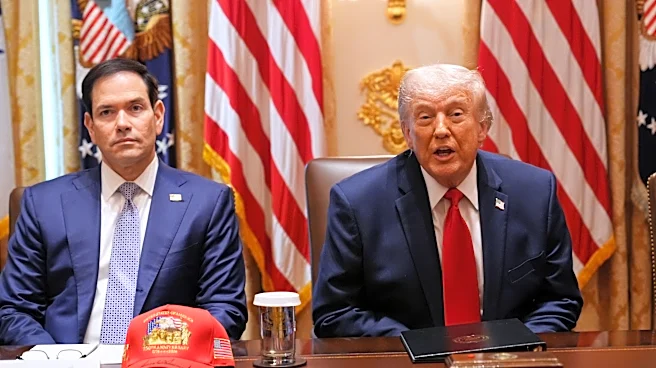
President Trump is facing criticism over his handling of negotiations with Iran, as tensions escalate with renewed military actions involving the United States, Iran, and Israel. The situation has been exacerbated by Iran's decision to pull out of talks
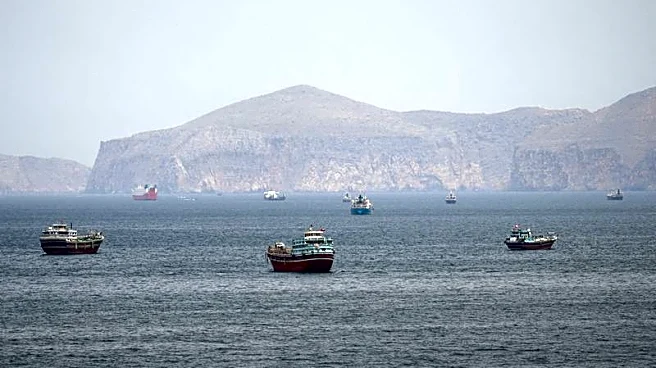
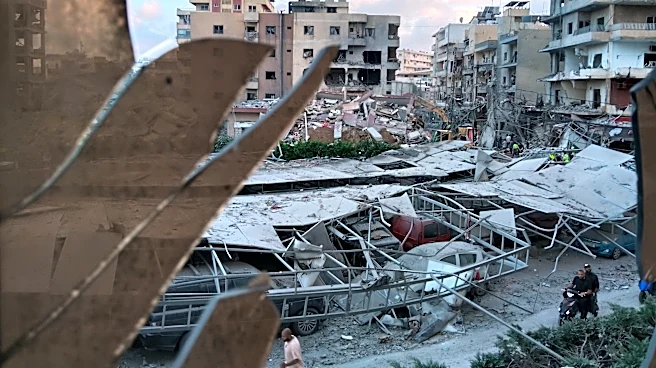
and threaten to block the Strait of Hormuz following Israeli attacks in Lebanon. President Trump has expressed frustration with both Democratic and Republican critics, who he claims are undermining his ability to negotiate effectively. Despite his assertions of progress, the negotiations have stalled, and recent military actions suggest a lack of resolution. Trump's approach, characterized by a mix of authoritarianism and sensitivity to criticism, has drawn scrutiny, particularly as he has not sought congressional authorization for military actions, which could have bolstered support among Republicans.
Why It's Important?
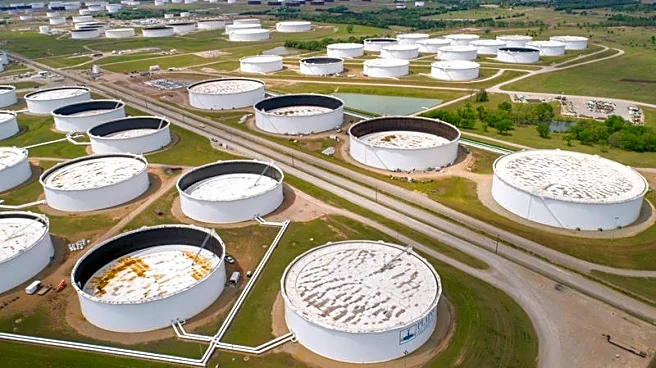
The ongoing conflict and stalled negotiations with Iran have significant implications for U.S. foreign policy and global energy markets. The potential closure of the Strait of Hormuz, a critical chokepoint for global oil supplies, could lead to increased oil prices and economic instability. Domestically, President Trump's handling of the situation may affect his political standing, as criticism from both parties highlights divisions within the government. The lack of congressional involvement in the decision-making process raises concerns about the balance of power and the role of checks and balances in U.S. governance. The situation underscores the complexities of international diplomacy and the challenges of managing geopolitical conflicts.
What's Next?
The future of U.S.-Iran relations remains uncertain, with potential for further military escalation or a return to negotiations. President Trump's administration may face increased pressure from Congress to seek authorization for military actions, which could influence the administration's strategy. The international community will likely monitor the situation closely, as any disruption in the Strait of Hormuz could have widespread economic repercussions. Additionally, the administration's handling of the situation may impact President Trump's political capital and influence within the Republican Party, particularly as he navigates criticism from both allies and opponents.