







What's Happening?
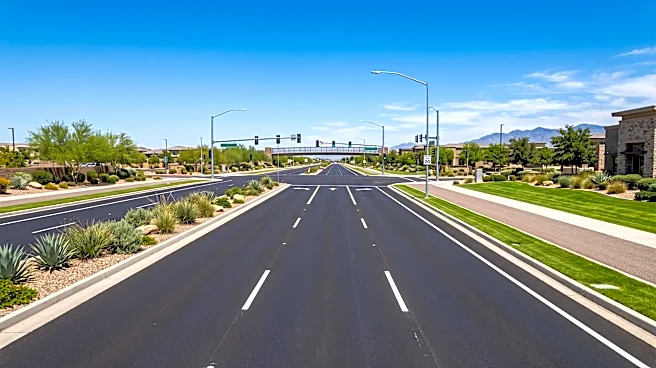
The City of Chandler is planning a significant infrastructure project to widen Kyrene Road, specifically the stretch between Loop 202 and Chandler Boulevard, from its current four lanes to six lanes. This expansion aims to alleviate traffic congestion,
which transportation planning manager Jason Crampton notes is currently insufficient for the existing traffic volumes. The proposal includes expanding the road from two lanes in each direction to three. Additionally, the city is considering replacing traditional bike lanes with a 10-foot-wide shared path on both sides of the road, designed to accommodate both cyclists and pedestrians. The initial public meeting to discuss these plans and gather feedback is scheduled for this Wednesday, from 4 p.m. to 6 p.m., at Sunset Library. Belinda Russell, HOA president of the Sorrento neighborhood, expressed her community's desire to be involved in the discussions, emphasizing the need for positive changes for neighborhoods alongside progress. Construction is slated to begin in 2028, but before that, the city must acquire necessary right-of-way, including landscaped areas adjacent to the road. Another public meeting is planned for 2027.
Why It's Important?
This road widening project is crucial for Chandler's continued growth and the daily lives of its residents and commuters. Increased traffic capacity on Kyrene Road could significantly reduce commute times and improve overall traffic flow in a heavily used corridor. For local businesses, improved infrastructure can mean better accessibility for customers and more efficient transportation of goods, potentially boosting economic activity in the area. However, the project also carries implications for local communities, particularly those adjacent to Kyrene Road. The acquisition of right-of-way could impact landscaped areas and potentially alter the character of neighborhoods like Sorrento, as highlighted by HOA president Belinda Russell. The shift from dedicated bike lanes to a shared path also represents a change in urban planning strategy, which could affect the safety and convenience for different types of road users. The public input process is vital for ensuring that community concerns are addressed and that the project balances traffic needs with neighborhood quality of life.
What's Next?
The immediate next step is the public meeting scheduled for this Wednesday at Sunset Library, where Chandler residents and stakeholders can review the preliminary plans and provide their initial feedback. This meeting will be a critical opportunity for community members, especially those in affected neighborhoods, to voice concerns and suggest modifications. Following this initial feedback phase, the city will continue with the design process, incorporating public input where feasible. A subsequent public meeting is already scheduled for 2027, indicating a prolonged period of planning and community engagement before construction commences. Before any ground is broken in 2028, the City of Chandler will need to undertake the complex process of acquiring the necessary right-of-way, which involves negotiations with property owners and potentially land condemnation. The final design of the shared path versus bike lanes will also be solidified based on ongoing assessments and public opinion. The project's timeline suggests a multi-year effort, with significant milestones for public involvement and administrative procedures still ahead.
Beyond the Headlines
The Kyrene Road widening project reflects a broader challenge faced by rapidly growing U.S. cities: how to manage increasing traffic demands while preserving community character and environmental quality. The debate over shared paths versus dedicated bike lanes highlights evolving urban planning philosophies regarding multimodal transportation. While shared paths can offer flexibility, concerns often arise about potential conflicts between pedestrians and faster-moving cyclists, impacting safety and user experience. The need to acquire right-of-way also touches upon property rights and the balance between public infrastructure needs and private land ownership, often leading to complex legal and social considerations. This project could set a precedent for how Chandler approaches future infrastructure developments, particularly in terms of community engagement and balancing various stakeholder interests. The long-term implications include not only improved traffic flow but also potential shifts in local real estate values, pedestrian and cyclist safety standards, and the overall aesthetic and functional landscape of the affected corridors.