




What's Happening?
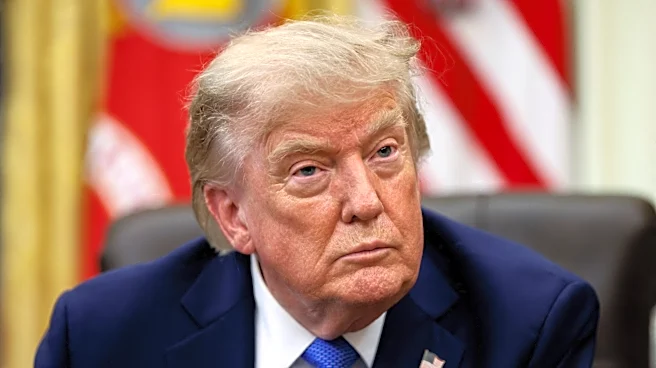
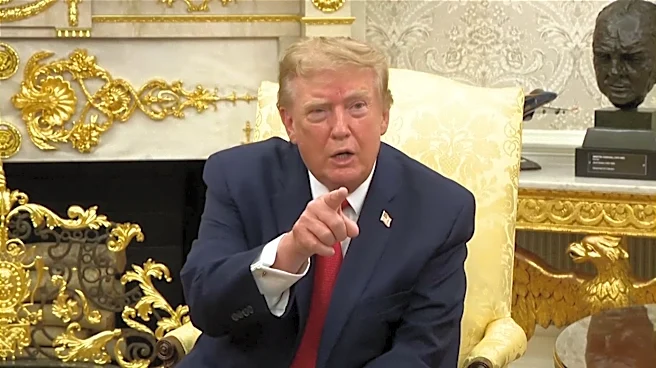
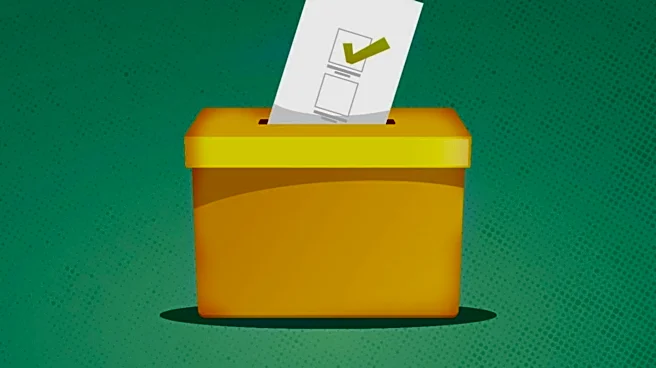
President Trump cast a mail ballot in Florida's recent primary election, despite his repeated public statements and spread of falsehoods regarding widespread fraud in mail voting. Records from Palm Beach County confirmed his mail ballot submission. When
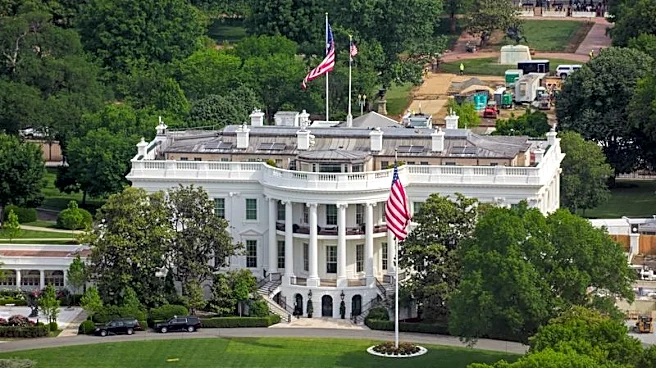
questioned about the discrepancy between his actions and his rhetoric, a White House spokesperson, Olivia Wales, stated that President Trump supports "commonsense exceptions for Americans to use mail-in ballots for illness, disability, military, or travel," but opposes "universal mail-in voting" due to its susceptibility to fraud. The spokesperson emphasized that President Trump is a resident of Palm Beach and participates in Florida elections, though he primarily resides at the White House. This is not the first instance of President Trump voting by mail; he also did so in a March special state house election and in the 2020 primaries. Florida law allows for no-excuse mail voting, a system adopted with bipartisan support after the 2000 presidential election recount.
Why It's Important?
President Trump's decision to vote by mail while simultaneously campaigning against it highlights a significant contradiction that could impact public trust in election processes and political discourse. His actions may be perceived as undermining his own arguments about mail-in voting fraud, potentially confusing voters and critics alike. This situation also underscores the ongoing debate about election integrity and the methods of voting in the United States. While President Trump advocates for the SAVE America Act, which would require documentary proof of citizenship to register and government-issued voter ID, many Republicans are reluctant to abandon mail-in voting, which has proven beneficial for their campaigns. The discrepancy between rhetoric and practice from a prominent political figure can influence voter behavior and perceptions of electoral fairness, particularly as the nation approaches future elections.
What's Next?
The revelation of President Trump's mail ballot use is likely to fuel further discussion and scrutiny regarding his stance on election integrity and voting methods. Opponents may use this information to highlight perceived inconsistencies in his political messaging. Conversely, his supporters might reiterate the White House's explanation of "commonsense exceptions" for mail-in voting. The broader debate on voting reform, including the push for the SAVE America Act and discussions around universal mail-in voting, will continue in Congress and state legislatures. This event could also prompt more detailed examinations of state-specific voting laws and how they are applied, especially in states like Florida that offer no-excuse mail voting. As future elections approach, the issue of mail-in voting will remain a contentious topic, with this incident potentially serving as a reference point in ongoing political debates.
Beyond the Headlines
This incident delves into the complex interplay between political rhetoric, personal actions, and public policy. Beyond the immediate political implications, it raises questions about the nature of leadership and the impact of a leader's personal conduct on the credibility of their public statements. The selective application of principles—condemning a practice while personally engaging in it—can erode public trust in institutions and political figures. It also highlights the strategic calculations involved in political messaging, where leaders may tailor their arguments to specific audiences or political objectives, even if it means appearing inconsistent. This dynamic contributes to a broader environment of skepticism and polarization, making it challenging for the public to discern consistent policy positions and factual information regarding critical democratic processes like voting.