

What's Happening?
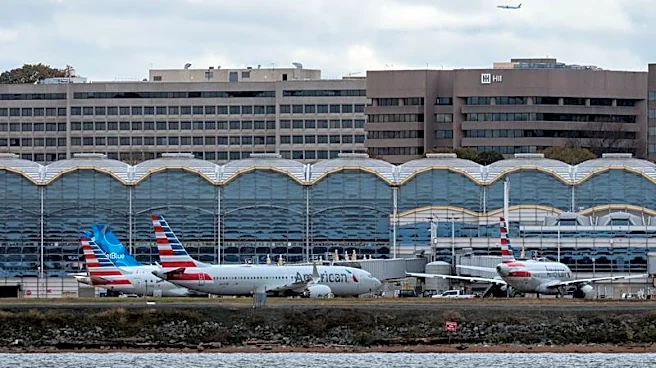
On Friday afternoon, November 13, 2026, the Federal Aviation Administration (FAA) issued a nationwide ground stop, halting all departing commercial and civilian flights across the United States. The agency cited "extraordinary circumstances and for reasons
of safety" for the unprecedented measure. Transportation Secretary Sean Duffy and FAA spokespeople confirmed that the halt was triggered by a widespread communications failure impacting Air Route Traffic Control Centers (ARTCCs), which are responsible for guiding high-altitude air traffic. Initial reports indicated a "rolling frequency outage" that disrupted air-to-ground radio communications between controllers and aircraft. FAA technicians launched an immediate investigation to restore affected telecommunications and radio frequency infrastructure. This event marks only the third nationwide U.S. ground stop in modern aviation history, following the January 2023 NOTAM system outage and the post-9/11 airspace closure. The ground stop was lifted between 8:15-8:30 p.m. Eastern Time after systems were restored, but significant disruptions are expected to continue for days.
Why It's Important?
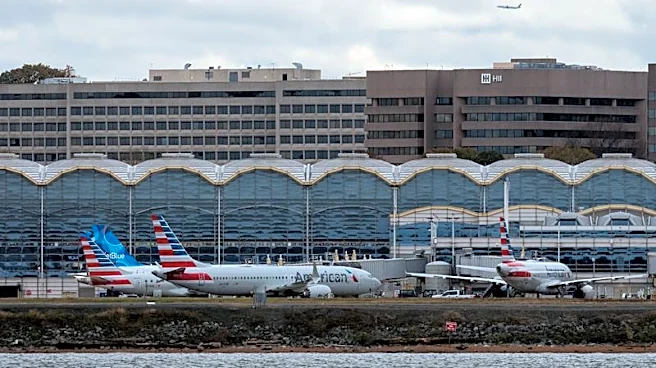
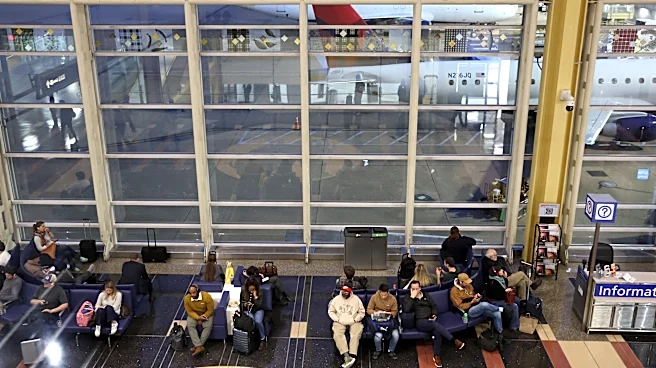
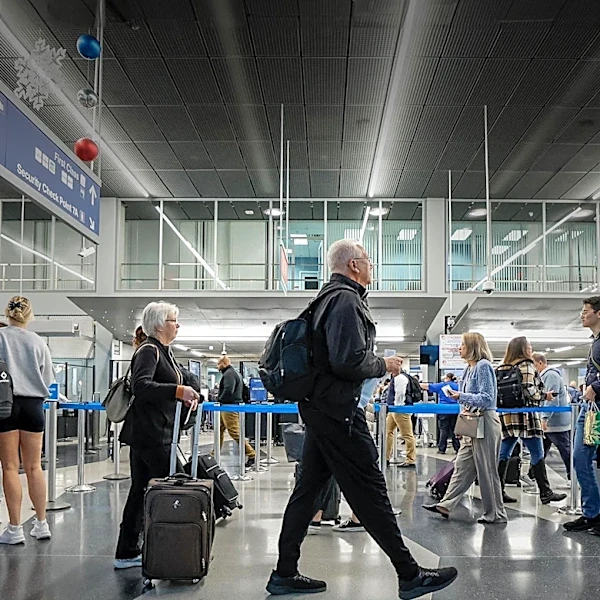
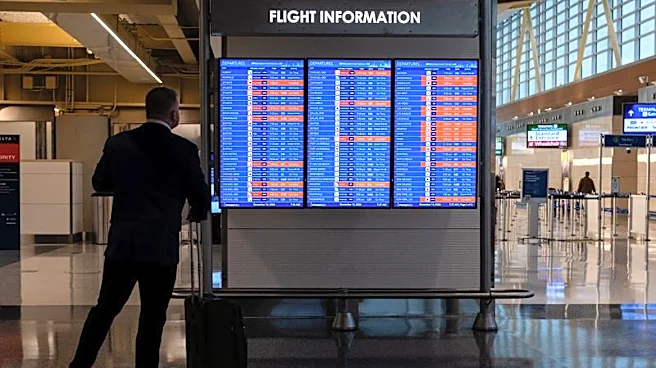
This nationwide ground stop has had a massive operational impact on U.S. air travel, leading to over 4,700 flight cancellations and more than 10,000 delays on November 13, with hundreds more cancellations anticipated for November 14. The disruption affects millions of passengers and has significant economic repercussions for airlines and related industries. Major carriers like United, JetBlue, American, Delta, and Southwest are facing substantial network dislocations, requiring extensive efforts to reposition aircraft and crews. The incident highlights the critical reliance on robust and resilient air traffic control infrastructure for national transportation and commerce. The FAA's aging analog telecommunications network, with overloaded switches and routers, has been identified as a potential contributing factor, raising concerns about the need for modernization and investment in critical national infrastructure. The event also underscores the vulnerability of the air travel system to technical failures, even in the absence of malicious activity.
What's Next?
While the nationwide ground stop has been lifted, the U.S. aviation system remains heavily disrupted, and airlines are warning that full recovery will take at least several operational cycles, potentially extending for days. Travelers are advised to closely monitor updates from their respective carriers, as cancellations and delays are expected to continue throughout November 14 and beyond due to aircraft and crew being out of position. Federal investigators are still working to determine the precise root cause of the communications failure, with conflicting reports suggesting either an overloaded infrastructure or a software/technology update as potential triggers. The incident will likely prompt further scrutiny of the FAA's telecommunications infrastructure and may lead to calls for accelerated modernization efforts to prevent future widespread disruptions. Airlines will focus on re-establishing their schedules and accommodating affected passengers, which will be a complex logistical challenge.
Beyond the Headlines
This incident brings to the forefront the broader implications of an aging national infrastructure in an increasingly interconnected and technology-dependent world. The FAA's reliance on an "aging analog telecommunications network" suggests a systemic vulnerability that extends beyond just air traffic control. Such widespread failures can erode public confidence in critical national systems and highlight the economic costs of underinvestment in infrastructure maintenance and upgrades. While Homeland Security Secretary Markwayne Mullin stated there is no evidence of a cyberattack, the event serves as a stark reminder of the potential for non-malicious technical failures to cause significant national disruption. It may also reignite debates about the balance between cost-efficiency and resilience in managing essential public services and infrastructure, potentially influencing future policy decisions regarding federal funding for technological modernization across various sectors.