

What's Happening?
A tragic incident at an unlicensed daycare in Jerusalem resulted in the deaths of two infants, Leah Tzipora Goloventzitz and Aharon Katz, and the hospitalization of dozens of other children. The event quickly became a focal point for rumors and biases,
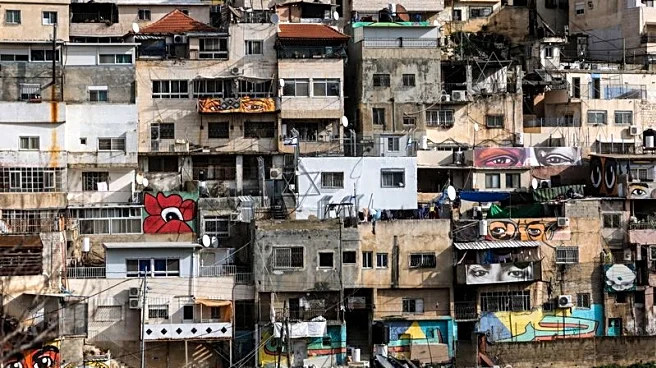
with false accusations spreading about the cause of the deaths. The daycare, located in the Romema neighborhood, was initially suspected of a gas leak or CO2 exposure. Despite the daycare's unlicensed status, the rapid response by Israeli rescue services and hospitals ensured the safety of the remaining children. The incident has sparked discussions about the need for thorough investigations into such tragedies and the impact of societal prejudices on public perception.
Why It's Important?
This tragedy highlights the vulnerabilities in childcare safety and the potential for misinformation to exacerbate public fear and prejudice. The rapid spread of rumors underscores the challenges faced by communities in managing crises and the importance of accurate information dissemination. The incident also brings attention to the broader issue of unlicensed childcare facilities and the need for regulatory oversight to ensure child safety. Additionally, it reflects societal tensions, particularly regarding the ultra-Orthodox community, and the potential for such events to be politicized.
What's Next?
In the aftermath of the tragedy, there may be increased calls for regulatory reforms and stricter enforcement of childcare licensing in Israel. Authorities might also focus on improving crisis communication strategies to prevent the spread of misinformation. The incident could lead to broader discussions about societal biases and the need for greater understanding and cooperation among different community groups.
Beyond the Headlines
The daycare tragedy serves as a reminder of the ethical responsibility to protect vulnerable populations, such as children, and the importance of addressing systemic issues in childcare provision. It also highlights the role of media and public discourse in shaping perceptions and the need for responsible reporting to prevent the spread of harmful stereotypes.