

What's Happening?
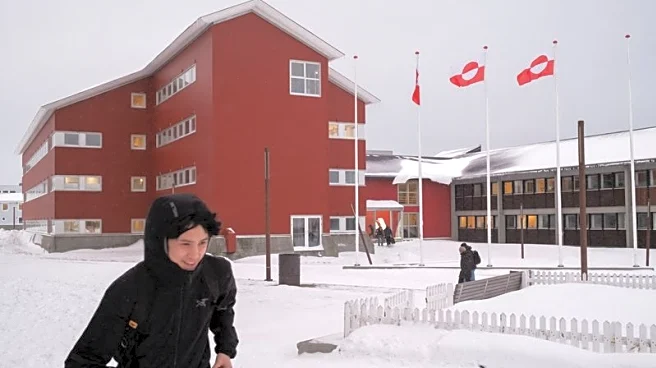
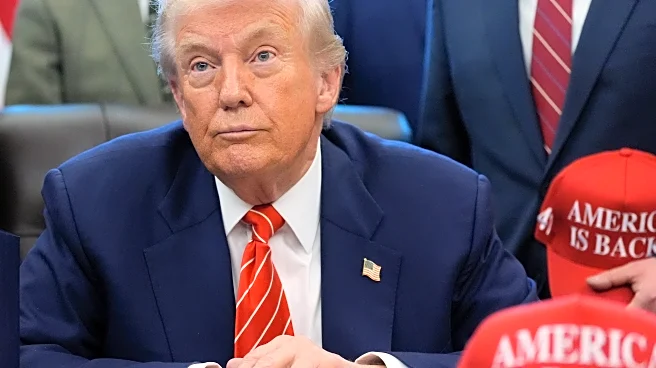
Greenlanders have rejected President Trump's proposal for the U.S. to 'own' Greenland, a move he suggested to prevent Russian and Chinese influence in the region. The proposal has sparked discussions about Greenland's colonial history and its future.
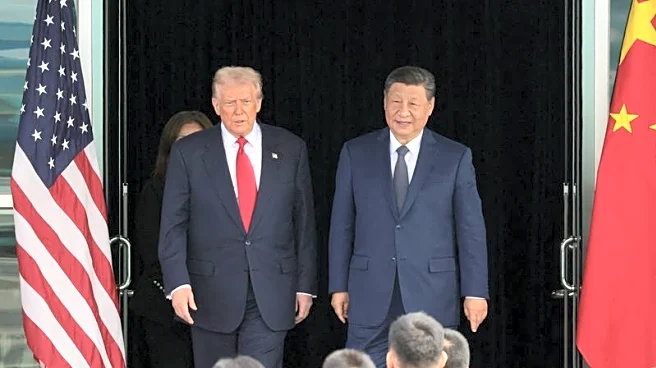
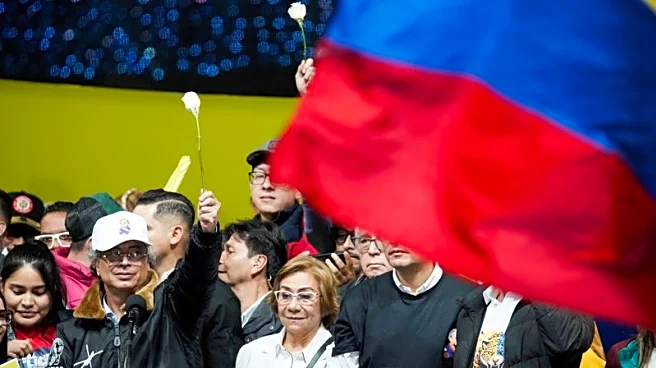
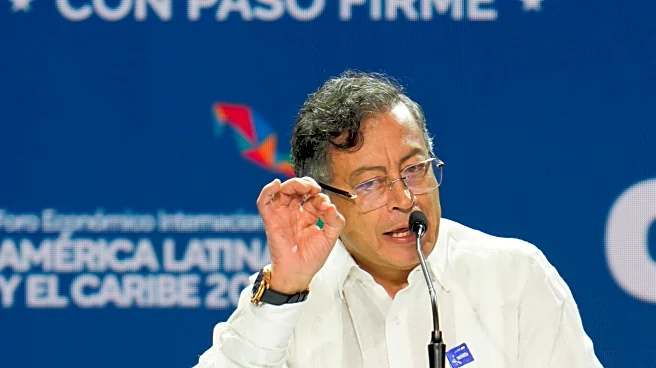
Meanwhile, tensions between the U.S. and Colombia have escalated, with President Trump and Colombian President Gustavo Petro clashing over issues such as migration and U.S. military actions in the Caribbean. These developments reflect broader shifts in U.S. foreign policy and international relations.
Why It's Important?
President Trump's proposal to acquire Greenland highlights the strategic importance of the Arctic region in global geopolitics, particularly concerning resource access and military positioning. The rejection by Greenlanders underscores the complexities of sovereignty and self-determination in former colonial territories. Additionally, the strained relations with Colombia indicate potential challenges for U.S. influence in Latin America, as regional dynamics shift and new alliances form. These issues could have significant implications for U.S. foreign policy and its global standing.
Beyond the Headlines
The situation in Greenland raises questions about the ethical considerations of territorial acquisition and the rights of indigenous populations. The proposal also reflects broader geopolitical trends, such as the increasing importance of the Arctic in global strategy and the potential for new conflicts over resources. In Latin America, the U.S.'s approach to Colombia may influence its relationships with other countries in the region, potentially affecting trade, security, and diplomatic efforts.