


What's Happening?
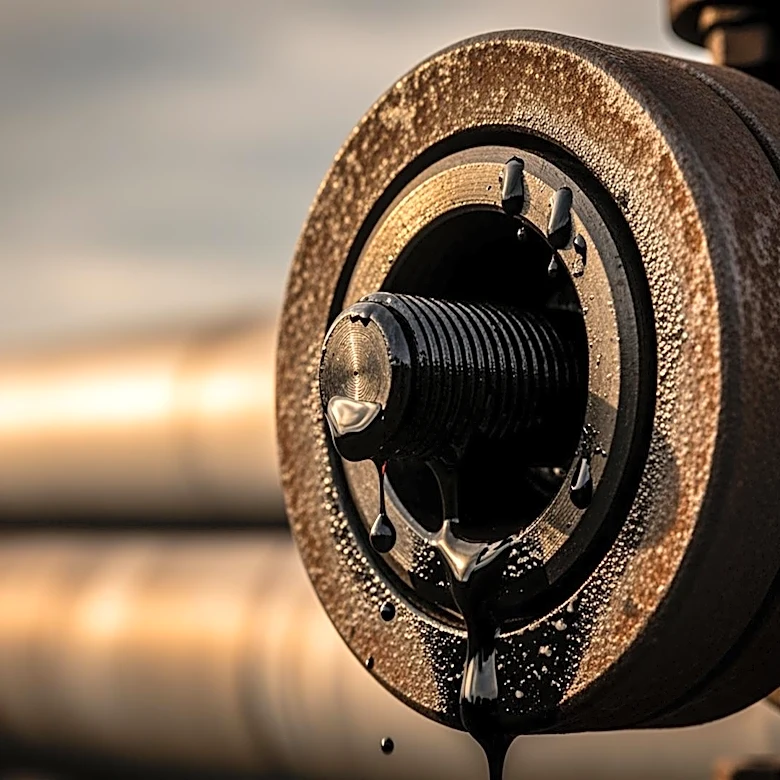
China's producer price index (PPI) rose by 3.9% in May 2026 compared to the previous year, marking the highest increase since July 2022. This surge is attributed to rising raw material costs due to the ongoing conflict in the Middle East, which has disrupted
energy and commodity flows. Additionally, there is increased demand for artificial intelligence-related equipment, further driving up prices. Despite the rise in producer prices, consumer price inflation in China was recorded at 1.2% in May, falling short of economists' expectations of 1.3%. The core consumer price inflation, which excludes food and energy prices, grew by 1.1%, slightly lower than the previous month's 1.2% rise.
Why It's Important?
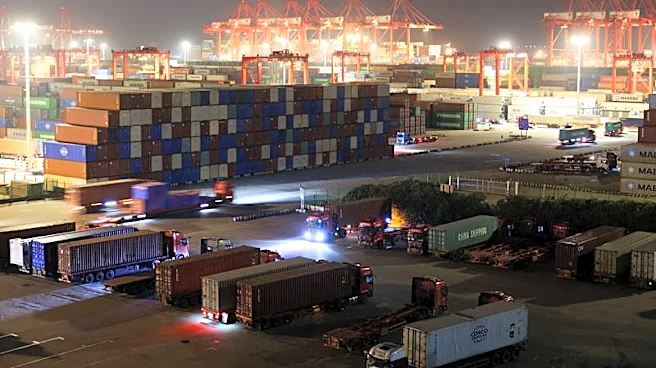
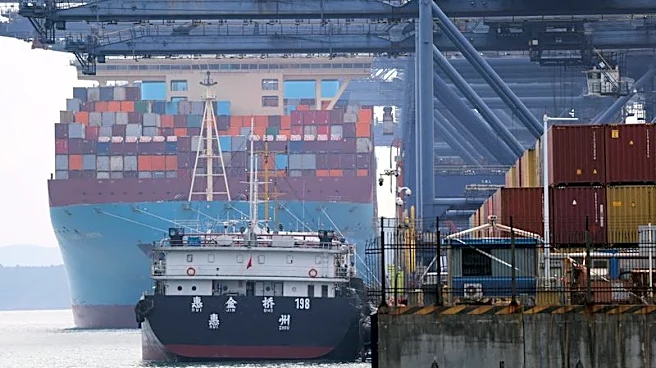
The increase in China's producer prices has significant implications for global markets, particularly in the U.S., as it may lead to higher costs for imported goods. The disruption in energy and commodity flows due to the Middle East conflict could exacerbate supply chain issues, affecting industries reliant on these materials. The demand for AI-related equipment highlights the growing importance of technology in driving economic trends, which could influence U.S. tech companies and investors. The disparity between producer and consumer price inflation suggests potential challenges in managing inflationary pressures, which could impact global economic stability.
What's Next?
If the Middle East conflict continues, further disruptions in energy and commodity supplies are likely, potentially leading to sustained high producer prices. This could prompt U.S. businesses to seek alternative supply chains or adjust pricing strategies to mitigate cost increases. Additionally, the ongoing demand for AI technology may spur further investment in the sector, influencing market dynamics and innovation. Policymakers may need to address inflationary pressures to maintain economic stability, both domestically and internationally.