
What's Happening?
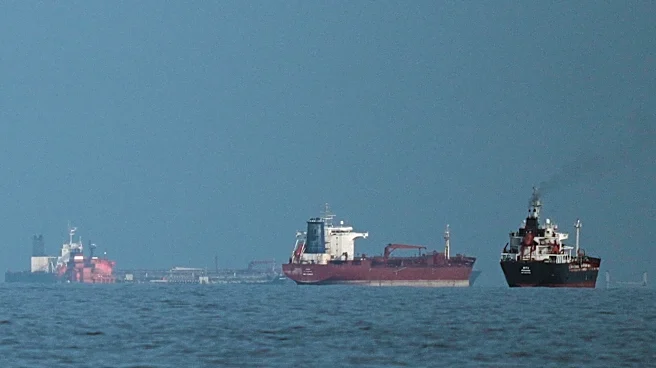
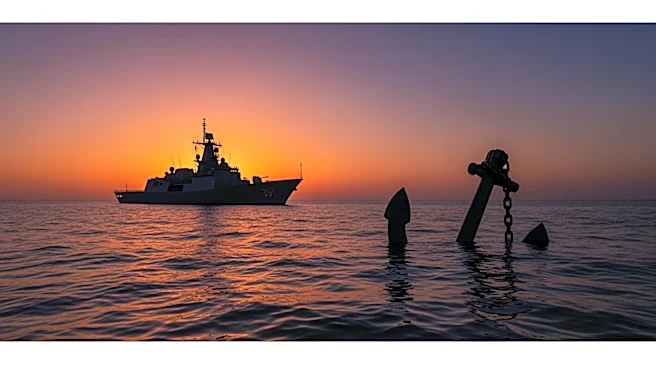
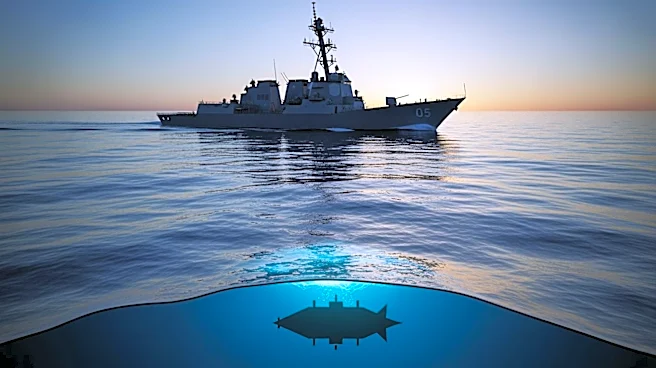
The U.S. Navy has launched a mine-clearing operation in the Strait of Hormuz, utilizing modern technology to address the threat posed by Iranian maritime mines. The operation involves the use of unmanned
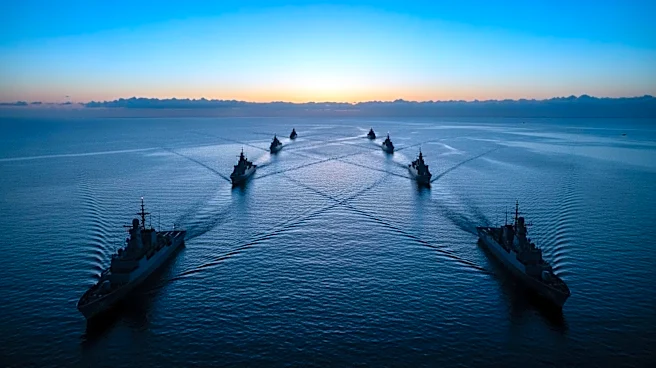
surface and underwater vehicles equipped with sensors to detect and neutralize mines. The Navy's current capabilities include sonar-mounted drones and helicopters for spotting mines near the surface. The operation is part of a broader effort to secure the strait and ensure the safe passage of commercial ships, following disruptions caused by Iran's deployment of mines. The U.S. military has already sent warships through the strait and plans to deploy additional forces, including underwater drones, in the coming days.
Why It's Important?
The Strait of Hormuz is a critical chokepoint for global oil supplies, and any disruption can have far-reaching economic impacts. The U.S. operation aims to restore security and stability to this vital maritime route, which is essential for international trade. The use of advanced technology in mine-clearing operations highlights the evolving nature of military strategies and the importance of maintaining technological superiority. The operation also reflects ongoing geopolitical tensions between the U.S. and Iran, with potential implications for regional security and international relations.
What's Next?
The mine-clearing operation is expected to continue for several weeks, with the U.S. military likely to enhance its defensive measures to protect its personnel and equipment from potential Iranian attacks. The deployment of additional unmanned systems and advanced technologies may expedite the process, but the threat of further mine deployment by Iran remains. The situation could lead to increased military presence in the region and heightened diplomatic efforts to address the underlying tensions. The outcome of the operation will be crucial in determining the future security of the Strait of Hormuz and the stability of global energy markets.