




What's Happening?
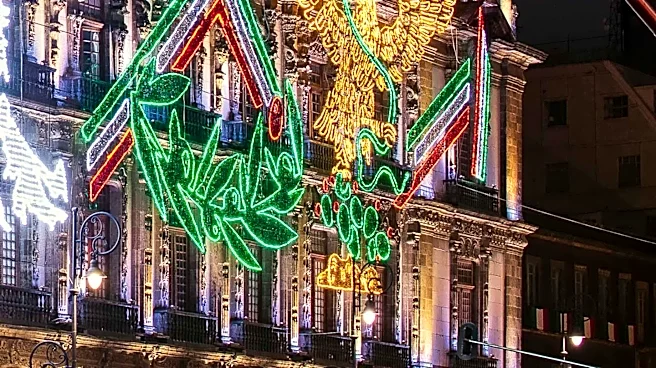
Mexico's national Independence Day is officially celebrated on September 16, with festivities commencing the night before on September 15 with the 'Grito de Dolores.' This annual event commemorates the cry for independence raised by Catholic priest Miguel
Hidalgo y Costilla in 1810, which initiated the independence movement. The celebration on September 15 involves the Mexican president leading a re-enactment of the Grito from the National Palace balcony in Mexico City, followed by fireworks. State governments and town halls across Mexico also hold their own ceremonies. On the morning of September 16, a traditional military parade takes place in Mexico City. It is important to note that Cinco de Mayo, celebrated on May 5, marks the Mexican army's victory over French forces in 1862, a separate historical event that is not a national holiday or mandatory day off in Mexico.
Why It's Important?
The distinction between Mexican Independence Day and Cinco de Mayo is crucial for understanding Mexican national identity and historical narratives. While Cinco de Mayo is widely recognized and celebrated in the United States, often mistakenly as Mexico's independence day, the true national holiday on September 16 holds profound cultural and historical significance for Mexicans. This clarification helps to correct common misconceptions and promotes a more accurate understanding of Mexican heritage. For U.S. residents, particularly those with Mexican heritage or those planning travel to Mexico, understanding this difference is vital for cultural sensitivity and participation in appropriate celebrations. The mandatory paid day off on September 16 in Mexico also impacts businesses and travel plans, as many offices and services close, affecting cross-border activities and tourism. The celebrations, particularly the Grito, serve as a powerful annual reaffirmation of national unity and historical memory.
What's Next?
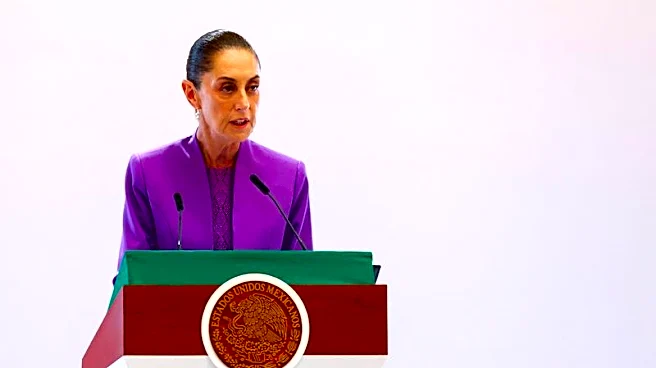
For 2027, the Grito de Dolores will take place on the night of Wednesday, September 15, with the official Independence Day holiday on Thursday, September 16. Travelers and businesses should plan accordingly, as September 16 is a mandatory paid day off in Mexico, leading to closures of many offices and businesses, including the U.S. Embassy and consulates in Mexico. The specific programs for the 2027 celebrations in Mexico City, including performers, start times, and road closures, are yet to be announced. Local authorities will also determine security arrangements and any restrictions on alcohol sales. The tradition of the president leading the Grito ceremony will continue, with President Claudia Sheinbaum expected to lead the 2027 event, assuming she remains in office. Mexican embassies and consulates abroad, including those in the United States, will raise the flag at full mast on both September 15 and 16, and may host public events.
Beyond the Headlines
The persistent confusion between Cinco de Mayo and Mexican Independence Day highlights broader issues of cultural understanding and historical representation, particularly in the United States. While Cinco de Mayo has evolved into a celebration of Mexican-American culture in the U.S., its historical context in Mexico is distinct and less nationally significant than September 16. This discrepancy underscores how historical events can be reinterpreted and gain different meanings across borders and within different cultural contexts. The Grito de Dolores and the subsequent Independence Day celebrations are not just historical commemorations but active performances of national identity, reinforcing collective memory and civic pride. The emphasis on the 'Father of the Nation,' Miguel Hidalgo, and the symbolic re-enactment of his call to arms, serves to continually re-legitimize the foundational narrative of the Mexican state. This annual ritual also provides a platform for political leadership to connect with the populace and reaffirm national values.