





What's Happening?
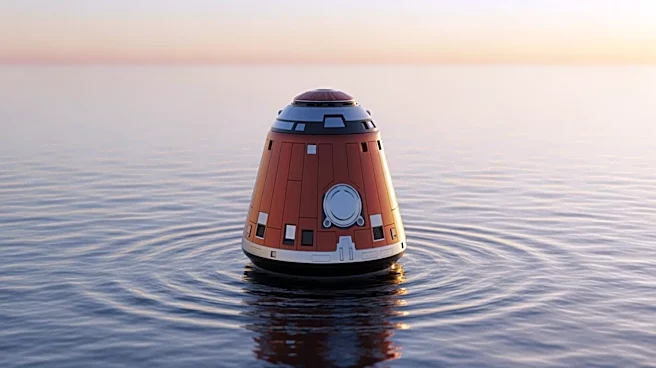
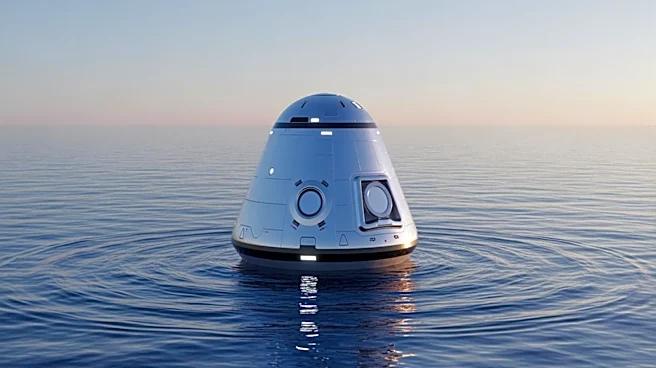
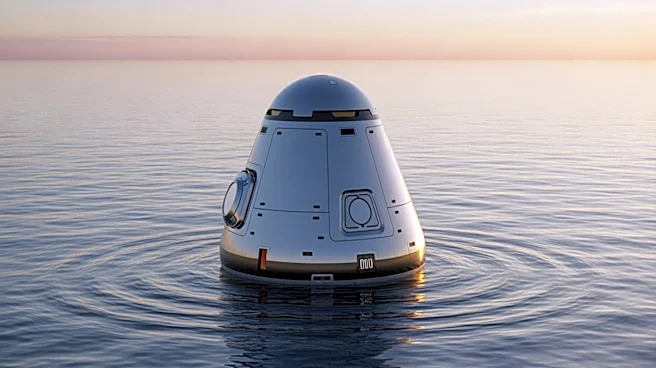
NASA's Artemis II mission has successfully concluded with the splashdown of the Orion spacecraft in the Pacific Ocean on April 10, 2026. The mission marked the first time humans have traveled to the Moon in over 50 years. The crew, consisting of NASA astronauts
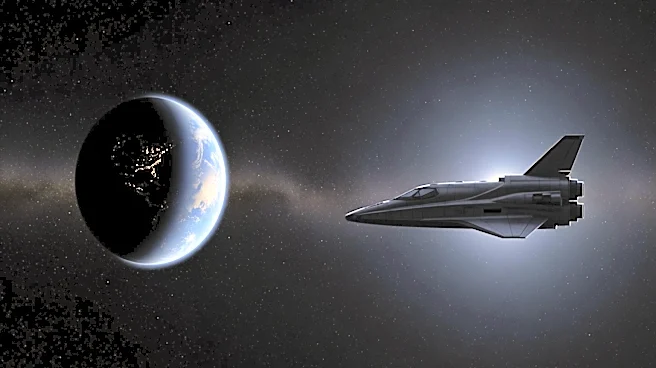
Reid Wiseman, Victor Glover, Christina Koch, and Canadian Space Agency astronaut Jeremy Hansen, completed a 10-day journey that included a record-setting lunar flyby. The mission tested the Orion spacecraft and Space Launch System rocket, achieving a new record for the farthest distance traveled from Earth. NASA leaders held a news conference to discuss the mission's success and the future of the Artemis program, confirming that the spacecraft performed within or above expected parameters during re-entry.
Why It's Important?
The successful completion of Artemis II is a significant milestone for NASA's Artemis program, which aims to return humans to the lunar surface and eventually conduct missions to Mars. The mission demonstrated the capabilities of the Orion spacecraft and the Space Launch System, reinforcing confidence in the technology and planning for future missions. The Artemis II mission also highlighted the importance of international collaboration, with Canadian astronaut Jeremy Hansen participating in the mission. The success of this mission paves the way for Artemis III and IV, with the latter now slated to attempt a lunar landing in 2028.
What's Next?
Following the successful completion of Artemis II, NASA is focusing on the next steps in the Artemis program. Artemis III will serve as a high-Earth orbit docking demonstration with SpaceX's Starship, ensuring the mastery of fuel transfer and docking techniques before attempting a lunar landing. The historic return of humans to the lunar surface is now planned for Artemis IV in late 2028. NASA will continue to analyze data from Artemis II to refine mission plans and ensure the safety and success of future lunar exploration efforts.