
What's Happening?
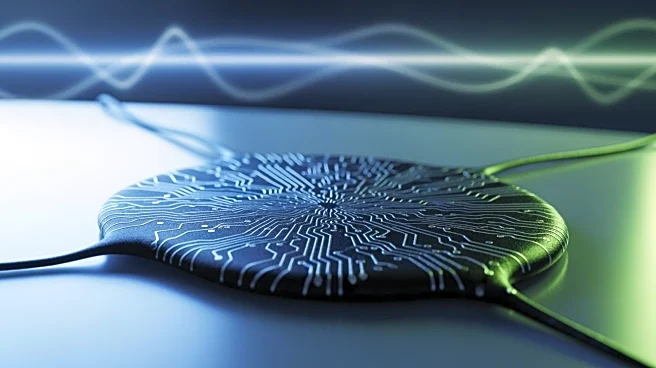
Recent research has focused on the development of screen-printed flexible carbon electrodes designed to enhance neural impulse transmission. These electrodes are intended to address issues related to nervous
system diseases, which can lead to neurological disorders and neuropathies. The study highlights the use of carbon-based materials, such as graphene, graphite, and carbon black, due to their chemical inertness, biocompatibility, and excellent electrical performance. The research employs a screen printing technique to fabricate electrodes, which allows for various shapes and compositions. This approach aims to improve the transmission of nerve signal impulses, potentially offering new solutions for patients with impaired neural conduction.
Why It's Important?
The development of efficient neural impulse transmitters is crucial for advancing treatments for neurological disorders. By improving the transmission of nerve signals, these electrodes could significantly enhance the quality of life for individuals suffering from nervous system diseases. The use of carbon-based materials in electrode fabrication offers promising advantages, including biocompatibility and superior electrical performance, which are essential for implantable devices. This research could pave the way for more effective therapies and management strategies for neuropathies, potentially reducing reliance on conservative treatments like drug therapy and physiotherapy.
What's Next?
Further research and experimentation are expected to continue in the field of neural impulse transmission. The study's findings may lead to the development of more advanced neural interfaces, potentially incorporating other forms of carbon-based materials such as carbon fiber or carbon nanotubes. As the technology progresses, there may be increased collaboration between researchers and medical device manufacturers to bring these innovations to clinical settings. Regulatory approvals and clinical trials will be necessary steps before these electrodes can be widely used in medical treatments.
Beyond the Headlines
The implications of this research extend beyond immediate medical applications. The advancement of neural impulse transmission technology could influence the development of brain-machine interfaces, offering new possibilities for human-computer interaction. Ethical considerations regarding the use of implantable devices and their impact on human autonomy and privacy will need to be addressed as the technology evolves. Additionally, the environmental impact of manufacturing these devices, particularly concerning the sourcing and disposal of carbon-based materials, will be an important factor to consider.