







What's Happening?
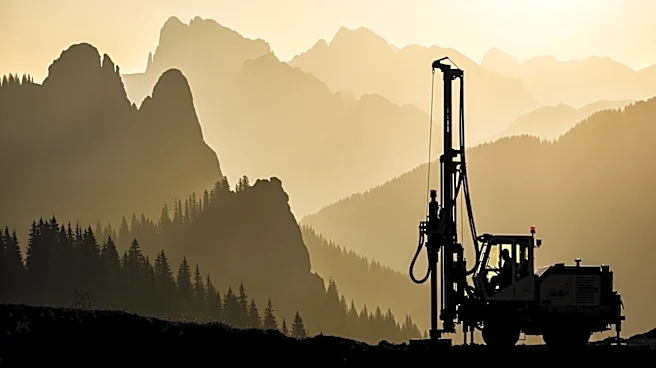
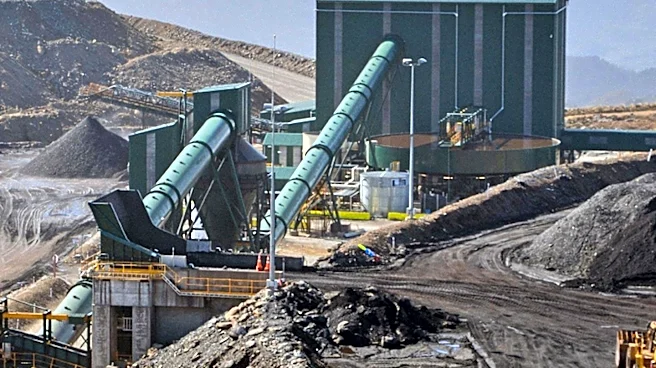
The proposed reopening of the New Polaris gold mine in northern British Columbia has sparked controversy, particularly among Alaskan stakeholders. The mine, located near the Tulsequah River, has raised concerns about potential pollution affecting the Taku
River, a vital salmon habitat. Alaskan advocates argue that pollution from the mine could harm the region's lucrative fishing industry, which supports thousands of jobs. In response to these concerns, Canagold, the company behind the project, has made adjustments to its plans, including eliminating the use of cyanide and considering alternative methods for transporting materials.
Why It's Important?
The reopening of the New Polaris mine has significant implications for cross-border environmental management and economic interests. The potential impact on the Taku River's salmon population could have dire consequences for Alaska's fishing industry, which is a major economic driver in the region. The situation highlights the challenges of balancing resource development with environmental protection, especially in areas with shared natural resources. The controversy also underscores the importance of involving Indigenous communities and stakeholders in decision-making processes to ensure sustainable development.
What's Next?
The public comment period for the project is ongoing, and the outcome will likely influence the final decision on the mine's reopening. Continued dialogue between Canadian and Alaskan authorities, as well as Indigenous groups, will be crucial in addressing environmental concerns and finding a mutually acceptable solution. The situation may also prompt broader discussions on transboundary environmental policies and the need for more robust regulatory frameworks to protect shared ecosystems.
Beyond the Headlines
The New Polaris mine controversy highlights the complex relationship between economic development and environmental stewardship. It raises questions about the long-term sustainability of mining practices and the need for innovative solutions to minimize environmental impact. The case also illustrates the growing influence of Indigenous voices in environmental governance and the importance of respecting traditional knowledge and cultural values in resource management.