




What's Happening?
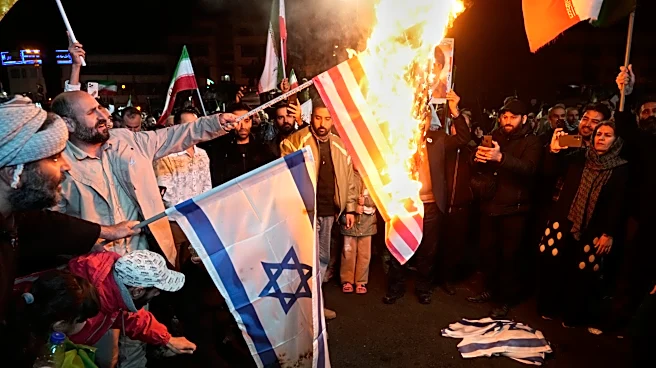
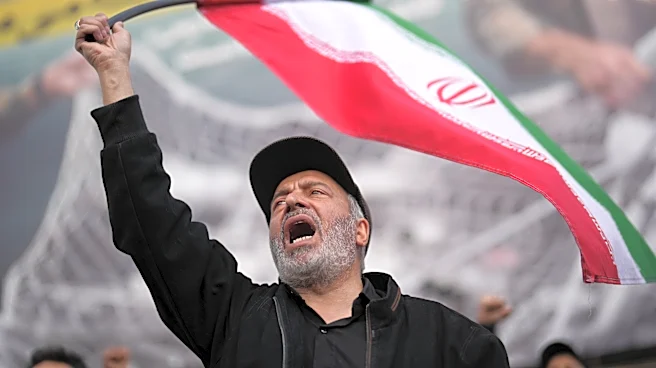
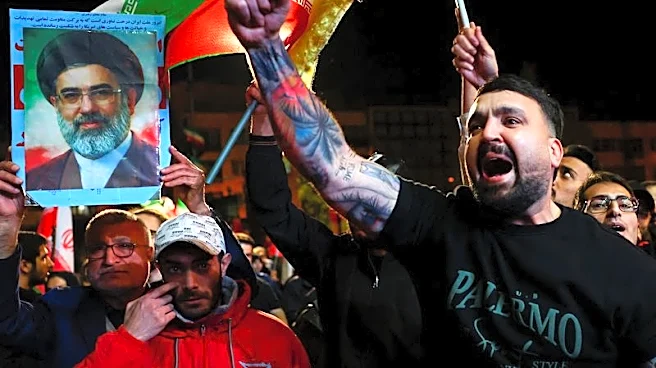
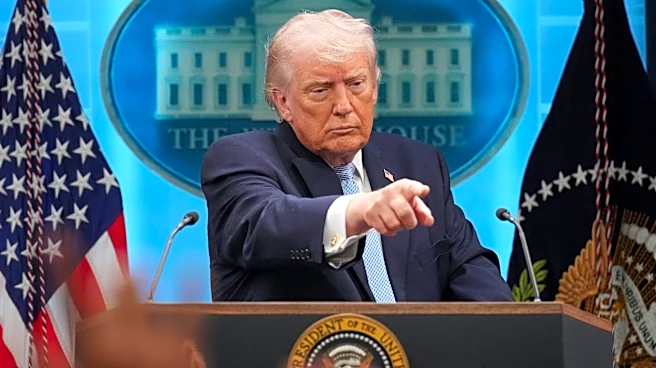
Prime Minister Benjamin Netanyahu and President Trump have refuted claims by Pakistan's Prime Minister Shehbaz Sharif that Lebanon would be included in a ceasefire agreement between the US, Israel, and Iran. The announcement by Sharif suggested that Hezbollah
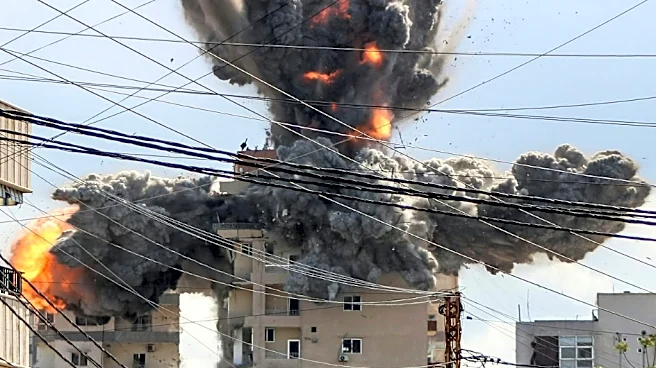
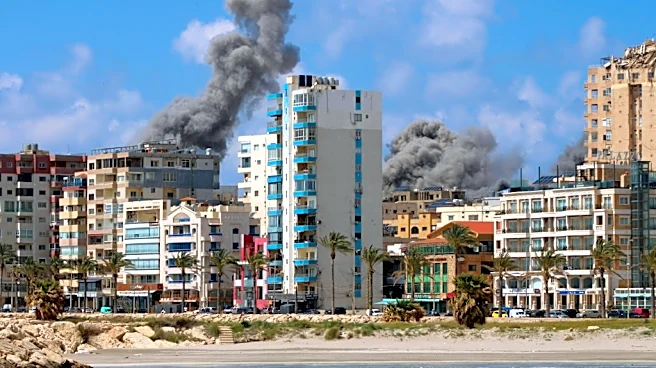
would be part of the ceasefire, following Iran's proposal which demanded Israel halt its strikes on Hezbollah in Lebanon. However, both Netanyahu and Trump have clarified that the ceasefire does not extend to Lebanon, citing Hezbollah's involvement as the reason for exclusion. The Israeli Defense Forces (IDF) have issued evacuation warnings to Lebanese residents in anticipation of further military actions against Hezbollah, emphasizing the need to protect Israel's northern residents from ongoing threats.
Why It's Important?
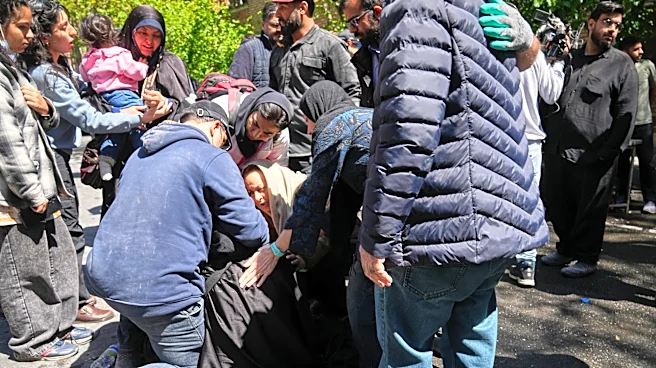
The exclusion of Lebanon from the ceasefire agreement highlights the ongoing complexities in the region, particularly the persistent threat posed by Hezbollah to Israel. This decision underscores the separate nature of the conflict between Israel and Hezbollah, distinct from the broader US-Iran tensions. The continued military operations by Israel in Lebanon could exacerbate humanitarian issues, with significant displacement and casualties already reported. The situation remains volatile, with potential implications for regional stability and international diplomatic efforts aimed at resolving the conflict.
What's Next?
The IDF's continued operations in Lebanon suggest further military engagements, potentially escalating the conflict with Hezbollah. The international community may seek to mediate a resolution, but the entrenched positions of the involved parties could hinder progress. The humanitarian impact in Lebanon is likely to worsen, prompting calls for international aid and intervention. The geopolitical dynamics in the region may shift as countries reassess their alliances and strategies in response to the evolving situation.