





What's Happening?
Libya is experiencing widespread protests due to severe electricity shortages, exacerbated by a blistering heatwave with temperatures exceeding 48 degrees Celsius (118 degrees Fahrenheit). The protests, primarily led by young demonstrators, have resulted
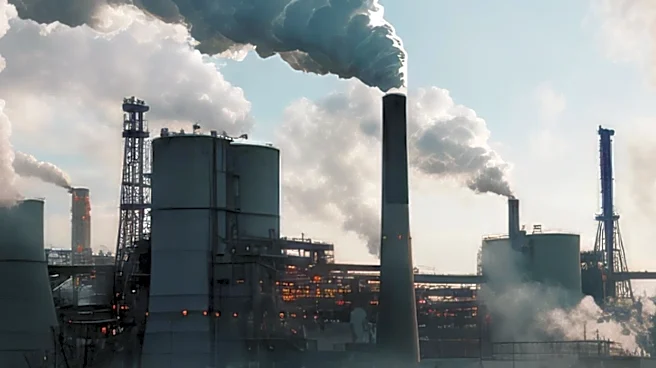
in road blockades, burning of tires, and the obstruction of public buildings in Tripoli. The civil disobedience campaign, initiated by the Souq Al-Jumaa Movement, aims to pressure the Government of National Unity (GNU) to address the deteriorating basic services. The crisis intensified when protesters stormed the Mellitah oil and gas complex, leading to a temporary halt in operations at the El Feel oilfield and partial suspension at the Wafa field, further straining the country's power generation capabilities.
Why It's Important?
The ongoing electricity crisis in Libya highlights the country's fragile infrastructure and the long-standing neglect of its energy sector. The protests underscore the public's frustration with the government's inability to provide reliable power, which is crucial for daily life, especially during extreme weather conditions. The situation also reflects the broader political instability in Libya, where divisions between the internationally recognized GNU and rival factions have hindered effective governance and development. The disruption of oil and gas operations poses a significant threat to Libya's economy, which heavily relies on energy exports, and could have ripple effects on global energy markets.
What's Next?
The GNU faces mounting pressure to stabilize the electricity grid and address the root causes of the energy crisis. This may involve modernizing transmission networks and investing in renewable energy solutions. International actors, including the United States, are likely to continue advocating for political cohesion and security cooperation to prevent further fragmentation of the state. The resolution of the crisis will require coordinated efforts from both domestic and international stakeholders to ensure long-term stability and development in Libya.
Beyond the Headlines
The electricity crisis in Libya is not just a technical issue but a symptom of deeper systemic problems, including corruption and political fragmentation. The reliance on temporary solutions and the failure to complete strategic energy projects have left the country vulnerable to such crises. The situation also raises ethical questions about the responsibility of the government to provide basic services and the role of international actors in supporting Libya's development. The protests could potentially lead to a broader movement demanding political reform and accountability.