



What's Happening?
California, a state often seen as a leader in climate change initiatives, is reportedly falling significantly behind its goal of achieving 100% reliance on clean energy by 2045. A new analysis by the Environmental Working Group (EWG) indicates that the state could
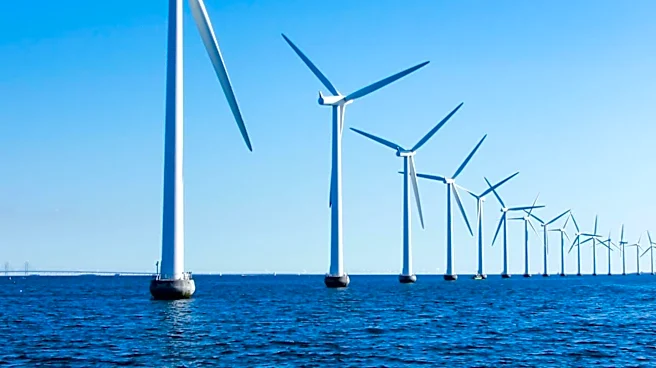
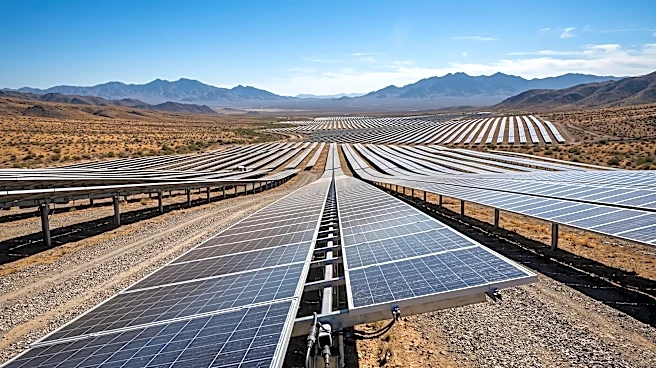
be 18 years behind schedule, potentially not reaching its target until 2062. To meet the 2045 commitment, California needs approximately 240 gigawatts of installed clean energy generating capacity, but currently possesses only about 88 gigawatts, including the Diablo Canyon nuclear power plant. The report highlights that the state would need to build 8 gigawatts of clean energy capacity annually, a rate it has never achieved. While energy demand from the grid remained flat for two decades due to rooftop solar and efficiency investments, this trend is shifting. The California Energy Commission projects increased energy demand from electric vehicles, climate change, and data centers starting in 2025, making the 100% clean electricity target a moving and more challenging goal.
Why It's Important?
The potential delay in California's clean energy transition has significant implications for its climate leadership and environmental goals. Failing to meet the 2045 target could undermine the state's efforts to reduce greenhouse gas emissions and combat climate change, potentially impacting air quality, public health, and natural resources. The increasing energy demand, driven by technological advancements like AI and the adoption of electric vehicles, presents a substantial challenge that requires accelerated clean energy deployment. If California cannot ramp up its clean energy infrastructure development, it risks relying on fossil fuels for longer, contradicting its ambitious climate policies. This situation also highlights the complexities and difficulties in transitioning large economies to entirely clean energy sources, serving as a cautionary tale for other regions with similar aspirations. The economic impact could include higher energy costs if clean energy sources are not deployed efficiently enough to meet rising demand.
What's Next?
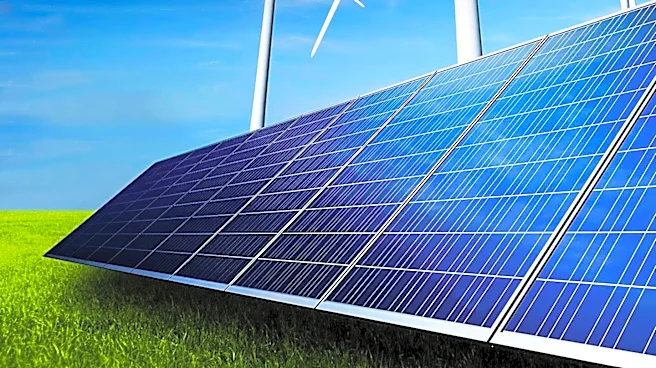
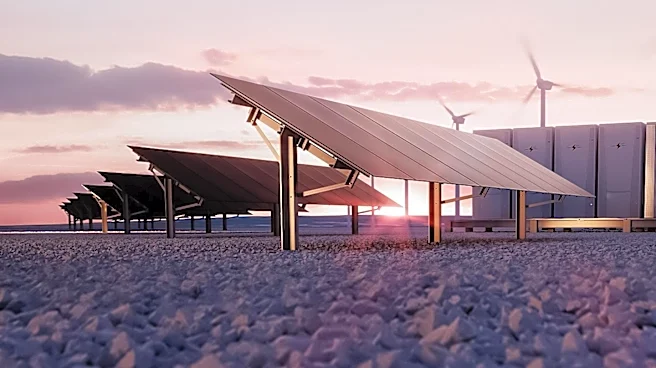
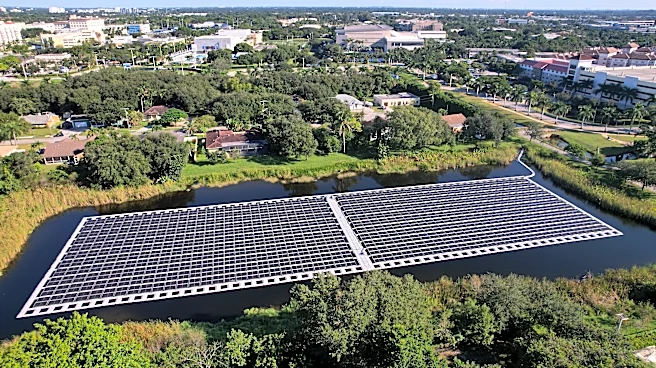
To get back on track, the EWG report suggests that California must prioritize energy efficiency and significantly increase investment in distributed energy resources, particularly rooftop solar. Bernadette Del Chiaro, Senior Vice President for EWG California, advocates for installing solar panels on all available existing buildings, parking lots, and warehouses to minimize environmental impact and reduce permitting delays associated with new infrastructure. However, some experts, like Ethan Elkind of UC Berkeley, question the competitiveness of rooftop solar against utility-scale solar and suggest focusing on reducing rooftop solar costs. The California Public Utilities Commission's latest report, however, indicates a viable pathway to meet the 100% clean electricity target, suggesting differing perspectives on the state's progress. The debate will likely continue regarding the most effective strategies and technologies to accelerate clean energy deployment and meet the ambitious goals.
Beyond the Headlines
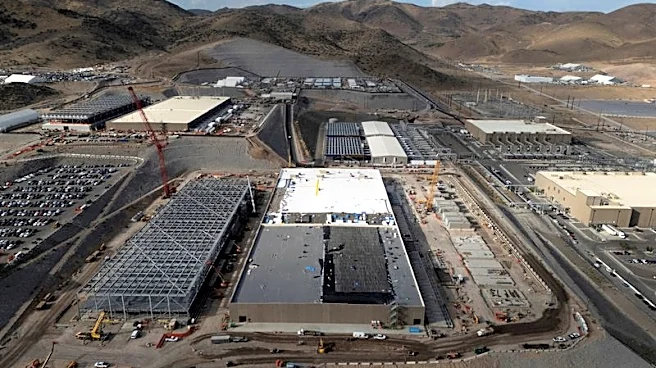
The challenges faced by California underscore a broader national and global dilemma: the tension between ambitious climate goals and the practical realities of infrastructure development, technological adoption, and increasing energy demand. The report implicitly raises questions about the adequacy of current policy frameworks and investment levels to achieve rapid decarbonization. The rising energy consumption from data centers, fueled by AI, introduces a new variable that could significantly complicate clean energy transitions, as these facilities require substantial and reliable power. This situation highlights the need for integrated planning that considers not only energy generation but also demand-side management, energy storage, and grid modernization. The outcome in California could influence how other states and countries approach their clean energy targets, potentially leading to a re-evaluation of timelines and strategies for achieving a fully decarbonized energy system.