



What's Happening?
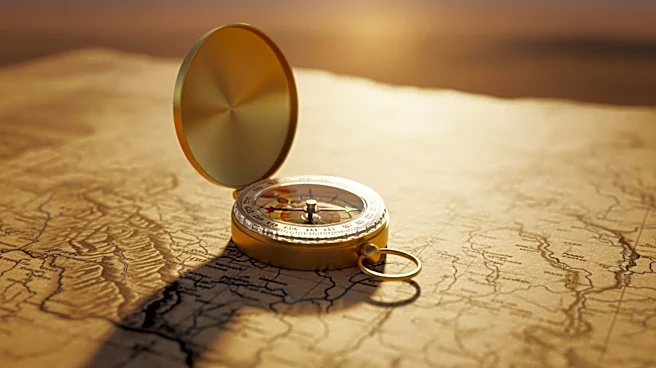
The Smithsonian's National Museum of American History is showcasing a compass used by Meriwether Lewis and William Clark during their expedition following the Louisiana Purchase. This compass, purchased in Philadelphia, played a crucial role in guiding
the explorers through uncharted territories from St. Louis to Oregon. The expedition, commissioned by President Thomas Jefferson, aimed to map the newly acquired land and assess its resources. The compass is part of the museum's exhibit celebrating the 250th anniversary of the Declaration of Independence, highlighting its historical significance in the westward expansion of the United States.
Why It's Important?
The compass symbolizes the era of exploration and expansion that defined early American history. The Lewis and Clark expedition paved the way for the westward expansion, which was driven by the concept of manifest destiny. This expansion had profound effects on the nation's development, including economic growth and territorial acquisition. However, it also led to the displacement and suffering of Native American populations. The exhibit serves as a reminder of the complex legacy of American expansion, highlighting both the achievements and the costs associated with this period.