







What's Happening?
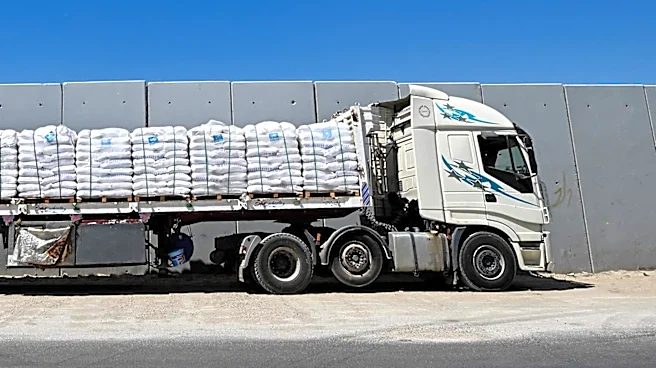
A global hunger monitor has warned that more than two-thirds of Gaza's population could face acute hunger by the end of the year. This situation arises as humanitarian agencies reduce aid flows due to funding shortages. Despite improvements in malnutrition
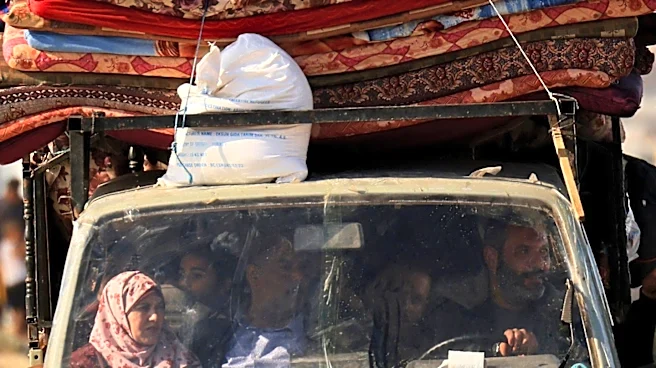
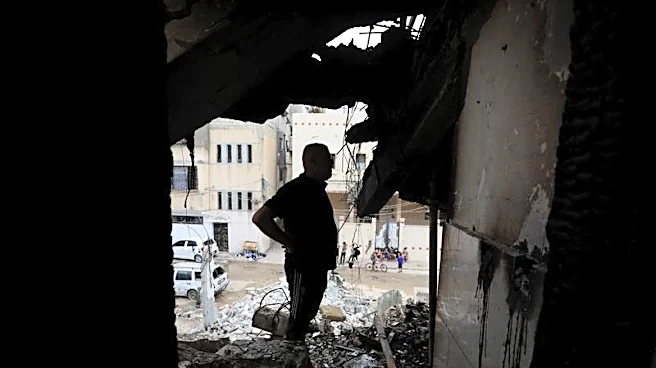
levels following a ceasefire between Israel and Hamas in October 2025, the gains are at risk of being reversed. The report highlights inadequate food consumption and reliance on begging and scavenging among families. The reduction in aid is compounded by the ongoing conflict and the fragile state of Gaza's infrastructure.
Why It's Important?
The potential hunger crisis in Gaza underscores the severe humanitarian challenges faced by the region. With the majority of the population dependent on aid, any reduction in support could lead to widespread suffering and instability. The situation also reflects broader geopolitical tensions, as the conflict between Israel and Hamas continues to impact civilian lives. The international community's response to this crisis will be crucial in preventing further deterioration and addressing the root causes of the conflict.
What's Next?
Humanitarian organizations and international stakeholders will need to mobilize resources to address the funding shortfalls and ensure continued aid delivery to Gaza. Diplomatic efforts may be necessary to secure a more stable ceasefire and facilitate the rebuilding of Gaza's infrastructure. The situation calls for a coordinated international response to prevent a humanitarian disaster and promote long-term peace and stability in the region.