






What's Happening?
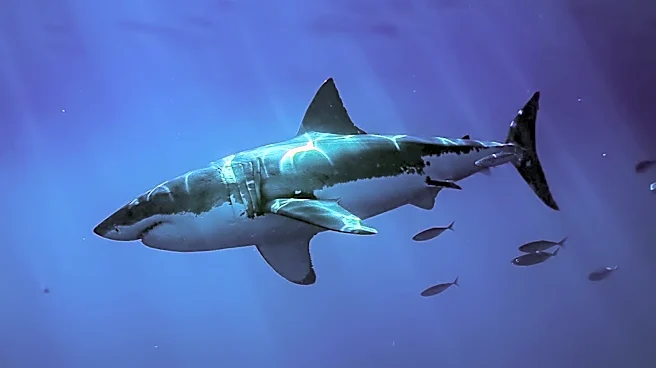
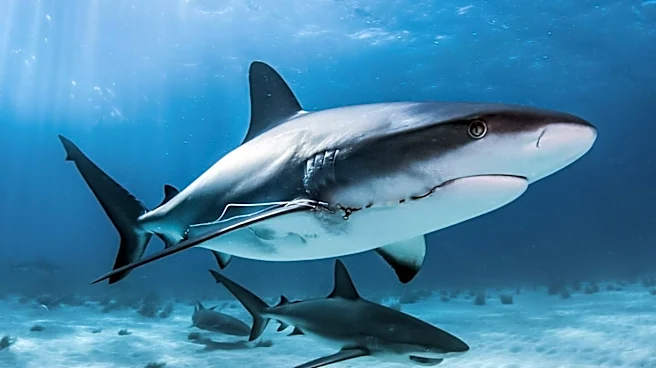
The intensifying El Niño phenomenon is predicted to bring an influx of unusual marine life, including sharks and sea snakes, to the California coast. Warmer waters are expected to attract species like tiger sharks, bull sharks, and hammerhead sharks, which
are typically not found in these regions. The Shark Lab at Long Beach State University is preparing the public for increased interactions with these marine animals. The phenomenon alters marine ecosystems by shifting the distribution of species and their prey, leading to a 'sharky summer' with potential impacts on local marine activities.
Why It's Important?
El Niño's impact on marine life distribution poses challenges for coastal communities, affecting fishing, tourism, and public safety. The arrival of non-native species can disrupt local ecosystems and alter food chains, with potential economic and environmental consequences. Understanding these changes is crucial for developing strategies to mitigate risks and adapt to shifting marine conditions. The situation also highlights the broader implications of climate variability on global marine ecosystems and the need for comprehensive monitoring and research.
What's Next?
Scientists and local authorities will continue to monitor marine life patterns and provide guidance to the public on safety measures. Educational campaigns may be launched to inform beachgoers, fishermen, and surfers about the potential presence of unusual marine species. Research efforts will focus on understanding the long-term effects of El Niño on marine biodiversity and developing adaptive management strategies. As climate patterns evolve, ongoing collaboration between scientists, policymakers, and communities will be essential to address the challenges posed by these environmental changes.