
What's Happening?
The U.S. Department of Agriculture (USDA) has announced new requirements aimed at increasing the availability of healthy food options for participants in the Supplemental Nutrition Assistance Program (SNAP).
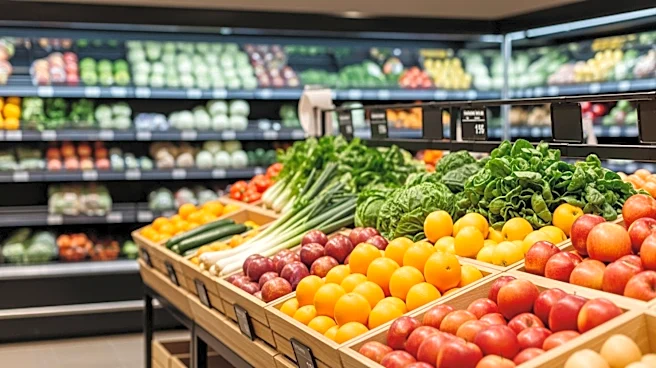
These changes, set to take effect in the fall, mandate that authorized retailers stock at least seven varieties of items across four key food groups: protein, grains, dairy, and fruits and vegetables. This initiative is designed to increase the availability of perishable and whole foods while closing loopholes that previously allowed certain snacks to be counted as staple foods. The USDA's updated guidelines also aim to enhance accountability among retailers and prevent program violations such as benefit trafficking and fraud. Over the past year, nearly 3,200 retailers have faced penalties for not meeting food stocking standards or maintaining required standards.
Why It's Important?
This development is significant as it directly impacts the nutritional quality of food available to SNAP beneficiaries, who number nearly 500,000 in South Carolina alone. By ensuring a wider variety of healthy food options, the USDA is addressing public health concerns related to diet and nutrition among low-income populations. The emphasis on whole foods and the elimination of loopholes in stocking requirements are expected to improve dietary outcomes for SNAP users, potentially reducing health disparities. Additionally, the strengthened accountability measures are crucial for maintaining the integrity of the SNAP program, ensuring that benefits are used appropriately and effectively.
What's Next?
As the new requirements are implemented, retailers will need to adjust their inventory to comply with the updated standards. This may involve logistical changes and increased costs for some businesses, particularly smaller retailers. The USDA will likely monitor compliance closely and continue to enforce penalties for non-compliance. Stakeholders, including public health advocates and SNAP beneficiaries, will be watching to see how these changes affect food availability and quality. The success of this initiative could lead to further policy adjustments aimed at improving nutrition and health outcomes for low-income Americans.