
What's Happening?
Labor Day in 2026 is scheduled for Monday, September 7th, marking its observance as a national holiday in the United States. This federal holiday celebrates the contributions of the labor movement and
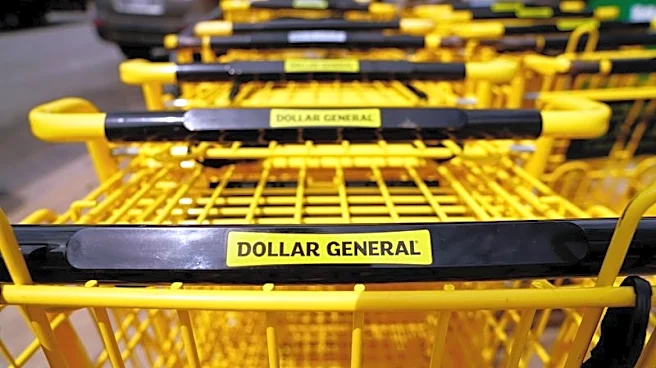
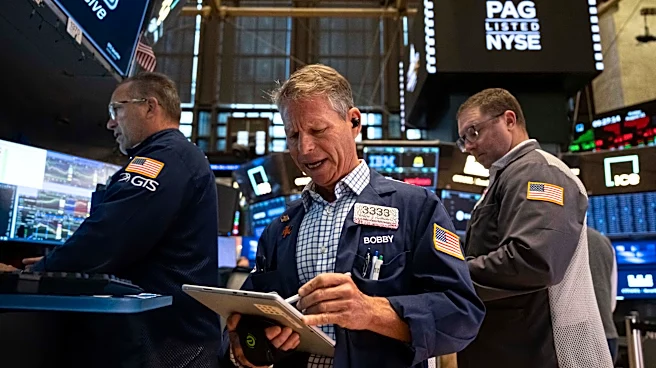
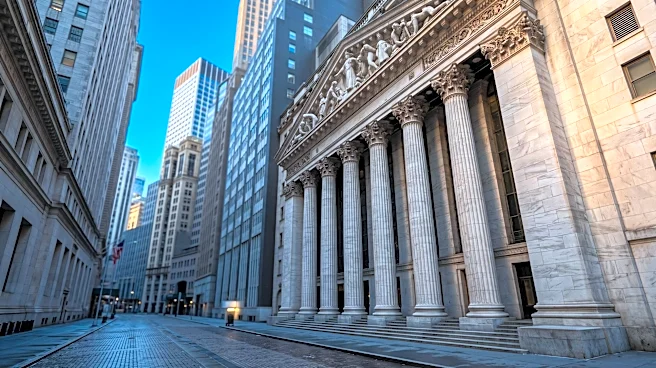
American workers, and it traditionally signifies the unofficial end of summer. As a federal holiday, many government offices, including post offices, and most banks will be closed. The New York Stock Exchange, Nasdaq, and bond markets will also be closed. Federal employees are generally granted the day off, though policies for private-sector workers may vary by employer. While essential services like ATMs and online banking will remain accessible, regular mail delivery by the U.S. Postal Service will be suspended, with only Priority Mail Express holiday delivery potentially available. Other delivery services such as FedEx and UPS will not operate, except for critical deliveries. Many retailers, including major chains like Walmart and Target, are expected to remain open, though some may operate with reduced hours. Grocery stores like Stop & Shop and ShopRite will maintain regular hours, while Aldi will have limited hours.
Why It's Important?
The observance of Labor Day as a federal holiday has significant implications for various sectors across the U.S. economy and society. For workers, it provides a mandated day of rest, acknowledging the historical struggles and achievements of the labor movement in securing fair wages and working conditions. This annual pause in regular operations impacts productivity across industries, particularly in finance and government, due to the closure of stock markets and federal offices. Conversely, the holiday weekend often stimulates consumer spending, as many retailers offer significant sales, contributing to the retail sector's revenue. The closure of banks and mail services necessitates advance planning for individuals and businesses, affecting financial transactions and logistics. The varying operational status of businesses highlights the decentralized nature of holiday observance in the private sector, where employers balance employee benefits with business continuity and consumer demand. This balance underscores the ongoing tension between worker rights and economic activity, a core theme of Labor Day itself.
What's Next?
Following the Labor Day observance on September 7, 2026, normal business operations will resume across most sectors on Tuesday, September 8. City offices that were closed will reopen, and regular schedules for services like trash collection, which may have been delayed in some areas, will recommence. For consumers, the Labor Day weekend sales are expected to conclude, although some retailers might extend promotions. Businesses that experienced closures or reduced operations will return to their standard operating hours. The next federal holiday after Labor Day will be Columbus Day, scheduled for Monday, October 12, 2026. This upcoming holiday will bring a similar pattern of closures for federal offices and banks, while many private businesses will continue to operate, indicating another period of adjusted schedules and potential retail activity.
Beyond the Headlines
Labor Day's significance extends beyond a mere day off, serving as a cultural marker for the end of summer and a period of reflection on the American workforce. The holiday's timing often coincides with back-to-school preparations, influencing consumer spending patterns towards educational supplies and fall apparel. The tradition of Labor Day sales, while economically beneficial for retailers, also subtly shifts the holiday's focus from its original intent of celebrating labor to a consumer-driven event. This commercialization can sometimes overshadow the historical context of the labor movement and the ongoing discussions about workers' rights, wages, and working conditions. The varying levels of observance between federal and private sectors also highlight disparities in employee benefits and the influence of labor laws across different industries. Ultimately, Labor Day encapsulates a complex interplay of historical commemoration, economic activity, and societal traditions, reflecting the evolving nature of work and leisure in the U.S.