






What's Happening?
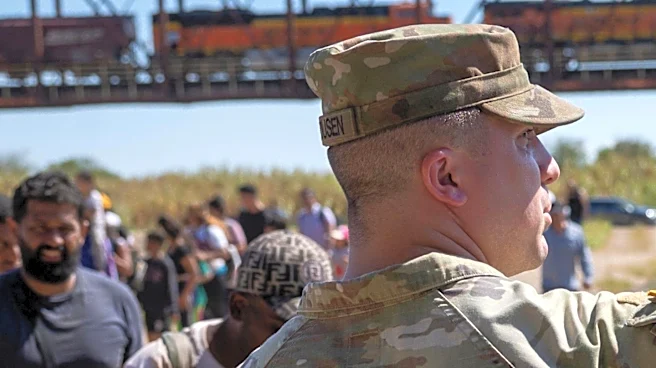
The U.S. Army is actively recruiting for the role of Civil Affairs Specialist (38B), a position designed to serve as a crucial link between the Army and local civilian populations worldwide. These specialists are tasked with identifying critical resources
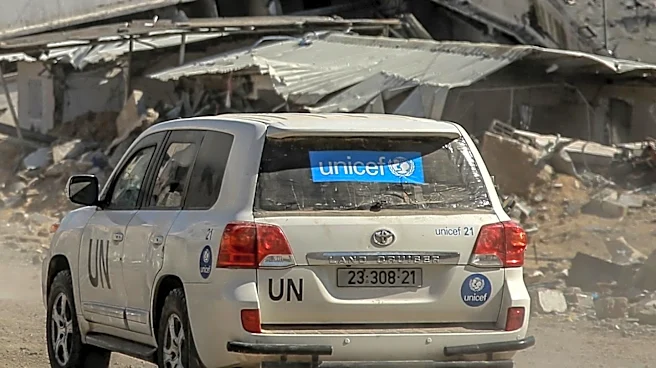
that local citizens may require during military missions or crisis situations. A key aspect of the role involves fostering and maintaining dialogue with civilian aid agencies and various civilian relief and assistance organizations. Civil Affairs Specialists are also responsible for coordinating, conducting, and participating in the planning and production of documents related to civil affairs. The requirements for this position include being a U.S. Citizen, between 17 and 34 years old, possessing a high school diploma or GED, meeting tattoo guidelines, and having no major law violations or medical concerns.
Why It's Important?
The recruitment for Civil Affairs Specialists underscores the U.S. Army's recognition of the increasing importance of civil-military cooperation in modern global operations. These specialists are vital for ensuring that military actions are conducted with an understanding of and sensitivity to local populations' needs, which can significantly impact the success and legitimacy of missions. By facilitating communication and coordination with civilian aid organizations, they help to prevent unintended negative consequences of military presence and enhance humanitarian outcomes. This role is critical for building trust and stability in regions where the U.S. Army operates, contributing to long-term security objectives beyond purely military engagements. The emphasis on cultural awareness and humanitarian aid in the training highlights a strategic shift towards more comprehensive and integrated approaches to international engagement.
What's Next?
Prospective candidates for the Civil Affairs Specialist role will undergo a rigorous training program, including 10 weeks of Basic Training and 13 weeks of Advanced Individual Training. This training will equip them with essential skills in civil affairs, cultural awareness, communications, and humanitarian aid. Upon completion, these specialists will be deployed globally to support U.S. Army missions, working to bridge the gap between military operations and civilian needs. The Army will continue to emphasize the development of these specialized skills to adapt to evolving geopolitical landscapes and the increasing complexity of international humanitarian and security challenges. The ongoing recruitment suggests a sustained commitment by the U.S. Army to integrate civil affairs into its operational planning and execution.
Beyond the Headlines
The role of a Civil Affairs Specialist reflects a broader evolution in military doctrine, moving beyond traditional combat roles to encompass comprehensive approaches to conflict and stability. This specialization acknowledges that winning hearts and minds is often as crucial as military victories, particularly in counterinsurgency and stability operations. The emphasis on cultural awareness and communication skills highlights a recognition of the soft power aspects of military engagement, where understanding local customs and building rapport can be more effective than force alone. This shift also raises ethical considerations regarding the blurring lines between military and humanitarian roles, and the potential for aid to be perceived as politicized. Ultimately, the success of these specialists can significantly influence the U.S.'s global standing and its ability to foster long-term partnerships and stability in complex environments.