


What's Happening?
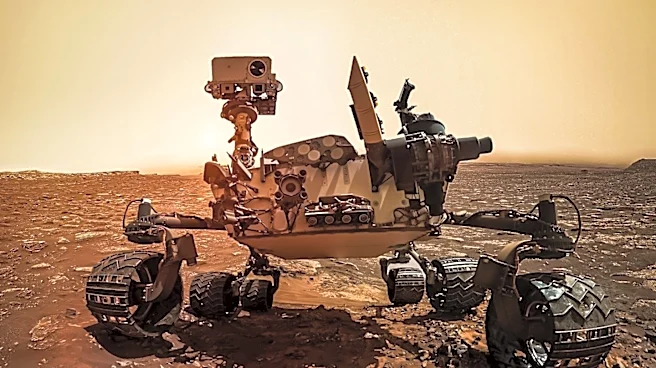
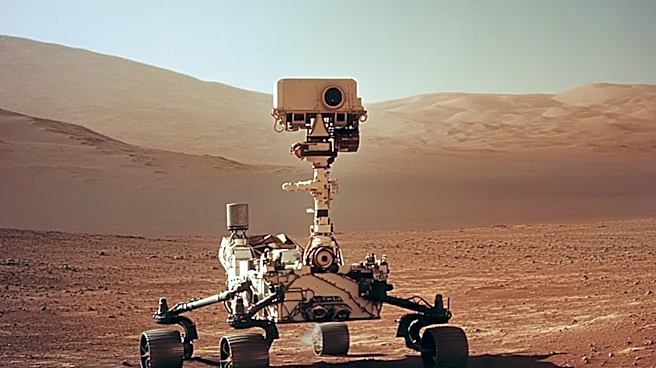
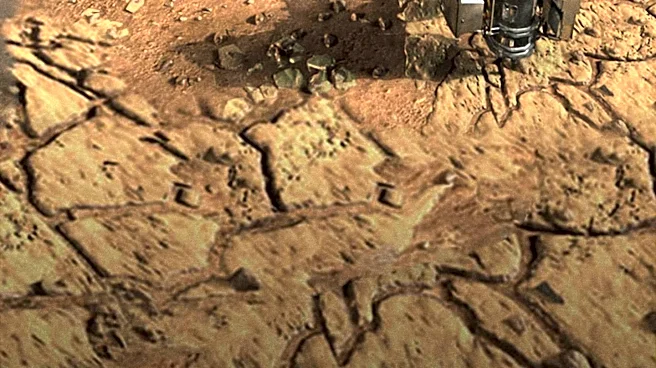
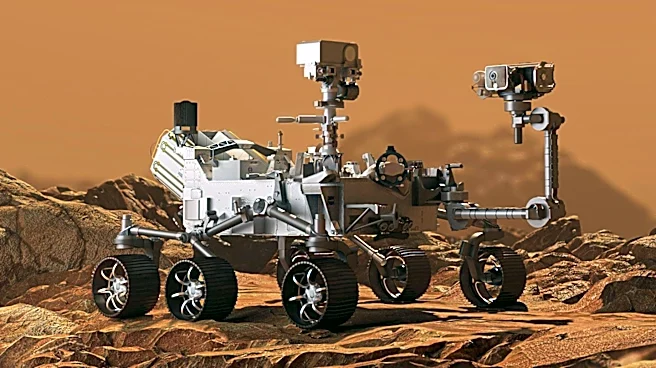
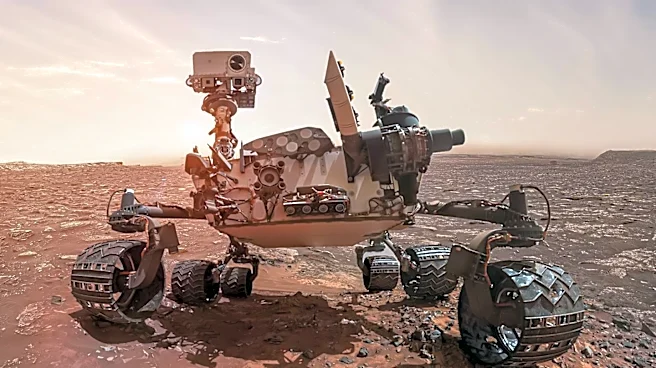
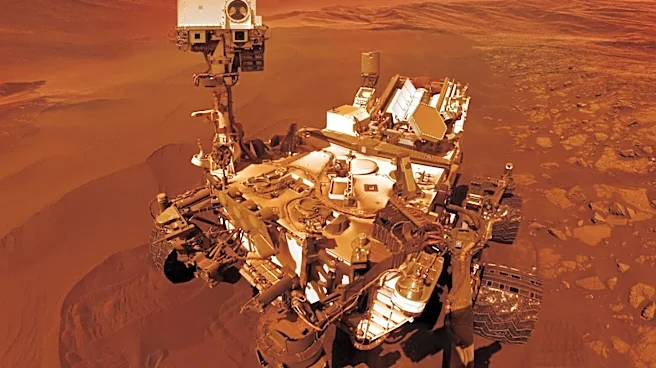
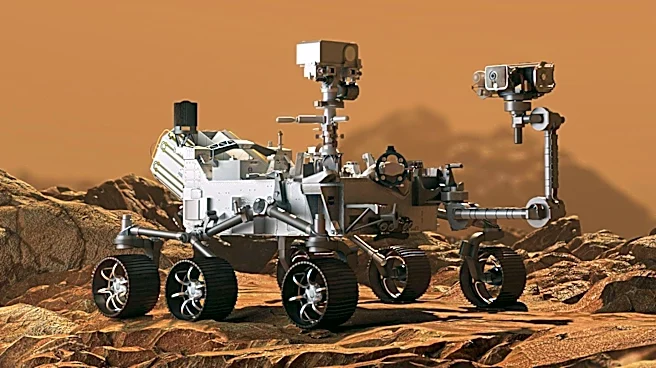
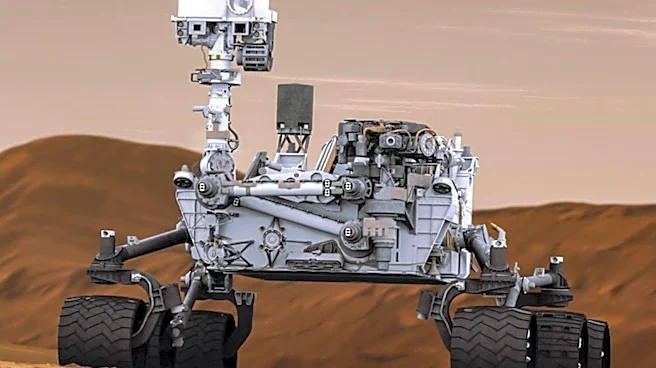
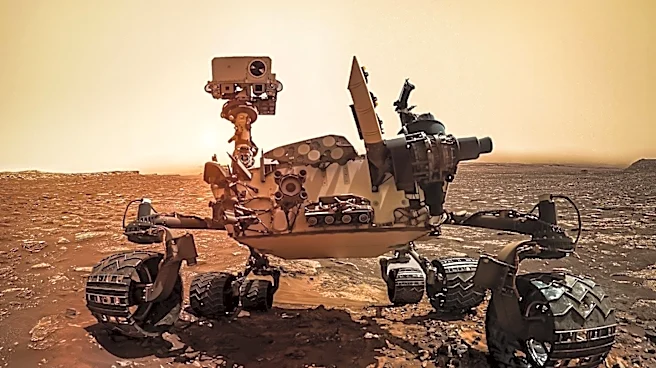
NASA's Curiosity rover has discovered a unique landscape on Mars, characterized by honeycomb-like patterns known as polygonal fractures. These formations, located in a Martian valley called 'Valle Grande,' measure between 1.5 to 3 inches across. The rover captured
a 360-degree panorama of these formations during its 4,930th and 4,931st Martian days. The patterns extend across the terrain and climb the sides of a nearby butte named 'Miraflores.' Scientists are investigating the origins of these formations, which may have resulted from processes such as drying mud cracks, repeated warming and cooling, or compression forcing water out of sediment.
Why It's Important?
The discovery of these polygonal fractures is significant as it adds to the understanding of Mars' geological history. The formations could provide clues about the planet's past environmental conditions, including the presence of water. This finding is part of Curiosity's broader mission to explore Mars' potential to have supported microbial life. The rover has previously found evidence of ancient lakes and streams, as well as carbon-based molecules that could be precursors to RNA and DNA. These discoveries collectively enhance the scientific community's understanding of Mars' capacity to support life and its geological evolution.
What's Next?
Scientists will continue to analyze the data collected by Curiosity to determine the processes that led to the formation of the honeycomb patterns. This analysis could involve comparing the new data with previous findings from other Martian sites. The ongoing research aims to deepen the understanding of Mars' geological processes and its potential habitability. Future missions may build on these findings to further explore the planet's history and its capacity to support life.
Beyond the Headlines
The discovery of the honeycomb landscape on Mars highlights the complexity of the planet's geological history. It underscores the importance of robotic exploration in uncovering the mysteries of other planets. The findings also raise questions about the potential for similar geological processes on Earth and other celestial bodies. As scientists continue to study these formations, they may gain insights into the broader processes that shape planetary surfaces across the solar system.