






What's Happening?
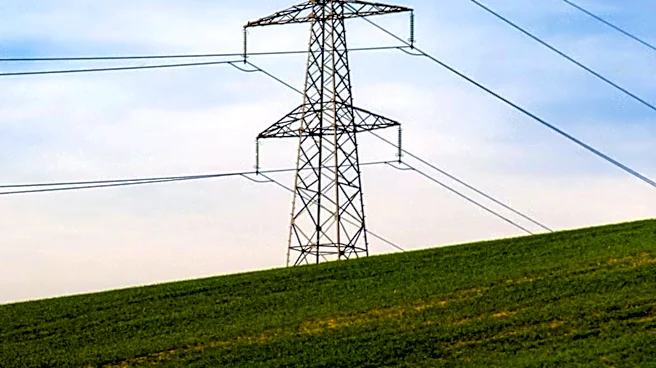
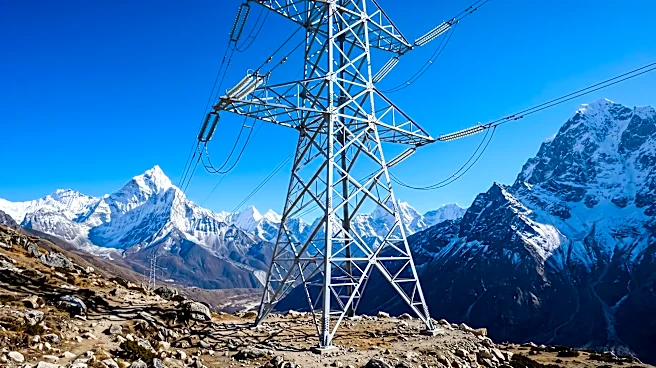
Nepal's Ministry of Energy, Water Resources and Irrigation is actively coordinating efforts to remove hurdles impeding the construction of transmission lines across the country. Energy Minister Biraj Bhakta Shrestha has initiated measures to ensure the timely
completion of these projects, which are vital for the national power system. A recent briefing with project chiefs from 12 ongoing transmission line projects revealed significant obstacles, primarily related to obtaining permission for tree cutting from the Department of Forests and insufficient time from the Department of Roads for relocating poles and towers. According to Amshu Kiran Shahi, a Board of Director member of Nepal Electricity Authority (NEA), the ministry is now coordinating with other ministries to resolve these issues. Navraj Ojha, Deputy Managing Director of the NEA, indicated that all 12 projects are expected to be completed within the current year, with some, like the Hetauda-Dhalkebar 400 kV transmission line, projected for completion by November.
Why It's Important?
The timely completion of these transmission line projects is crucial for strengthening Nepal's national power system and addressing persistent issues of frequent power outages and tripping in various regions. As the 'backbone' of the power system, these infrastructure developments are essential for reliable electricity supply, which underpins economic activity and improves the quality of life for citizens. Delays in such projects can lead to energy insecurity, hinder industrial growth, and increase operational costs for businesses and households. By resolving inter-ministerial coordination issues, the Energy Ministry aims to streamline project execution, ensuring that critical energy infrastructure is delivered efficiently. This proactive approach can prevent future energy crises and support the country's broader development goals by providing a stable and robust power grid.
What's Next?
The Ministry of Energy, Water Resources and Irrigation will continue its inter-ministerial coordination to resolve outstanding issues with the Department of Forests and the Department of Roads. Minister Shrestha has assured project chiefs that problems falling under the jurisdiction of different ministries will be addressed promptly. Project chiefs have been directed to complete their projects on time and to immediately report any new challenges to the ministry for swift resolution. The goal is to connect the transmission lines to the main grid within a minimum of six months and a maximum of one year, which is expected to significantly alleviate power supply problems in the affected areas. Continued monitoring and support from the ministry will be critical to maintaining the momentum and ensuring that the projects meet their revised completion timelines.
Beyond the Headlines
The challenges faced by Nepal's transmission line projects highlight a common issue in infrastructure development globally: the complexities of inter-agency coordination and environmental regulations. While essential for protecting natural resources, environmental clearances, such as those for tree cutting, can often become bottlenecks if not managed efficiently. Similarly, coordination with road authorities for utility relocation is a frequent point of delay. This situation underscores the need for integrated planning and a 'whole-of-government' approach to large-scale infrastructure projects. Successfully navigating these bureaucratic hurdles not only accelerates project delivery but also sets a precedent for future developments, potentially leading to more streamlined processes and a more predictable investment environment for critical national infrastructure.