




What's Happening?
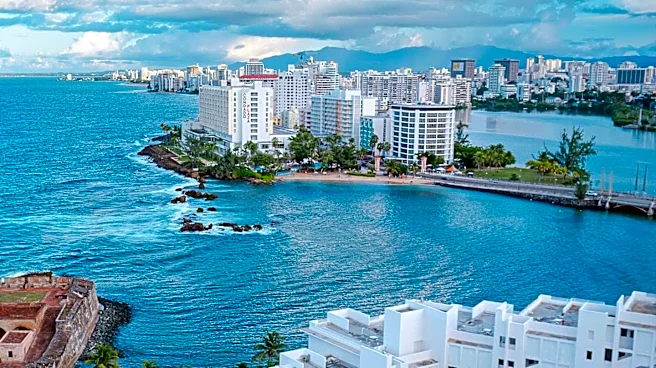
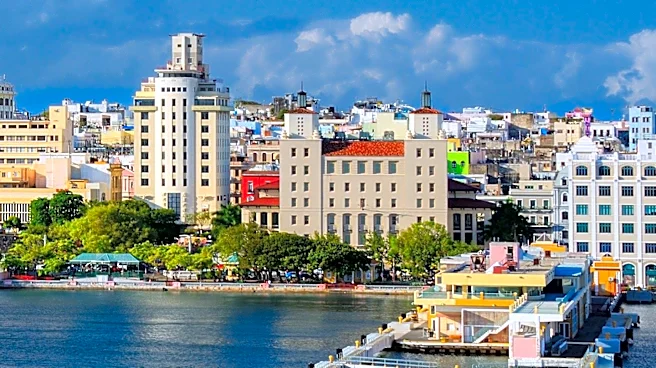
The ongoing water crisis in Puerto Rico has been attributed to federal neglect and restrictive aid conditions imposed by Congress. Despite the allocation of over $42.5 billion in disaster relief following Hurricane Maria, only a fraction of these funds
have been disbursed due to bureaucratic hurdles. The island's infrastructure, particularly its electrical grid, remains in disrepair as federal oversight mechanisms delay the release of funds. This has led to severe water shortages, forcing many Puerto Ricans to rely on water trucks and natural springs. The situation has prompted a significant emigration wave to mainland states, as residents seek better living conditions.
Why It's Important?
The water crisis in Puerto Rico highlights the broader issue of how U.S. territories are treated in terms of federal aid and support. The delays in fund disbursement and the stringent conditions imposed on Puerto Rico reflect a systemic issue of neglect that could have long-term socio-economic impacts. The crisis not only affects the daily lives of Puerto Ricans but also has political implications, as the diaspora in swing states could influence future elections. Addressing these issues is crucial for ensuring equitable treatment of all U.S. territories and maintaining the integrity of federal support systems.
What's Next?
The resolution of Puerto Rico's water crisis will require significant changes in federal policy and oversight. There is a need for streamlined processes to ensure timely disbursement of allocated funds. Additionally, political advocacy from the Puerto Rican diaspora could pressure Congress to address these issues more effectively. The situation also calls for a reevaluation of the federal government's approach to disaster relief and infrastructure support in U.S. territories.