




What's Happening?
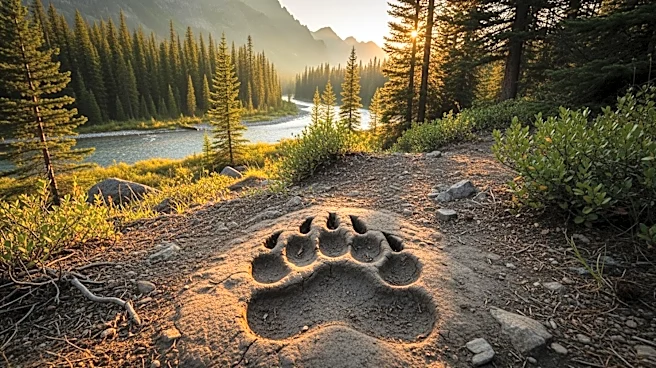
A Republican Representative, Ryan Zinke from Montana, has called for the removal of federal protections for grizzly bears after two separate bear attacks in U.S. national parks. The incidents, which occurred in Glacier and Yellowstone National Parks,
resulted in the death of a hiker and serious injuries to two others. Zinke argues that grizzly bear populations have recovered beyond sustainable levels and should be delisted to allow states to manage them more effectively. The call for delisting has sparked debate, with some arguing that humans should accept the risks of hiking in bear habitats rather than altering wildlife protections.
Why It's Important?
The proposal to delist grizzly bears from federal protection could significantly impact wildlife management and conservation efforts in the U.S. If enacted, it would transfer management authority from federal to state agencies, potentially altering how bear populations are controlled and conserved. This move could affect tourism and outdoor recreation in national parks, as well as the ecological balance in these regions. The debate highlights the ongoing tension between human recreational activities and wildlife conservation, raising questions about how best to coexist with nature while ensuring public safety.
What's Next?
The U.S. Fish and Wildlife Service previously rejected requests to delist grizzly bears, citing that populations had met recovery goals but should remain protected. Any change in policy would require a reassessment of current conservation strategies and could face legal challenges from environmental groups. States like Montana, Wyoming, and Idaho, which have significant bear populations, would need to develop management plans to address both conservation and public safety concerns. The discussion is likely to continue as stakeholders weigh the benefits and risks of altering current protections.