






What's Happening?
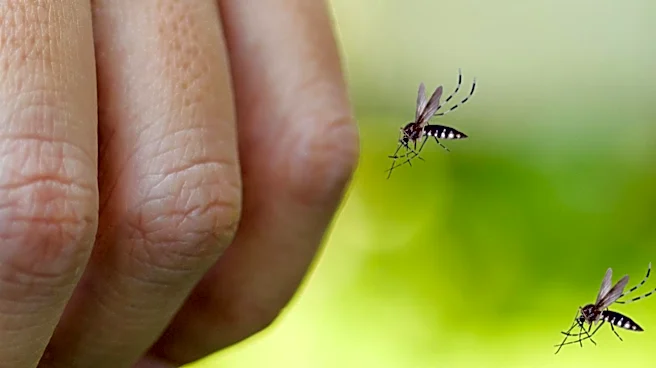
Edmonton is experiencing its worst mosquito season in decades, with mosquito trap counts skyrocketing from an average of 21 to 20,000 in just seven weeks. The primary culprit is the Aedes vexans species, which thrives in wet conditions and can develop
from egg to adult in just five days. This species is known for its stealthy bites on large mammals and is most active at dawn and dusk. The city of Edmonton has been using biological pesticides to control mosquito larvae in ditches and other ground habitats, but adult mosquitoes migrating from surrounding areas remain a challenge. The city has ceased using methods like DDT spraying and fogging for adult mosquitoes, focusing instead on larvicide treatments.
Why It's Important?
The surge in mosquito populations poses significant public health and quality of life concerns for Edmonton residents. While the Aedes vexans species is not a primary vector for West Nile virus, the increased mosquito activity raises the potential for disease transmission and discomfort. The city's approach to mosquito control, which focuses on larval treatment rather than adult mosquito eradication, highlights the challenges of managing mosquito populations in urban areas. This situation underscores the importance of community involvement in mosquito control, such as eliminating standing water and using personal protective measures like repellents.
What's Next?
Edmonton's mosquito control efforts will continue to focus on larval treatment, with the city advising residents to take personal precautions against mosquito bites. The effectiveness of these measures will largely depend on weather conditions, as rain can trigger new mosquito hatchings. Residents are encouraged to report standing water to city authorities for inspection and treatment. The city will likely continue to monitor mosquito populations and adjust its strategies as needed, while residents may need to remain vigilant in their personal mosquito control efforts throughout the summer.
Beyond the Headlines
The current mosquito surge in Edmonton highlights broader environmental and public health challenges. The reliance on biological pesticides and the cessation of adult mosquito fogging reflect a shift towards more sustainable and environmentally friendly pest control methods. However, this approach also places greater responsibility on individuals and communities to manage mosquito populations. The situation in Edmonton may serve as a case study for other regions facing similar challenges, emphasizing the need for integrated pest management strategies that balance environmental concerns with public health needs.