

What's Happening?
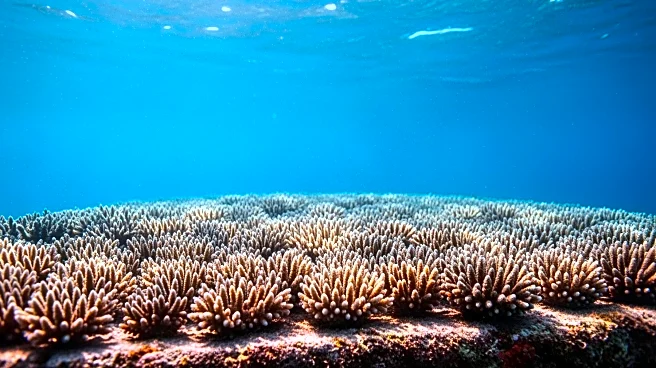
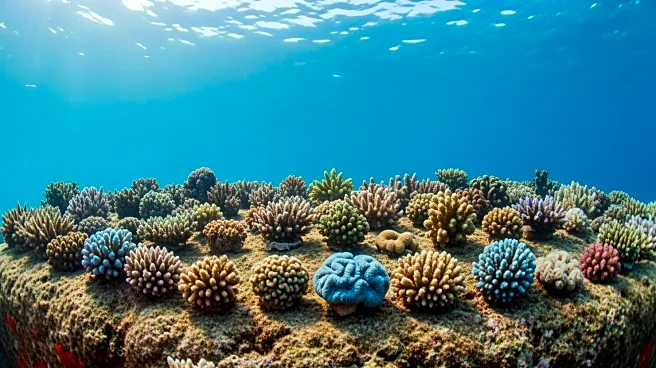
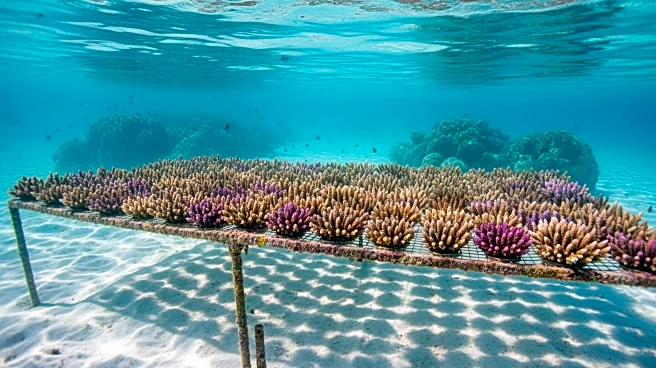
The University of Hawai'i, in collaboration with Old Dominion University and American Samoa Community College, has received a $4.6 million grant from the National Oceanic and Atmospheric Administration. This funding is aimed at coral reef restoration
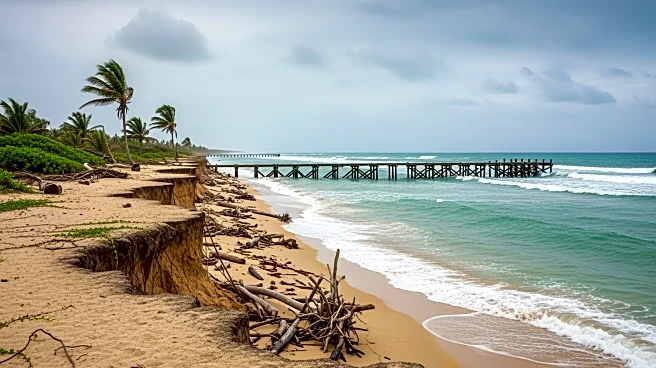
in American Samoa, where sea levels are rising at a rate four times faster than the global average. The initiative seeks to combat coastal erosion and provide a model for similar efforts on other islands. Kelley Anderson Tagarino, associated with the UH Sea Grant College Program, highlighted the development of a new workforce program as part of this project. The restoration efforts are crucial as predictions indicate that some coastal areas could be submerged by the end of the century.
Why It's Important?
This initiative is significant as it addresses the urgent environmental challenges posed by rising sea levels, particularly in American Samoa. Coral reefs play a critical role in protecting coastlines from erosion and supporting marine biodiversity. The success of this project could serve as a blueprint for other regions facing similar threats, potentially influencing global strategies for coastal protection and climate change adaptation. The funding also supports workforce development, which could enhance local economies and provide new job opportunities in environmental conservation.
What's Next?
The project will likely involve extensive research and collaboration among the participating institutions to develop effective restoration techniques. Monitoring and evaluation will be crucial to assess the impact of the restoration efforts on coastal erosion and marine ecosystems. The outcomes could inform future policies and funding decisions related to climate change adaptation and environmental conservation. Stakeholders, including local communities and governments, may need to engage in ongoing dialogue to ensure the project's success and sustainability.
Beyond the Headlines
The project highlights the broader implications of climate change on small island communities, which are often disproportionately affected by environmental changes. It underscores the need for international cooperation and investment in sustainable development practices. The initiative also raises awareness about the importance of preserving marine ecosystems, which are vital for global biodiversity and the livelihoods of millions of people worldwide.