




What's Happening?
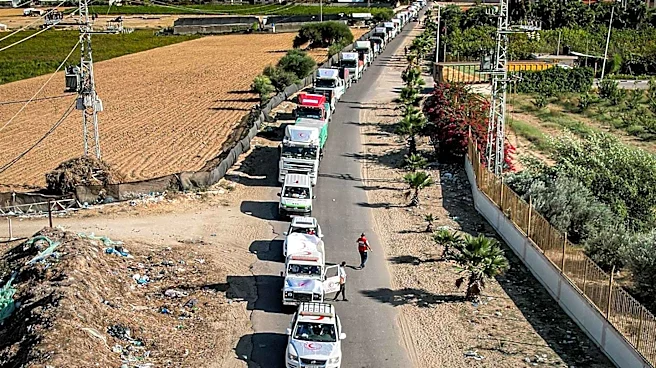
UN Women Regional Director Belen Sanz Luque has called for the meaningful inclusion of women in Gaza peacebuilding efforts. Speaking at the 9th Istanbul Mediation Conference, Sanz Luque drew parallels with her experience in Colombia during negotiations
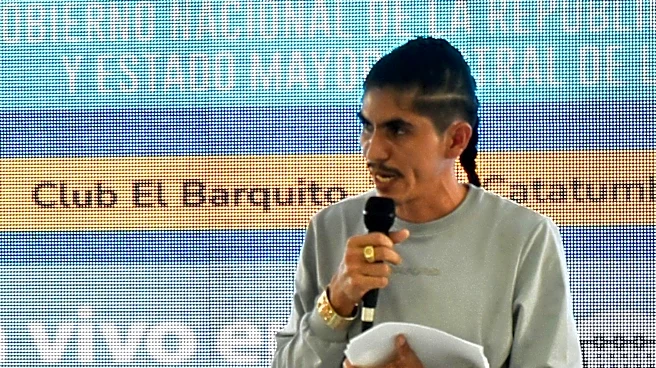
with the Revolutionary Armed Forces of Colombia (FARC). She emphasized that sustainable peace requires more than just an end to hostilities, highlighting the necessity for women affected by conflict to participate in negotiations, influence political decisions, and help implement peace agreements. Sanz Luque noted that despite international commitments under UN Security Council Resolution 1325, which acknowledges women's central role in peace and security, only 5% of peace agreements in 2025 included women as negotiators. She stressed that peace agreements are 35% more likely to be successfully and sustainably implemented when women and civil society are involved.
Why It's Important?
The call for women's inclusion in Gaza peace talks is significant because it addresses a critical gap in traditional peace processes, which often overlook the perspectives and contributions of half the population. The evidence cited by Belen Sanz Luque, indicating a 35% higher success rate for peace agreements with women's participation, underscores the practical benefits of such inclusion. For the U.S. and its allies involved in international diplomacy and conflict resolution, this highlights a potential pathway to more durable peace in volatile regions. Ignoring women's roles can lead to agreements that fail to address the root causes of conflict or the specific needs of affected communities, making them less sustainable. Conversely, empowering women in peacebuilding can foster more inclusive governance, strengthen civil society, and contribute to long-term stability, aligning with broader U.S. foreign policy goals of promoting democracy and human rights.
What's Next?
Moving forward, the challenge will be to translate these calls for inclusion into concrete mechanisms for women's participation in any future Gaza peace negotiations. This would likely involve international bodies, including the UN, and involved nations advocating for and facilitating the presence of women at negotiating tables. Lessons from past peace processes, such as the creation of a Gender Sub-Commission during the Havana peace talks in Colombia, could serve as models. Stakeholders, including political leaders, humanitarian organizations, and civil society groups, will need to actively support and empower women's organizations at the community level in Gaza to ensure their voices are heard and integrated into the peace process. The effectiveness of these efforts will depend on the political will of all parties involved to prioritize inclusive peacebuilding over traditional, male-dominated approaches.
Beyond the Headlines
The emphasis on women's meaningful inclusion in peace processes extends beyond immediate conflict resolution, touching upon deeper ethical and societal implications. It challenges the patriarchal structures often inherent in political and diplomatic spheres, advocating for a more equitable distribution of power and influence. The long-term shift triggered by such inclusion could lead to more representative governance and a greater focus on human security, as women often bring unique perspectives on community needs, social justice, and post-conflict reconstruction. This approach also highlights the importance of grassroots movements and local women's organizations, recognizing their critical role in building trust and shaping decisions from the ground up. Ultimately, integrating women into peacebuilding is not just about gender equality, but about fostering more comprehensive, resilient, and just societies in the aftermath of conflict.