



What's Happening?
Pacific Gas and Electric Company (PG&E) is implementing a new initiative called SHARE (Smart Home Assets for Reliability and Efficiency) to establish a 'virtual power plant' in California. This program aims to integrate approximately 21,000 existing flexible
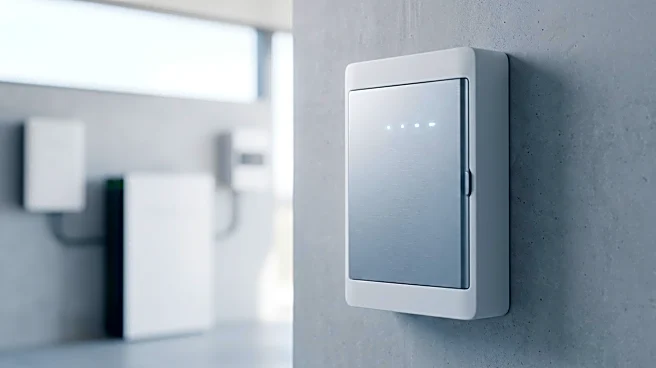
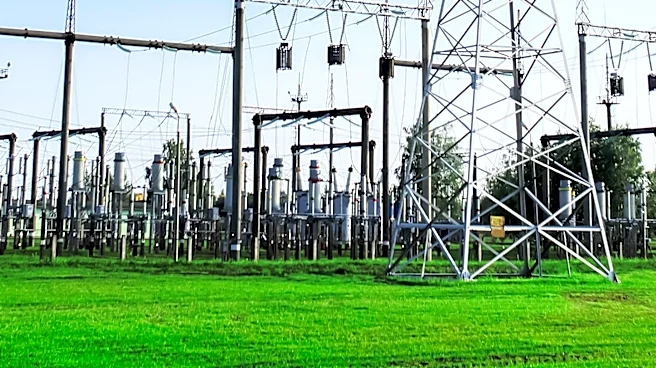
energy devices, such as home batteries, smart thermostats, and heat pumps, to support the electrical grid during periods of peak demand. PG&E is collaborating with several partners, including Rewiring America, Google, Carrier, Tesla, Sunrun, Renew Home, Demand Side Analytics, and encoord, to facilitate this effort. The goal is to alleviate strain on the grid in Bay Area communities, help households manage energy costs, and optimize the use of their home technology. The program is designed to link these smaller devices, allowing them to function collectively as a larger energy resource. This approach enables utilities to reduce grid strain by shifting electricity usage or drawing on stored energy during high-demand hours, rather than solely relying on new large-scale infrastructure. The initiative is particularly relevant as households increasingly adopt electric appliances like air conditioning and electric vehicles, which contribute to growing electricity demand.
Why It's Important?
This initiative is significant for the U.S. energy sector and consumers, particularly in California, as it represents a novel approach to grid management and energy resilience. By leveraging existing household devices, PG&E can enhance grid stability and reduce the need for costly new power generation infrastructure. For consumers, participation in the SHARE program could lead to better management of energy expenses and potential financial rewards for contributing to grid stability. This model also promotes the adoption and effective utilization of smart home technologies, aligning with broader trends in energy efficiency and electrification. The collaboration between a major utility and technology companies signifies a shift towards more decentralized and intelligent energy systems. This could set a precedent for other utilities across the U.S. to explore similar virtual power plant models, fostering innovation in demand-side management and renewable energy integration. The program's success could demonstrate a viable pathway to a more resilient and sustainable energy future, benefiting both the utility and its customers by optimizing energy use and reducing peak load challenges.
What's Next?
PG&E and Rewiring America are expected to begin contacting eligible customers in the fall of 2026 to enroll them in the SHARE program. The enrolled devices are anticipated to start supporting the grid around the same time. The program is scheduled to operate through 2027. During this period, PG&E will likely monitor the effectiveness of the virtual power plant in reducing peak-time grid strain and assess the benefits for participating households. The utility may also evaluate the potential for expanding the program to include more devices or a wider geographical area based on initial results. The success of SHARE could influence future energy policy and investment decisions, potentially encouraging further integration of distributed energy resources and smart home technologies into the national grid infrastructure. Stakeholders, including technology providers and energy policy makers, will likely observe the outcomes of this initiative to understand its scalability and broader applicability in addressing energy demand challenges.
Beyond the Headlines
The SHARE initiative highlights a deeper shift in how energy grids are managed, moving from a centralized model to a more distributed and interactive system. This approach not only addresses immediate grid stability concerns but also empowers consumers to become active participants in energy management. The ethical implications include ensuring equitable access to these programs, particularly for lower-income households, and safeguarding data privacy related to smart home device usage. Legally, the framework for integrating private home devices into public utility operations will need careful consideration, including liability and compensation structures. Culturally, it could foster a greater awareness and responsibility among citizens regarding their energy consumption and its impact on the broader grid. In the long term, this model could accelerate the transition to a cleaner energy economy by making renewable energy sources more viable through enhanced grid flexibility and demand response capabilities. It also underscores the growing convergence of home technology and critical infrastructure, raising questions about cybersecurity and the resilience of interconnected systems.