




What's Happening?
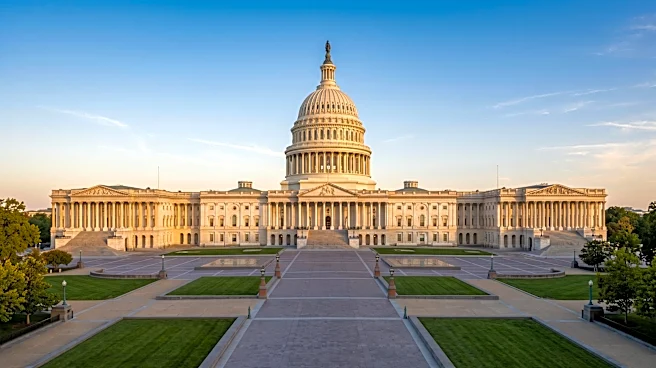
The Senate Agriculture Committee has stalled on advancing the Agricultural Act of 2026, Chairman John Boozman’s Farm Bill proposal, leaving significant work to be done before it can adequately address economic and climate challenges facing agriculture.
The committee began marking up the bill on August 6 but ultimately did not advance it, postponing further negotiations until after the August recess. This comes after the previous Farm Bill expired in September 2023 and has been temporarily extended multiple times. Key concerns include the current proposal being a step backward from former Senate Agriculture Committee Chair Debbie Stabenow's 2024 proposal, particularly regarding provisions for climate resilience and mitigation practices. Additionally, the proposed bill includes cuts of over $1.9 billion to the Environmental Quality Incentives Program (EQIP) and $500 million to the Conservation Stewardship Program (CSP), which are crucial for farmers to adopt conservation practices.
Why It's Important?
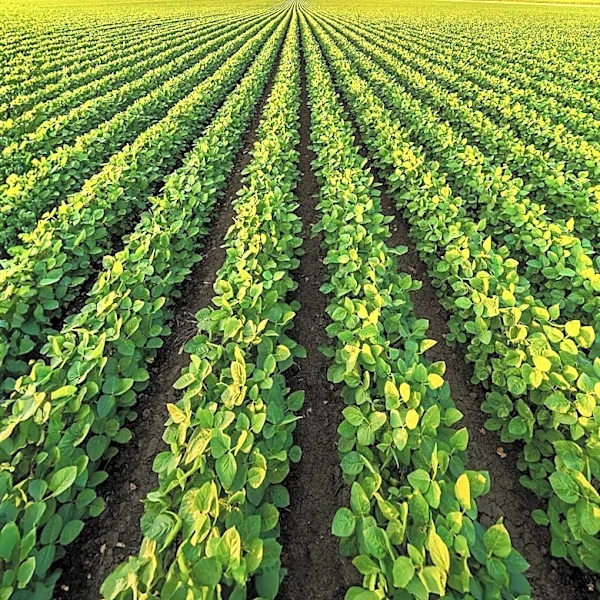
The Farm Bill is a comprehensive piece of legislation reauthorized roughly every five years that shapes nearly every aspect of federal agricultural policy in the U.S. Its delay and the proposed cuts to conservation programs have significant implications for American farmers, food systems, and environmental efforts. Reduced funding for EQIP and CSP means fewer farmers can access financial incentives for practices that improve soil health, conserve water, reduce erosion, and support wildlife habitats, at a time when demand for these programs already far exceeds available resources. This directly impacts the nation's ability to build climate resilience in agriculture and could hinder progress on climate solutions. Furthermore, the unresolved issues, particularly around the Supplemental Nutrition Assistance Program (SNAP) and conservation funding, highlight deep divisions that could affect food security and the economic stability of rural communities.
What's Next?
The Senate Agriculture Committee can resume discussions on the Farm Bill when the Senate reconvenes, but the timeline and path to a bipartisan agreement remain uncertain due to a short legislative calendar. CalCAN and other sustainable agriculture organizations will continue to advocate for a final package that protects and strengthens EQIP and CSP funding, preserves gains made during markup, addresses climate and resilience gaps, and advances initiatives like the Converting Our Waste Sustainably (COWS) Act. The COWS Act, which aims to make incentives for alternative manure management practices more accessible, could be incorporated into the larger Farm Bill. The ongoing negotiations will likely involve intense lobbying from various stakeholders, including agricultural groups, environmental organizations, and food security advocates, as they push for their priorities to be included in the final legislation.
Beyond the Headlines
The struggle to pass a new Farm Bill reflects broader political challenges in addressing complex issues that balance economic interests with environmental and social concerns. The debate over conservation funding and climate resilience in agriculture underscores the tension between traditional farming practices and the urgent need for sustainable solutions in the face of climate change. The proposed cuts to vital conservation programs could exacerbate environmental degradation and increase the vulnerability of agricultural systems to extreme weather events, potentially leading to long-term economic instability for farmers. Moreover, the unresolved issues surrounding SNAP highlight the interconnectedness of agricultural policy with public health and poverty, revealing how legislative gridlock can have far-reaching societal impacts beyond the farming community. The outcome of this Farm Bill will set precedents for how the U.S. approaches food production, environmental stewardship, and social welfare for years to come.