
What's Happening?
The D.C. Council Committee on Transportation and the Environment has unanimously passed the GRID Act, a utility affordability bill aimed at reining in rising energy costs, strengthening oversight of utility spending
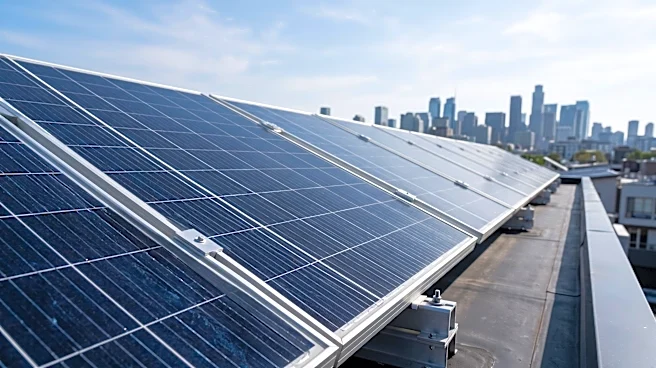
and profits, and expanding local clean energy options. Introduced by Councilmember Charles Allen and co-sponsored by several other councilmembers, this legislation would mark the District's first major utility and Public Service Commission reform in 25 years. D.C. electric bills have surged by 93% in the last five years, disproportionately affecting low-income households, with a quarter of them spending at least 14% of their income on energy. The GRID Act seeks to mitigate these issues by increasing scrutiny of utility spending, mandating regular audits, implementing an 18-month pause on multiyear rate increases, and tightening regulations on utility profits. Reforming utilities' allowed return on equity alone could save ratepayers over $50 million annually, according to Public Service Commission figures. Additionally, the bill would legalize plug-in solar, simplify rooftop solar connections, encourage microgrids and building electrification, and introduce optional rates that incentivize electricity use during off-peak hours.
Why It's Important?
This legislative action is crucial for Washington D.C. residents facing escalating energy costs and a significant energy burden, particularly for low-income families. The GRID Act's provisions to strengthen utility oversight and regulate profits could lead to substantial savings for ratepayers, potentially freeing up millions of dollars annually. Beyond affordability, the bill's focus on expanding local clean energy solutions, such as plug-in solar and microgrids, aligns with broader national efforts to transition to renewable energy sources and combat climate change. By empowering residents to generate their own clean energy and offering flexible rate options, the District aims to reduce its reliance on traditional energy sources and enhance energy independence. This reform could set a precedent for other municipalities grappling with similar challenges, demonstrating a comprehensive approach to utility regulation that prioritizes both consumer protection and environmental sustainability. The unanimous committee approval signals strong political will to address these issues, potentially paving the way for a more equitable and sustainable energy future for D.C.
What's Next?
The GRID Act is scheduled for its first full-Council vote next Tuesday. If passed, it would represent the District's most significant utility reform in a quarter-century. The Chesapeake Climate Action Network (CCAN) Action Fund, through its D.C. Director Claire Mills, has expressed strong support for the bill, emphasizing that it will hold utilities accountable and give residents more control over their energy. The organization views the upcoming full City Council vote as an opportunity to build on the committee's leadership and deliver tangible savings for Washingtonians. The implementation of the act would likely involve the Public Service Commission enforcing new regulations on utility spending, profits, and rate increases, as well as facilitating the expansion of clean energy infrastructure. Utilities would need to adapt to stricter oversight and potentially revised profit margins, while residents could see new opportunities for energy generation and cost savings through solar installations and flexible rate plans.
Beyond the Headlines
The GRID Act's potential impact extends beyond immediate cost savings and clean energy adoption. It addresses a fundamental power imbalance between utility companies and consumers, particularly in an era where the proliferation of AI data centers in the region has been cited as a driver of rising energy costs. By strengthening regulatory oversight and requiring regular audits, the legislation aims to ensure greater transparency and accountability from utility providers. This move could foster a more democratic energy system where residents have a more direct say in their energy sources and costs. Furthermore, the emphasis on local clean energy generation, including microgrids, could enhance the District's energy resilience, making it less vulnerable to grid failures or external energy supply disruptions. The debate surrounding utility profits and consumer protections also highlights broader ethical considerations about essential services and equitable access, potentially influencing future policy discussions on utility regulation nationwide.