







What's Happening?
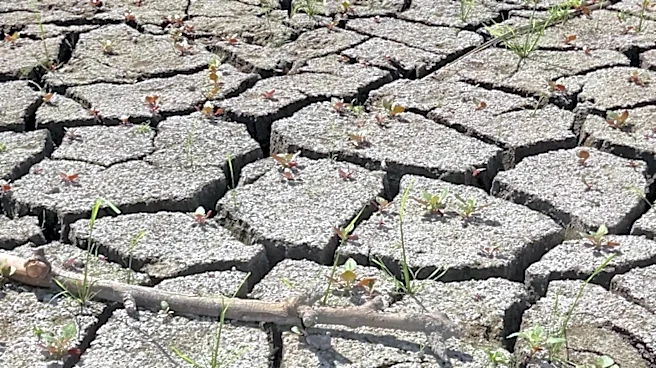
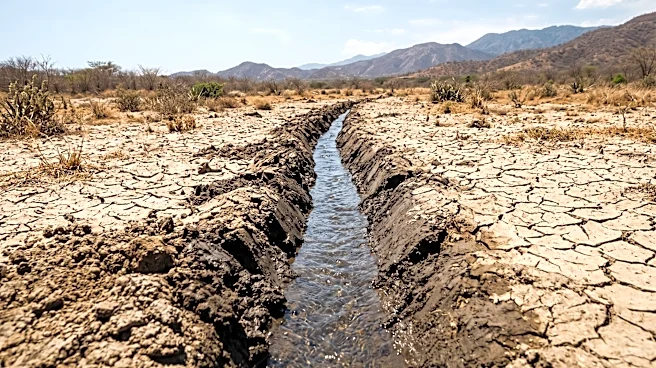
In Central America's Dry Corridor, a region spanning Guatemala, Honduras, El Salvador, and Nicaragua where over seven million people face food insecurity, the World Food Programme (WFP) and its partners are implementing anticipatory action measures to combat
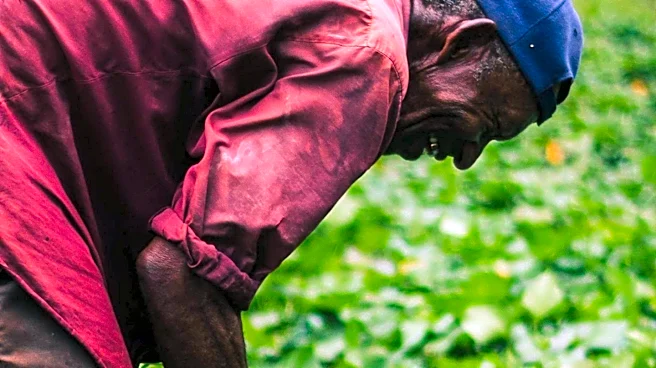
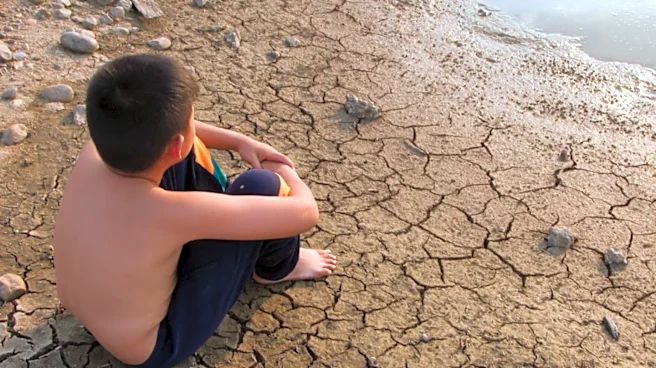
drought. The current El Niño weather pattern is intensifying the risk of below-average rainfall and drought, with the World Meteorological Organization (WMO) stating it could be unprecedented in strength. WFP's initiatives include building water reservoirs, providing irrigation systems, and offering training in diversified agriculture and efficient water use. Anastacio Martínez, a farmer in Palagua, Honduras, volunteered land for a reservoir, transforming his farm to grow various crops and raise fish, ensuring harvests even during dry seasons. In Camotán, Guatemala, Marta Ávalos is a key partner in organizing community responses, including a community grain bank, to prepare for food shortages. These measures have reached over 409,000 people, with an additional 470,000 receiving food and cash assistance as drought conditions worsen.
Why It's Important?
The proactive measures taken by WFP and its partners in Central America's Dry Corridor are crucial for mitigating humanitarian crises in a region highly vulnerable to climate change. For the U.S., stability in Central America directly impacts border security and migration patterns. Food insecurity and climate-induced displacement can lead to increased migration pressures towards the U.S. border. By supporting initiatives that build resilience and ensure food security in these countries, the U.S. can indirectly address root causes of migration. The WMO's warning about an unprecedented El Niño underscores the urgency of these efforts, as widespread drought and food shortages could destabilize the region further. Investing in anticipatory action, as highlighted by Lena Savelli, WFP’s Regional Director, is more cost-effective than post-disaster relief, aligning with U.S. foreign aid objectives to promote long-term development and stability.
What's Next?
As the El Niño event continues to unfold, WFP and its partners will likely intensify their efforts in the Dry Corridor, expanding the reach of their anticipatory action programs and emergency assistance. The success of projects like the water reservoir and community grain banks will serve as models for future interventions. There will be a continued focus on training farmers in sustainable agricultural practices and efficient water management to build long-term resilience. International organizations and donor countries, including the U.S., will likely monitor the situation closely, potentially increasing funding and support for these programs to prevent a larger humanitarian crisis. The lessons learned from this El Niño event will be critical in shaping future climate adaptation strategies in vulnerable regions.
Beyond the Headlines
This situation highlights the critical intersection of climate change, food security, and migration. The stories of individuals like Anastacio Martínez and Marta Ávalos demonstrate the transformative power of community-led initiatives and targeted support in building resilience against environmental shocks. The concept of anticipatory action, moving beyond reactive disaster response, represents a significant shift in humanitarian aid and development philosophy. It underscores the ethical imperative to empower vulnerable communities with the tools and knowledge to adapt to a changing climate. The challenges faced by the Dry Corridor also bring to light the broader issue of climate justice, where communities with minimal contribution to global emissions bear the brunt of climate impacts, necessitating international solidarity and equitable resource distribution.